Stay Connected with Low Carb Glow


Is Cottage Cheese Low Carb? A Brand-by-Brand Breakdown of Carbs and Lactose

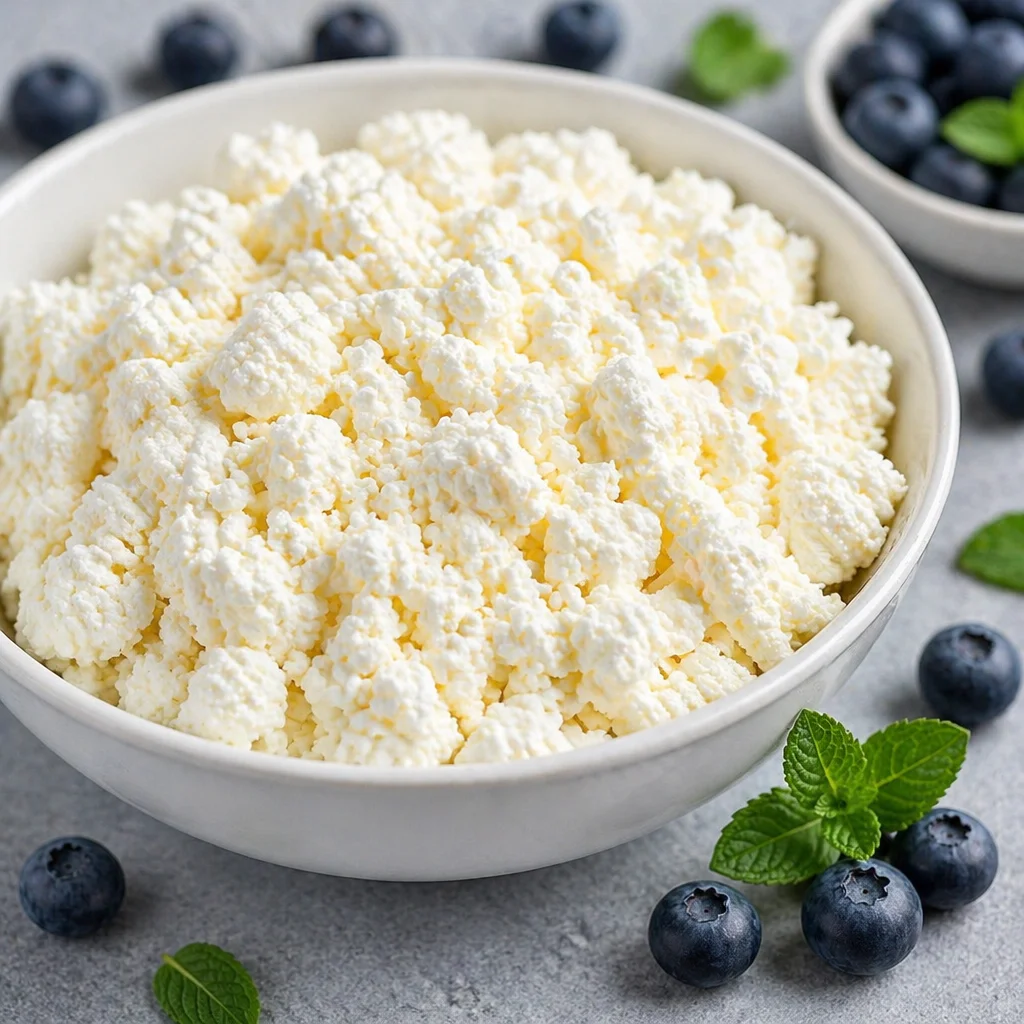
is cottage cheese low carb is one of those questions I end up asking myself right in the dairy aisle, usually while I am also trying to remember if I already have eggs at home. The short answer is yes, cottage cheese can be low carb, but it depends on the brand, the fat level, and how much lactose is left in it. I love it because it feels like a comfort food that can still fit into a low carb day. If you are in a cottage cheese phase like me, you will probably want to bookmark my favorite ideas here: cottage cheese recipes. Let’s break it down in a practical, brand by brand way so you can grab the right tub without squinting at labels for ten minutes.
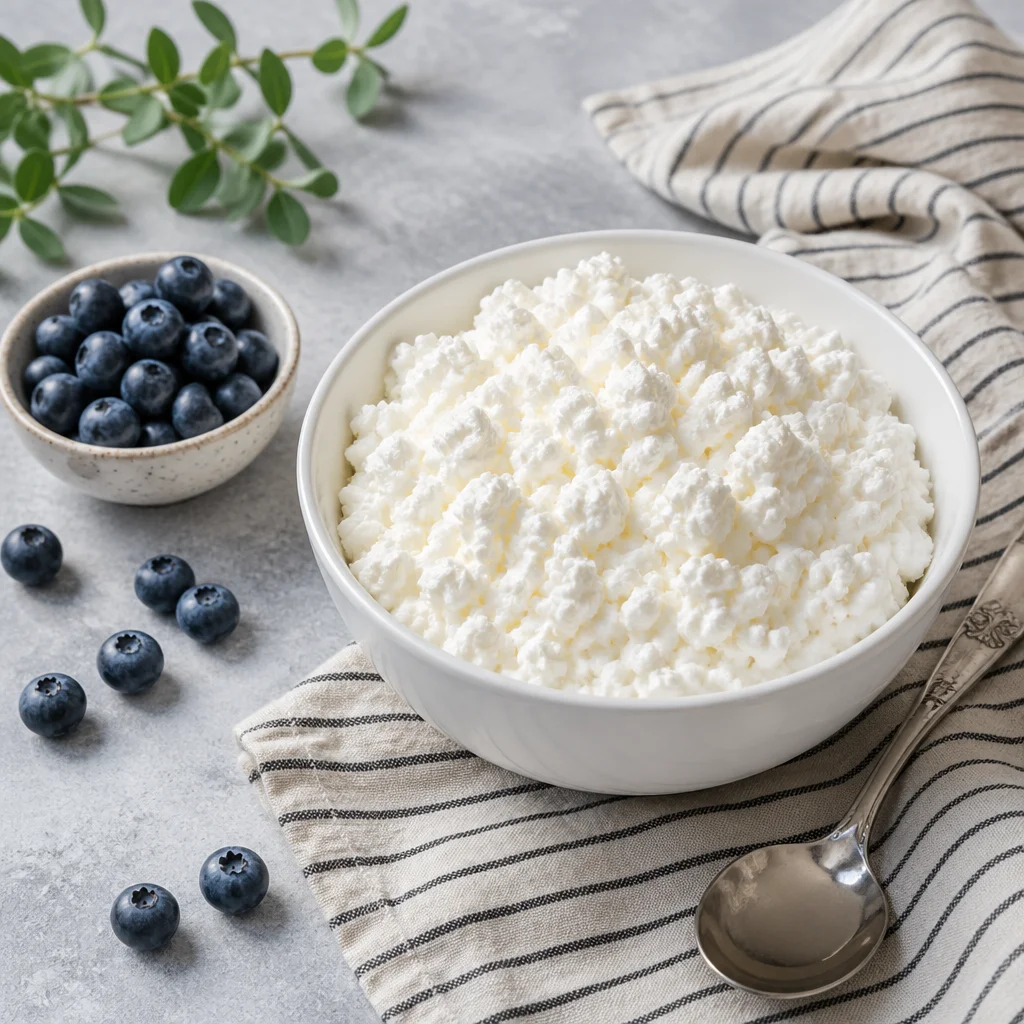
Introduction: The short answer (yes with nuance)
Most plain cottage cheese lands somewhere around 3 to 6 grams of carbs per half cup, which is pretty reasonable for many low carb plans. But here is the nuance: those carbs are mostly lactose, the natural sugar in milk. That means two brands that look almost identical can have noticeably different carb counts. Also, flavored cottage cheese is a sneaky trap because fruit on the label often means added sugar in the cup. My personal rule is simple: pick plain, check the serving size, and then decide if you want full fat or lighter. 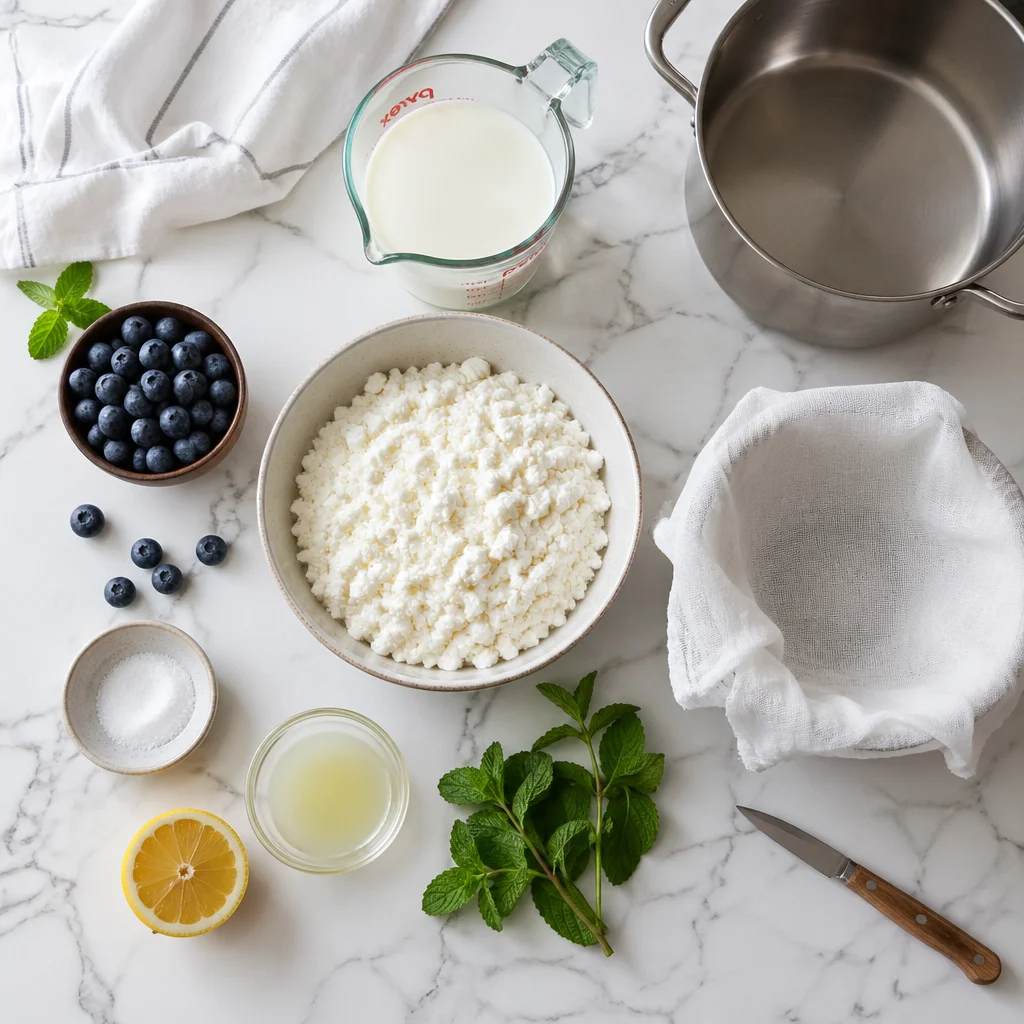
What makes cottage cheese carb content vary (lactose)
Lactose is the big reason cottage cheese carbs bounce around. Cottage cheese is made from curds plus a creamy dressing, and that dressing can include milk, cream, or extra dairy ingredients that still carry lactose. The more “milk-y” the final product, the more lactose tends to hang around.
Quick lactose reality check
Here is what usually nudges the carb number up or down:
- How much whey is drained: More draining often means slightly less lactose left behind.
- What gets added back in: Some brands add more milk or cultured dairy to get that creamy texture.
- Culturing time: More fermentation can reduce lactose a bit, but cottage cheese is not typically as “lactose reduced” as hard cheeses.
- Added gums or starches: Not common, but some tubs use thickeners that can add tiny carbs.
If you are sensitive to lactose, you may notice cottage cheese sits differently than cheddar or parmesan. Hard cheeses usually have less lactose because more of it gets removed during processing and aging.
Side note, if you love crunchy cheese snacks, you would probably be into these low carb cheese crisps because they scratch that salty snack itch with basically no lactose drama. 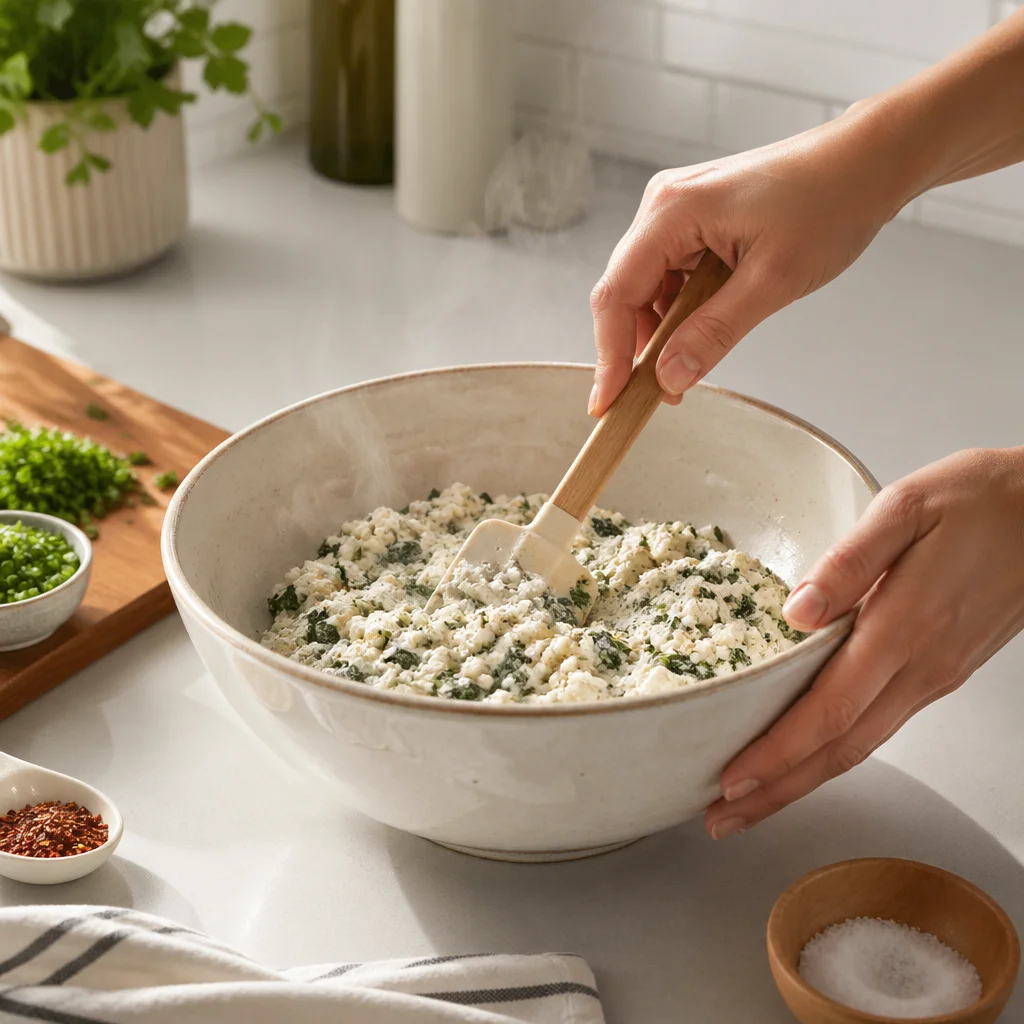
Full-fat vs low-fat vs fat-free: carb comparison table
This is where people get surprised. Fat itself does not add carbs, but the way brands create lower fat cottage cheese can sometimes mean a little more lactose per bite. Not always, but often enough that it is worth checking.
| Type (plain) | Typical serving | Typical total carbs | What it feels like |
|---|---|---|---|
| Full fat (4% milkfat) | 1/2 cup (about 113g) | 3 to 5g | Rich, creamy, more satisfying |
| Low fat (2% or 1%) | 1/2 cup | 4 to 6g | Still creamy but a bit lighter |
| Fat free (0%) | 1/2 cup | 5 to 7g | Tangier, less filling, can feel watery |
My very unscientific but real life take: full fat keeps me fuller, so I end up eating less and feeling happier. If you are counting carbs tightly, that satisfaction factor matters.
Also, cottage cheese is amazing baked into little crispy snacks. If you want a fun weekend project, try low carb cottage cheese crackers. They make the whole “what do I snack on” problem go away.
Top brand-by-brand net carb breakdown (table format)
Labels change, recipes change, and serving sizes can be sneaky, so always double check your exact tub. But this will give you a super practical sense of what you will usually see for plain cottage cheese. Net carbs are basically the same as total carbs here because there is usually little to no fiber.
| Brand (plain) | Fat level example | Serving size | Total carbs | Notes on lactose and taste |
|---|---|---|---|---|
| Daisy | 4% | 1/2 cup | About 4g | Clean ingredient list, classic tangy flavor |
| Good Culture | Whole milk | 1/2 cup | About 3 to 5g | Often feels thicker, mild and fresh |
| Breakstone’s | 2% or 4% | 1/2 cup | About 4 to 6g | Widely available, check fat level for carbs |
| Friendship | Varies | 1/2 cup | About 4 to 6g | Sometimes a saltier bite, label varies by type |
| Organic Valley | 4% | 1/2 cup | About 4 to 5g | Creamy, usually simple ingredients |
| Store brand (generic) | Any | 1/2 cup | About 4 to 7g | Big variation, always check label closely |
If you want the lowest carb option, your best bet is usually a plain full fat tub with a shorter ingredient list. And if the label says “low sugar” or “no sugar added,” do not assume it is low carb until you look at the numbers.
“I swapped to plain full fat cottage cheese and stopped buying the sweet cups. My carbs stayed steady and I actually felt full after lunch.”
One more real life tip: when I am meal prepping, I keep cottage cheese simple and build flavor around it. A little salt, pepper, cucumber, and everything bagel seasoning makes it feel like a legit meal, not diet food.
Large curd vs small curd difference
People ask about this a lot because it feels like it should matter. Most of the time, large curd vs small curd is more about texture than carbs. The carb number is still driven by the dairy base and how much lactose is in the dressing.
That said, I have noticed some large curd tubs feel creamier, and creamier sometimes means a different ratio of milk and cream. So if you are being super strict, just compare labels between the two options and pick the one with fewer carbs per serving. Texture wise, I prefer large curd for eating plain and small curd for mixing into recipes.
How much you can eat and stay in ketosis
This depends on your personal carb limit, but here is a practical way to think about it. If you are aiming for 20 to 30 grams of net carbs a day, a half cup serving that has 4 grams of carbs can fit easily. The trouble starts when you eat it straight out of the tub while scrolling your phone and suddenly half the container is gone. I have been there.
My easy portion strategy
I do one of these so I do not accidentally overdo it:
- Measure 1/2 cup into a bowl and put the tub away first.
- Add fat and crunch so it feels satisfying: olive oil drizzle, chopped walnuts, or sliced avocado.
- Keep fruit out of it when you are trying to stay keto, or use a few raspberries max.
- Pair it with something protein heavy if it is a meal, like leftover chicken or tuna.
If you want a super low carb dinner that pairs well with a cottage cheese side, I love making these air fryer crispy low carb chicken wings. It feels like game day food, but it stays on plan.
Best brands for baking vs eating plain
Not all cottage cheese behaves the same once it is heated. Some brands melt smoother, some get a little grainier, and some release more liquid. For eating plain, I look for the creamiest texture and a flavor that is not too sour.
For baking, I want something that blends well. If you are tossing it into egg bakes, casseroles, or a blended sauce, a smoother curd helps. You can always blend it in a mini blender to make it silky, which is my favorite little trick when I want it to feel like a “real” sauce.
Here is my quick cheat sheet:
- Eating plain: choose the brand you genuinely like by taste, usually full fat, minimal ingredients.
- Baking: choose a tub that blends smooth and is not watery, and consider small curd or blended.
- Meal prep: buy the one you can find consistently, because consistency is what makes habits stick.
If you are doing work lunches and need something that does not feel sad by Wednesday, this deconstructed low carb cheeseburger lunch is weirdly satisfying, and cottage cheese on the side totally works with it.
FAQ: How many carbs are in cottage cheese? Is cottage cheese better than Greek yogurt for keto?
Common questions I hear all the time
How many carbs are in cottage cheese?
Most plain cottage cheese has about 3 to 7 grams of carbs per 1/2 cup, depending on brand and fat level. Always check your label because serving sizes can vary.
Is cottage cheese low carb if it is fat free?
Sometimes it still fits, but fat free often has slightly more carbs and it is less filling. If you love the taste, it can work, but I personally do better with full fat portions.
Does lactose free cottage cheese exist?
In some stores, yes. If you find it, it can be helpful for sensitive stomachs. Just still read the nutrition panel because “lactose free” does not automatically mean “zero carb.”
Is cottage cheese better than Greek yogurt for keto?
It depends on the yogurt. Plain unsweetened Greek yogurt can be fairly low carb, but it often lands similar to cottage cheese or slightly higher per serving. Cottage cheese usually feels more savory and easier to use in meals, while Greek yogurt is great for sauces and tangy bowls. If you are strict keto, compare labels and pick what fits your day.
What should I avoid if I am trying to stay keto?
Flavored cups, fruit on the bottom, and honey vanilla anything. Those are delicious, but the carbs add up fast.
My take after years of buying way too much cottage cheese
So, is cottage cheese low carb enough for your routine? Usually yes, if you stick with plain and watch your portion. The main carb source is lactose, so brands and fat levels matter more than people think, and the label is your best friend. If you want a deeper health focused read, I like this breakdown from Is Cottage Cheese Keto Friendly? Explore Its Role in Keto | Factor, and this helpful guide on choosing cheeses from 5 Cheeses You Can Eat on the Keto Diet and 5 You Can’t. And if you are still building your keto grocery rhythm, this list from 20 Foods to Eat on the Keto Diet – Healthline is a solid bookmark.
Next time you are standing in front of the dairy wall wondering again, just remember: plain, full fat if you like it, and measure your serving once in a while. And seriously, try baking with it at least once this week because it is such an easy way to make comfort food feel smarter. Also yes, is cottage cheese low carb is still a fair question, and now you have the quick label tricks to answer it in seconds.