
Stay Connected with Low Carb Glow

Low-Carb Gut Health Guide: Heal Your Gut With Real Food

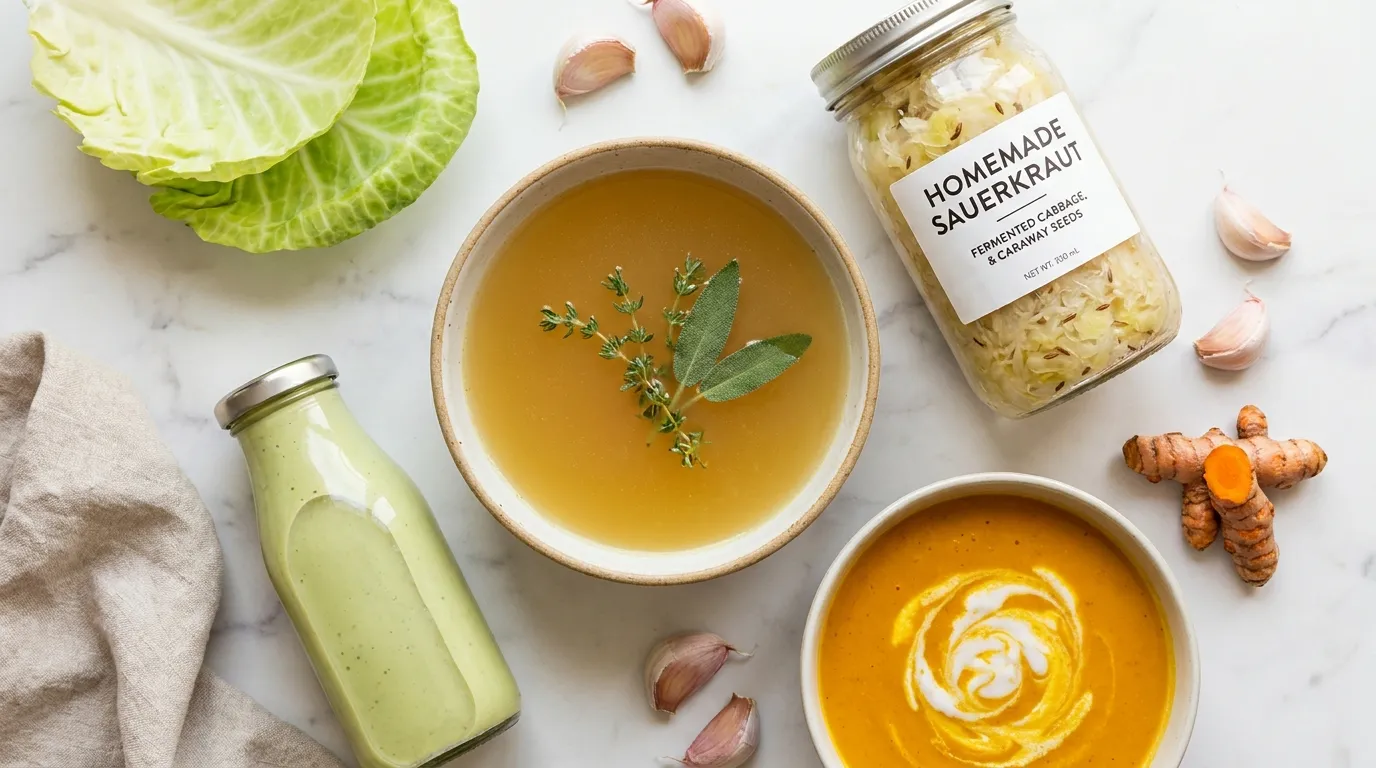
What you’ll learn in this guide
- Why low-carb eating is one of the most powerful tools for gut healing
- The connection between blood sugar, inflammation, and gut health
- Which foods to prioritise and which to reduce for microbiome repair
- How fermented foods fit into a low-carb gut health protocol
- 6 tested gut-friendly low-carb recipes with the science behind each one
This guide covers everything I’ve learned about low-carb gut health as a Functional Nutritionist the science behind why low-carb eating heals the gut, the specific foods that make the biggest difference, and a practical protocol you can start this week. If you’ve been struggling with bloating, energy crashes, or digestive discomfort, understanding the connection between carbohydrates and gut health may be the missing piece.
When I was in my late twenties, I had what I now recognise as a textbook case of gut dysfunction. Bloating after almost every meal. Energy that crashed unpredictably. Skin that never quite cleared up no matter what I tried. Brain fog that made afternoon work feel like wading through mud.
I spent two years getting told everything was normal. Tests came back fine. Doctors were kind but unhelpful. I was eating what I thought was a healthy diet whole grains, lean protein, plenty of fruit and feeling worse than I ever had in my life.
The shift came when I started learning about the gut microbiome and how profoundly food choices specifically carbohydrate choices affect its composition. Not through a fad diet. Through the research. Through my Master’s degree in Integrative Nutrition. Through eventually understanding that the gut isn’t just a digestive organ. It’s the foundation of immune function, mood regulation, skin health, and metabolic performance.
Low-carb eating didn’t fix everything overnight. But it gave my gut the environment it needed to start healing. And over eight years of working with clients, I’ve watched it do the same for hundreds of other people who felt dismissed, confused, and exhausted by their own bodies.
This is what I know about low-carb eating and gut health the science, the practical strategies, and the specific foods that make the biggest difference.
Do You Have a Gut Health Problem? A Self-Assessment
Gut dysfunction exists on a spectrum from mild occasional discomfort to significant daily impairment. Before starting a gut healing protocol, it helps to honestly assess where you are. The symptoms below are commonly associated with gut microbiome imbalance and intestinal permeability. They’re not diagnostic gut health assessment requires proper clinical testing but they’re a useful starting point for understanding whether your gut is likely contributing to how you feel.
Check any that apply to you regularly (more than twice per week):
Digestive symptoms:
- Bloating after meals particularly after carbohydrate-heavy foods
- Excessive gas or flatulence
- Alternating constipation and loose stools
- Abdominal discomfort or cramping not explained by a diagnosed condition
- Feeling uncomfortably full long after eating
- Undigested food visible in stools
Systemic symptoms (often gut-related but less obviously so):
- Persistent fatigue not explained by sleep deprivation
- Brain fog difficulty concentrating, word-finding problems, mental sluggishness
- Skin issues acne, eczema, rosacea, or unexplained rashes
- Frequent colds or infections more than 3–4 per year
- Joint pain or stiffness without a diagnosed cause
- Mood instability, anxiety, or low mood not fully explained by life circumstances
- Food sensitivities that seem to be multiplying over time
0–2 symptoms: Your gut is likely functioning reasonably well. The recipes and strategies in this guide will support and maintain what’s already working.
3–5 symptoms: There’s meaningful gut dysfunction present. A consistent 4–6 week dietary intervention focused on the strategies in this guide is likely to produce noticeable improvement.
6+ symptoms: Significant gut dysfunction that dietary changes alone may not fully resolve. The protocol here is a strong starting point, but working with a functional medicine practitioner for proper testing comprehensive stool analysis, SIBO breath test is worth considering alongside these changes.
The Gut-Blood Sugar Connection Most People Miss
Most gut health conversations focus on probiotics and fibre. Those matter but they’re downstream of a more fundamental issue that almost nobody talks about: blood sugar dysregulation and its direct impact on gut health.
Here’s what happens when you eat a high-carbohydrate meal. Blood glucose rises rapidly. Insulin spikes to clear it. If this happens repeatedly multiple times a day, every day the constant insulin signalling creates a systemic inflammatory environment. And inflammation doesn’t stay localised. It affects the gut lining, disrupting the tight junction proteins that keep the gut barrier intact.
A compromised gut barrier often called intestinal permeability or “leaky gut” allows partially digested food particles, bacterial toxins, and other compounds to pass into the bloodstream. The immune system responds to these as threats, triggering a cycle of inflammation that shows up as bloating, food sensitivities, skin problems, fatigue, and mood disturbances.
Reducing carbohydrate intake breaks this cycle at the source. Lower carb intake means lower, more stable blood glucose. Stable blood glucose means less chronic insulin signalling. Less chronic insulin signalling means less systemic inflammation. Less inflammation means the gut lining has the conditions it needs to repair itself.
According to the National Institute of Diabetes and Digestive and Kidney Diseases, the digestive system is one of the most complex systems in the body and its function is intimately linked to what we eat at every meal. This isn’t alternative medicine. It’s basic physiology.
How Low-Carb Eating Changes Your Microbiome
Your gut microbiome the community of trillions of bacteria, fungi, and other microorganisms living in your digestive tract is shaped more rapidly by diet than almost any other factor. Studies have shown meaningful microbiome shifts within 24–48 hours of changing eating patterns. And research published in Cell Host & Microbe found that dietary interventions, including low-carbohydrate approaches, produce significant changes in microbiome composition that affect metabolic outcomes.
What specifically changes on a low-carb diet? Several important things:
Reduction in harmful bacterial overgrowth. Certain bacteria including some strains associated with gas, bloating, and digestive discomfort thrive on fermentable carbohydrates and sugars. Reducing these substrates starves the opportunistic strains without harming the beneficial ones, which can obtain energy from other sources including dietary fat and protein.
Reduction in intestinal inflammation markers. Lower carbohydrate intake reduces the production of lipopolysaccharides inflammatory compounds produced by certain gut bacteria which are associated with the “leaky gut” cascade described above.
Changes in short-chain fatty acid production. This is more nuanced. Some short-chain fatty acids particularly butyrate are produced when gut bacteria ferment fibre. Low-carb eating reduces certain fermentable fibres, which is why the specific fibre sources you choose matter significantly on a low-carb eating pattern. The goal isn’t to eliminate fibre it’s to prioritise low-carb, high-fibre vegetables that feed beneficial bacteria without spiking blood glucose.
The Gut-Healing Food Hierarchy on Low-Carb
Not all low-carb foods are equally beneficial for gut health. Here’s how I prioritise food choices with clients who are working on gut healing alongside low-carb eating.
Tier 1: Eat Daily These Are Your Foundation
Fermented vegetables sauerkraut, kimchi, fermented pickles. These are living probiotic foods that introduce beneficial bacterial strains directly into your gut ecosystem. Even a tablespoon of sauerkraut alongside a meal provides meaningful probiotic benefit. Unlike probiotic supplements, fermented foods contain multiple strains in a food matrix that supports their survival through the digestive tract.
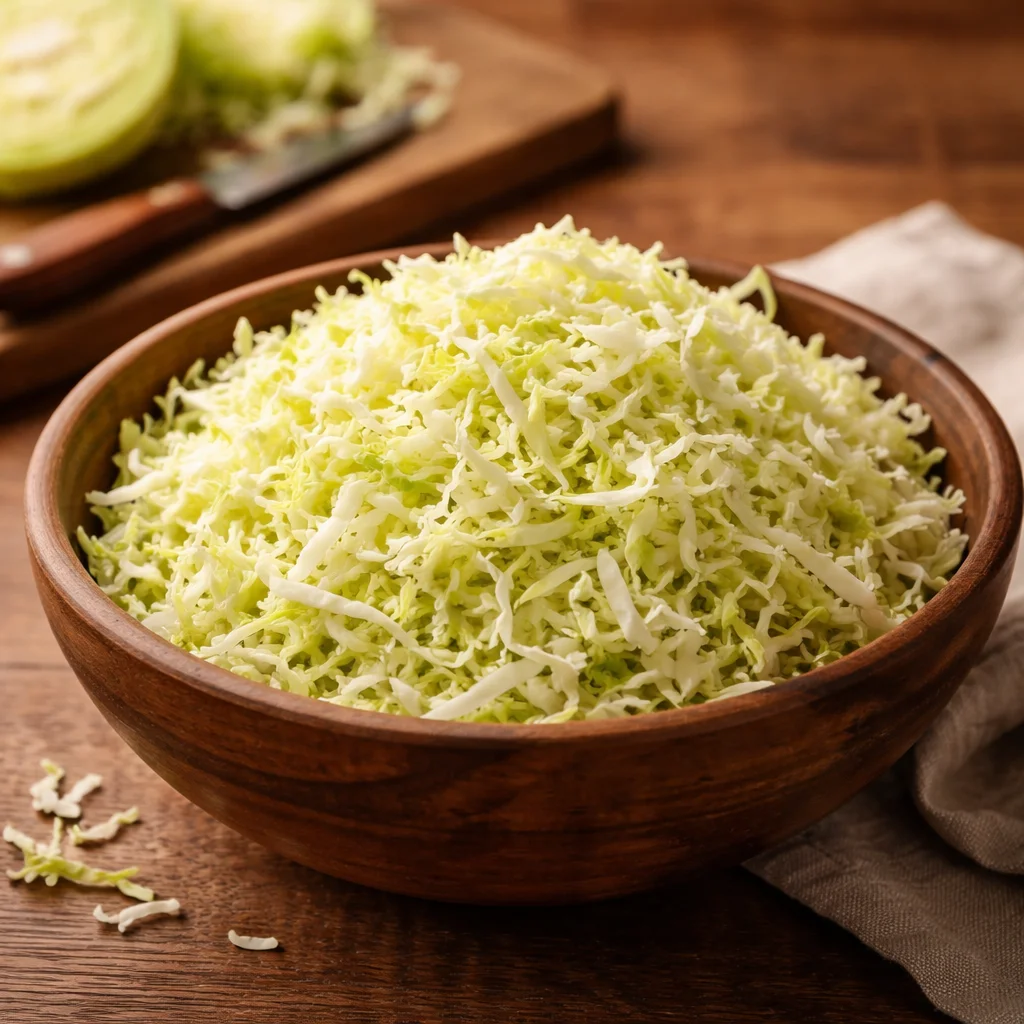
Low-carb fibrous vegetables cabbage, broccoli, cauliflower, asparagus, leeks, garlic, onion. These are prebiotic they feed and sustain your beneficial gut bacteria. Cabbage deserves special mention: it’s one of the few foods that contains glutamine in significant quantities, the amino acid most directly involved in maintaining gut lining integrity. We cover cabbage in depth in the Cabbage Crush guide.
Bone broth homemade or high-quality commercial. Bone broth contains collagen, gelatin, and glutamine all of which directly support the gut lining. It’s one of the most bioavailable sources of gut-supportive nutrients available and has been used therapeutically in clinical nutrition for decades.
Healthy fats olive oil, avocado, coconut oil, fatty fish. Anti-inflammatory fats reduce the systemic inflammatory load that impairs gut healing. Omega-3 fatty acids from fatty fish (salmon, sardines, mackerel) are particularly well-researched for their anti-inflammatory effects on the gut.
Tier 2: Eat Regularly Strong Supporting Role
Anti-inflammatory spices turmeric, ginger, garlic. Peer-reviewed research on curcumin’s anti-inflammatory properties shows significant effects on inflammatory markers relevant to gut health. Ginger has well-documented effects on digestive motility helpful for anyone experiencing slow digestion or nausea.
Collagen-rich foods bone-in cuts of meat, slow-cooked connective tissue, collagen peptide powder added to smoothies or soups. Collagen provides the raw material your body uses to repair and maintain the gut lining structure.
Eggs a complete protein source containing all amino acids needed for tissue repair, including gut lining repair. The yolk contains phosphatidylcholine, which supports gut barrier function. Eggs are one of the most gut-supportive foods available and are genuinely underrated in gut health discussions.
Tier 3: Limit or Eliminate During Gut Healing
Processed low-carb products many protein bars, keto snacks, and low-carb breads contain sugar alcohols (sorbitol, maltitol) that cause significant digestive distress in sensitive individuals. Erythritol and allulose are better tolerated. Read labels during an active gut healing protocol.
Seed oils vegetable oil, canola oil, sunflower oil. High in omega-6 fatty acids that promote inflammatory pathways when consumed in excess. Replace with olive oil, avocado oil, butter, or coconut oil.
Alcohol directly disrupts tight junction proteins in the gut lining and alters microbiome composition. During an active gut healing phase, reducing or eliminating alcohol accelerates recovery significantly.
Artificial sweeteners some research suggests certain artificial sweeteners (saccharin, sucralose) may negatively affect microbiome composition. Stick to stevia, monk fruit, and erythritol during gut healing.
The 6 Gut-Friendly Low-Carb Recipes
Every recipe in this collection was developed with gut health as the primary design principle not just low carbs, but specifically the nutrients, compounds, and food matrix that support microbiome diversity and gut lining repair.

Soups and Broths The Gut Lining Foundation
Liquid-based preparations are particularly effective for gut healing because the nutrients are already partially broken down and more readily absorbed. For anyone with significant gut dysfunction, soups and broths are often the most tolerable and therapeutic starting point.
Gut-Healing Bone Broth (Low-Carb)
The cornerstone of any serious gut healing protocol. Slow-simmered bones release collagen, gelatin, glucosamine, and glutamine into the broth a concentrated delivery system for gut lining repair nutrients. This recipe covers the exact simmer time, bone types, and acid addition (apple cider vinegar) that maximises nutrient extraction. Drink it plain as a daily ritual or use it as the base for any soup or stew. The therapeutic dose that shows up most consistently in clinical nutrition literature is one to two cups daily during active gut healing. By Chloe Peterson.
Anti-Inflammatory Turmeric Soup
Built around curcumin the active compound in turmeric responsible for its anti-inflammatory effects alongside ginger, garlic, and a bone broth base. The black pepper in this recipe isn’t incidental: piperine in black pepper increases curcumin bioavailability by up to 2,000%. This soup delivers anti-inflammatory compounds in a form that your body can actually absorb and use. Ideal as a midweek reset or when you’re feeling the early signs of inflammation puffiness, joint stiffness, skin breakouts. By Jordan Blake.
Healing Garlicky Cabbage Soup
Garlic is one of the most well-researched prebiotic foods available its fructooligosaccharides selectively feed Bifidobacterium and Lactobacillus, the bacterial strains most associated with digestive health and immune function. This soup uses a generous quantity of garlic (don’t be alarmed), slow-cooked until sweet and mellow, combined with cabbage for additional prebiotic fibre and glutamine. It’s deeply savoury, genuinely comforting, and one of the most gut-supportive single meals you can make. By Jordan Blake.

Fermented Foods Your Probiotic Foundation
No gut health protocol is complete without fermented foods. Probiotic supplements have their place but they deliver a limited number of strains in capsule form. Fermented foods deliver hundreds of strains in a complex food matrix that supports their survival and colonisation far more effectively.
Homemade Fermented Sauerkraut
The most accessible fermented food to make at home just cabbage and salt, fermented at room temperature for 5–7 days. The result is tangy, crunchy, and alive with Lactobacillus strains that survive stomach acid and reach the colon where they’re needed. This recipe covers the exact salt ratio, the fermentation vessel setup, and how to tell when it’s done versus when something has gone wrong. Making your own is significantly more cost-effective than buying high-quality commercial sauerkraut, and the probiotic count in fresh homemade sauerkraut is substantially higher. Start with a tablespoon alongside meals and build up gradually introducing large amounts of fermented food too quickly can cause temporary digestive discomfort as your microbiome adjusts. By Elena Martinez.
Salads and Smoothies Nutrient Density Without Digestive Strain
During active gut healing, heavily cooked or processed foods can be harder to digest. Raw and lightly processed preparations give your digestive system a break while delivering maximum nutrient density.
Gut-Friendly Mediterranean Salad
The Mediterranean dietary pattern is consistently associated with favourable microbiome outcomes in the research largely because of its emphasis on olive oil, diverse vegetables, legumes, and fermented dairy. This low-carb version keeps the olive oil, the diverse vegetable base, and the fermented element (feta cheese) while removing the high-carb components. Rich in polyphenols from the olives, olive oil, and mixed vegetables polyphenols are increasingly recognised as among the most important food compounds for microbiome diversity. By Chloe Peterson.
Gut-Healing Green Collagen Smoothie
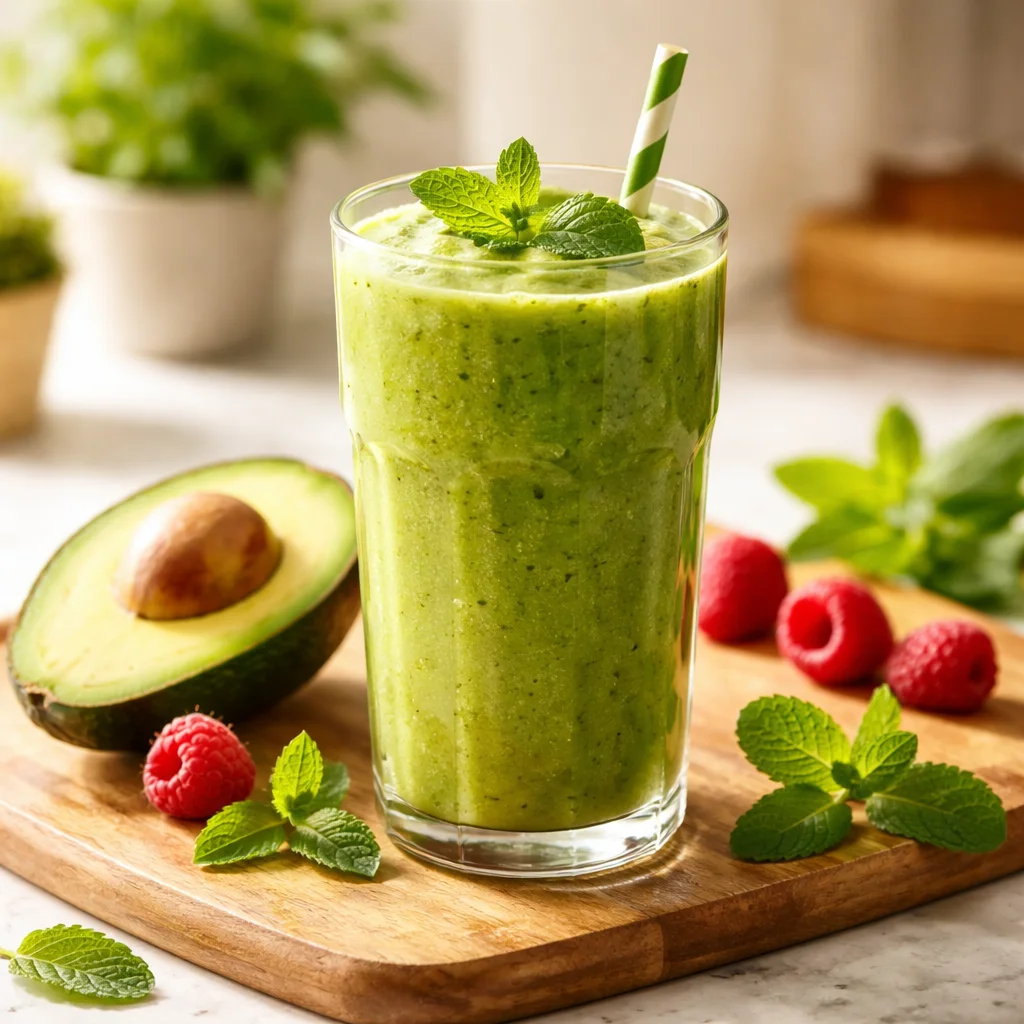
The most nutrient-dense item in this collection collagen peptides for gut lining repair, spinach for prebiotic fibre and magnesium, avocado for anti-inflammatory fats and potassium, ginger for digestive motility support, and coconut milk for medium-chain triglycerides that are easily absorbed even by a compromised gut. Designed specifically for mornings when your digestive system needs support rather than stimulation. Low in net carbs, high in the specific nutrients that gut repair requires. By Maya Reynolds.
A Simple 4-Week Low-Carb Gut Healing Protocol
Gut healing doesn’t happen in a single meal or a single week. But meaningful improvement in symptoms reduced bloating, more stable energy, clearer skin is typically noticeable within 3–4 weeks of consistent dietary changes. Here’s a simple protocol built around the recipes above.
Week 1 Remove and Replace
The first priority is removing the inputs that are actively disrupting gut health: refined carbohydrates, seed oils, processed foods, and excess sugar. Don’t try to add gut-healing foods while still eating the foods that caused the problem. This week: transition to whole-food low-carb eating. Cook from real ingredients. Use olive oil or butter instead of vegetable oils. If this feels overwhelming, start with just breakfast and lunch and keep dinner simple.
Week 2 Introduce Bone Broth Daily
Add one cup of bone broth daily either drunk plain or used as the base of a soup. Make the gut-healing bone broth recipe in a large batch at the start of the week and portion it into jars. This is your gut lining repair foundation. Most clients report reduced bloating within the first two weeks of daily bone broth the glutamine and gelatin begin supporting tight junction repair relatively quickly.
Week 3 Add Fermented Foods
Start making or buying sauerkraut. Begin with one tablespoon alongside one meal per day and build to two to three tablespoons across two meals by the end of the week. If you experience increased bloating initially, this is normal your microbiome is adjusting to the influx of new bacterial strains. Reduce the amount, don’t stop entirely, and build more gradually.
Week 4 Add Anti-Inflammatory Foods and Assess
Add the turmeric soup and the Mediterranean salad into your weekly rotation. Start using turmeric and black pepper in your cooking daily. By the end of week four, assess your symptoms compared to week one: bloating frequency and severity, energy stability, skin clarity, bowel regularity. For most people, the improvement is noticeable enough to be motivating which makes continuing much easier.
Low-Carb vs Other Gut Health Diets How They Compare
If you’ve researched gut health, you’ve likely encountered several competing dietary approaches. Here’s how low-carb eating compares to the most commonly recommended gut health diets and why the combination of low-carb principles with gut-supportive foods is particularly effective.
| Diet | Gut health mechanism | Strength | Limitation |
|---|---|---|---|
| Low-carb / keto | Reduces blood sugar spikes, lowers systemic inflammation, reduces fermentable substrate for dysbiotic bacteria | Addresses root cause of gut-disrupting inflammation | Requires intentional fibre inclusion to maintain microbiome diversity |
| GAPS Diet | Eliminates complex carbohydrates that feed dysbiotic bacteria; emphasises bone broth and fermented foods | Very effective for severe gut dysfunction; overlaps significantly with low-carb principles | Highly restrictive; difficult to sustain long-term; limited research base |
| Low-FODMAP | Removes fermentable carbohydrates that cause gas and bloating in IBS | Strong evidence base for IBS symptom relief | Elimination phase is short-term only; doesn’t address root cause inflammation; many high-FODMAP foods are prebiotic |
| Mediterranean | High polyphenol intake; diverse plant foods; fermented dairy; olive oil as primary fat | Best-researched diet for long-term microbiome diversity | Higher carbohydrate load may maintain blood sugar disruption in sensitive individuals |
| Carnivore | Complete elimination of plant antigens; may reduce inflammation in autoimmune gut conditions | Can provide significant symptom relief in severe cases | Eliminates all prebiotic fibre; long-term microbiome diversity effects unclear; not recommended as a permanent approach |
The most effective approach for most people isn’t one of these diets in isolation it’s a low-carb eating pattern that intentionally incorporates the best elements of Mediterranean eating: diverse fibrous vegetables, olive oil, fermented foods, and polyphenol-rich herbs and spices. That’s exactly what the recipe collection in this guide represents.
Gut Health Troubleshooting When Things Don’t Improve
Still bloating after 4 weeks of low-carb eating?
Check whether you’re relying heavily on processed low-carb foods containing sugar alcohols these are a common hidden cause of persistent bloating even on a low-carb diet. Also consider whether you have a histamine sensitivity: fermented foods, bone broth, and aged cheeses are high in histamine and can cause bloating in people with histamine intolerance despite being otherwise gut-supportive foods.
Constipation on low-carb?
A common adjustment issue in the first few weeks. The primary causes are insufficient fibre from vegetables and insufficient hydration. Increase your intake of fibrous low-carb vegetables broccoli, cauliflower, cabbage, spinach and drink more water. Magnesium glycinate supplementation (200–400mg at night) is often effective for low-carb-related constipation and has additional benefits for sleep and muscle recovery.
Worsening symptoms after adding fermented foods?
Reduce the quantity and build more slowly. Some people particularly those with significant gut dysbiosis or SIBO (small intestinal bacterial overgrowth) react poorly to fermented foods initially. If symptoms are severe or persistent beyond two weeks, this is worth discussing with a functional medicine practitioner who can test for SIBO specifically.
No improvement after 4 weeks?
Dietary changes alone aren’t always sufficient when gut damage is significant or when there’s an underlying condition driving the symptoms. At this point, working with a registered dietitian or functional medicine practitioner who can order appropriate testing comprehensive stool analysis, SIBO breath test, food sensitivity testing is the appropriate next step. Nutrition is powerful, but it has limits, and recognising those limits matters.
Supplements Worth Considering for Low-Carb Gut Healing
Food first always. The recipes and dietary strategies in this guide will do more for your gut health than any supplement stack. But certain supplements fill genuine gaps that are difficult to address through food alone, particularly during an active gut healing phase. These are the ones with the strongest evidence and the most consistent clinical results in my experience.
L-Glutamine (5–10g daily)
The most direct gut-lining support supplement available. Glutamine is the primary fuel source for enterocytes the cells lining your gut and supplemental doses have been shown to support tight junction repair in clinical settings. Available as an unflavoured powder that dissolves in water or can be added to smoothies. Take on an empty stomach in the morning for best absorption. This is the supplement I recommend most consistently for anyone with significant gut permeability symptoms.
Magnesium Glycinate (200–400mg before bed)
Magnesium deficiency is extremely common particularly among people eating low-carb, since many high-magnesium foods are also high in carbohydrates. Magnesium supports over 300 enzymatic processes including those involved in gut motility. The glycinate form is highly bioavailable and has the best tolerability profile of any magnesium form. Particularly effective for low-carb-related constipation and has additional benefits for sleep quality and stress response.
Zinc Carnosine (37.5mg twice daily with meals)
A compound specifically studied for gut lining repair the combination of zinc and carnosine has shown synergistic effects on protecting and restoring the gastric and intestinal mucosa in clinical research. Less well-known than glutamine but increasingly used in functional medicine practice for gut healing protocols. Take with food to avoid nausea.
A note on probiotic supplements: If you’re eating fermented foods regularly, a broad-spectrum probiotic supplement is not necessary. If fermented foods genuinely aren’t accessible or tolerable for you, a multi-strain probiotic containing Lactobacillus and Bifidobacterium species is a reasonable alternative. Look for products with at least 10 billion CFU and third-party testing verification.
Always discuss supplementation with a qualified healthcare provider before starting, particularly if you’re on medication or managing a diagnosed condition.
Frequently Asked Questions About Low-Carb Gut Health
Does low-carb eating damage the gut microbiome?
How long does it take to heal a leaky gut on low-carb? Can I eat probiotic supplements instead of fermented foods? Is bone broth actually good for gut health or is it overhyped? What’s the difference between probiotics and prebiotics? Can stress affect my gut health even if my diet is perfect? Is it normal to feel worse before feeling better when changing my diet for gut health?
Does low-carb eating damage the gut microbiome?
This concern comes up frequently, and it’s worth addressing directly. The short answer is: it depends entirely on what you’re eating instead of carbohydrates. A low-carb diet rich in fibrous vegetables, fermented foods, and diverse plant foods supports a healthy microbiome. A low-carb diet built primarily around processed meats, cheese, and protein powders with minimal vegetables is a different matter. The key is maintaining vegetable diversity and including prebiotic fibre sources the gut doesn’t need carbohydrates specifically, it needs fibre and diverse plant compounds, both of which are abundantly available in a well-designed low-carb eating pattern.
How long does it take to heal a leaky gut on low-carb?
Meaningful symptom improvement typically occurs within 3–6 weeks of consistent dietary changes. Full structural repair of the gut lining tight junction restoration takes longer, often 3–6 months of consistent gut-supportive eating. The timeline varies significantly based on the severity of gut damage, presence of underlying conditions, stress levels, sleep quality, and medication use. Patience and consistency matter more than perfection.
Can I eat probiotic supplements instead of fermented foods?
Supplements have their place particularly during and after antibiotic use, or when fermented foods are genuinely inaccessible. But fermented foods consistently outperform supplements in research on microbiome diversity outcomes. The reasons are complex but include: fermented foods contain hundreds of strains vs the handful in most supplements; the food matrix protects bacterial viability through the digestive tract; fermented foods contain additional bioactive compounds beyond the bacteria themselves. If you can only do one, choose fermented foods.
Is bone broth actually good for gut health or is it overhyped?
The evidence is genuinely supportive, with some important nuances. Bone broth contains meaningful quantities of glutamine, glycine, and proline amino acids directly involved in gut lining maintenance and repair. It also contains gelatin, which slows digestion and supports the mucous layer of the gut lining. The hype around bone broth sometimes outpaces the evidence for specific dramatic claims but as a regular part of a gut-supportive eating pattern, it’s a genuinely useful food with a strong nutritional rationale.
What’s the difference between probiotics and prebiotics?
Probiotics are live microorganisms bacteria that you introduce into your gut through fermented foods or supplements. Prebiotics are the food that feeds your existing beneficial gut bacteria primarily specific types of fibre found in vegetables like garlic, leeks, asparagus, and cabbage. Both matter. Probiotics without prebiotics is like stocking a garden with plants but not watering them. A gut-healing protocol needs both: fermented foods for the bacterial input, and fibrous vegetables for the ongoing nutritional support that keeps beneficial bacteria thriving.
Can stress affect my gut health even if my diet is perfect?
Absolutely and this is one of the most underappreciated aspects of gut health. The gut-brain axis is a bidirectional communication system connecting the central nervous system and the enteric nervous system (sometimes called the “second brain”). Chronic stress elevates cortisol, which directly impairs gut barrier function, alters microbiome composition, and slows digestive motility. This is why people experience digestive symptoms during periods of high stress regardless of what they’re eating. Dietary changes create the foundation for gut healing but managing stress, sleep, and nervous system activation are equally important parts of the picture. Elena Martinez covers the stress-food connection in depth in her mindful eating content.
Is it normal to feel worse before feeling better when changing my diet for gut health?
Yes and it’s worth knowing about in advance so you don’t give up prematurely. When you reduce carbohydrates significantly, the bacteria that were thriving on those carbohydrates begin to die off. This die-off can temporarily increase gas, bloating, and general digestive discomfort in the first one to two weeks. Similarly, when you introduce fermented foods, the influx of new bacterial strains can cause temporary adjustment symptoms. Both typically resolve within two weeks. If symptoms are severe or persist beyond two weeks, reduce the pace of dietary changes rather than stopping entirely.
Your Low-Carb Gut Healing Journey
Gut healing is slower than most people want it to be. We live in an environment that rewards quick fixes and dramatic transformations, and the gut doesn’t work that way. It took time to get to where you are, and it takes time and consistency to get to somewhere better.
What I’ve seen over eight years of working with clients is that the people who make the most lasting progress are the ones who focus on adding rather than restricting. Adding bone broth. Adding fermented foods. Adding prebiotic vegetables. Adding anti-inflammatory spices. The restriction happens naturally as the healing foods crowd out the ones that were causing problems.
Start with one recipe from this collection this week. Not five. One. Make the bone broth or the turmeric soup or the sauerkraut. See how your body responds. Build from there.
Your gut has a remarkable capacity for repair when you give it the right conditions. You’re already in the right place.
Maya Reynolds, Functional Nutritionist at LowCarbGlow