Stay Connected with Low Carb Glow

Cottage Cheese Pizza Crust: The Crispy High-Protein Alternative to Fathead Dough
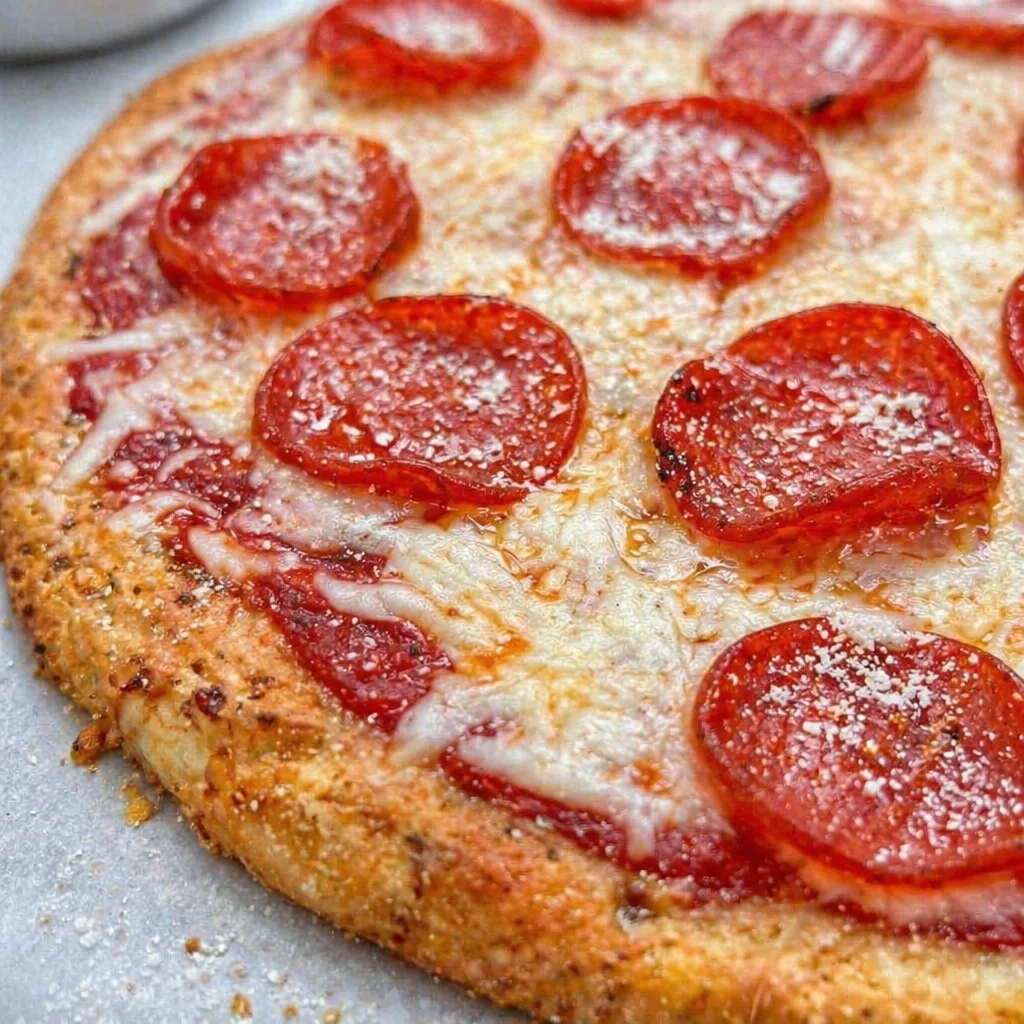
cottage cheese pizza crust saved my weeknight pizza habit when I wanted something crispy, filling, and not overloaded with grease. I was already playing around with cottage cheese in a bunch of ways, and my little obsession started after browsing this roundup of cottage cheese recipes and realizing it can do way more than sit next to fruit. If you have ever made Fathead dough and thought, wow this is tasty but kind of heavy, you are in the right place. This crust bakes up thin, a little bubbly, and surprisingly sturdy. It also hits that high protein comfort zone without feeling like you ate a brick of cheese. 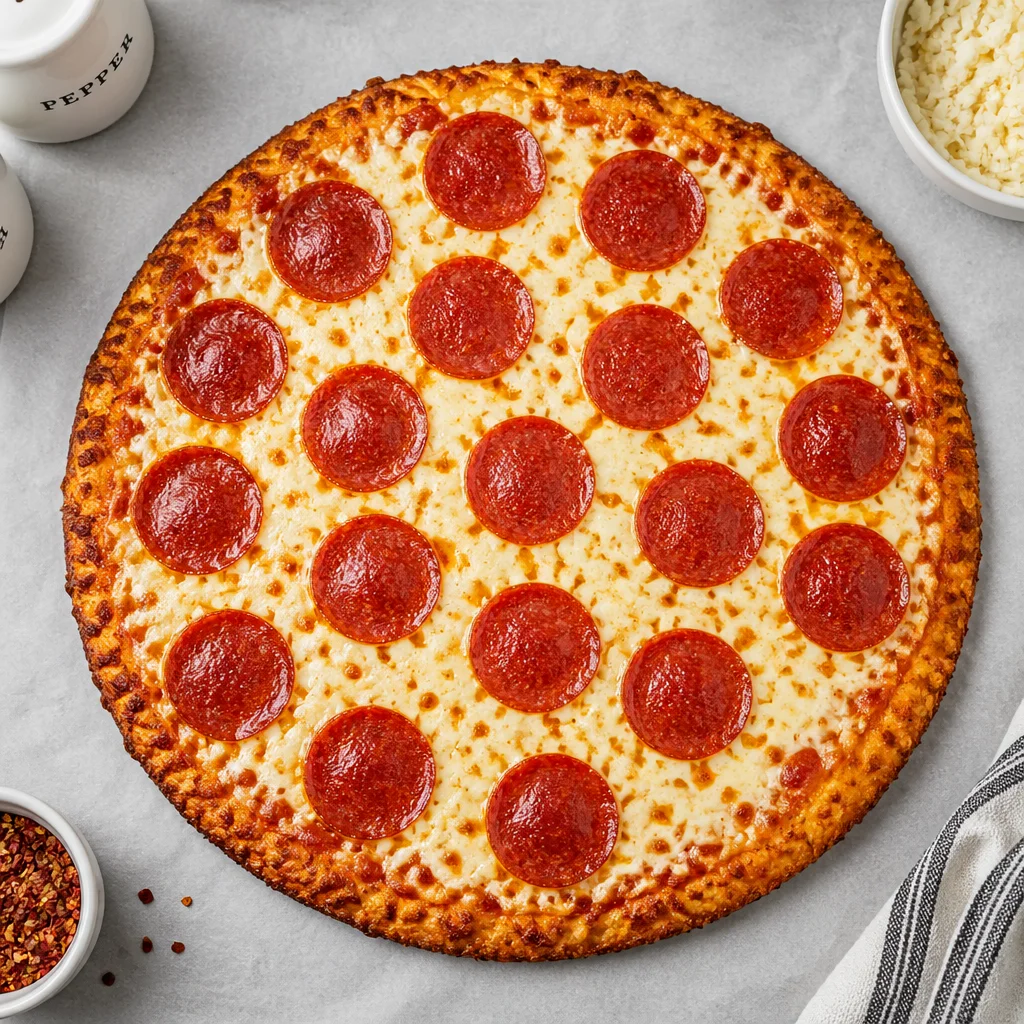
Jordan’s verdict better than Fathead?
Ok, here is my honest take. Fathead is delicious, but it can feel like you are eating a cheesy blanket. cottage cheese pizza crust tastes lighter to me, and it has a crispier bite around the edges if you bake it long enough. The first time I made it, I was not expecting much, and then I did that thing where you stand by the oven and keep peeking because the smell is so good.
What I love most is how it fits real life. It is fast, it uses basic stuff, and you can top it like a normal pizza. Also, if you are trying to bump up protein, this is one of those swaps that actually feels worth it.
Quick side note, if you are on a cottage cheese kick like me, try these cottage cheese egg bites for busy mornings. Same vibe of simple and filling.
Why Fathead dough has limitations (fat load, texture)
I am not here to trash Fathead dough. I still make it sometimes. But let us be real about the downsides so you can choose what works for you.
First, the fat load is intense. Between mozzarella, cream cheese, and sometimes almond flour, it can sit heavy. If you are tracking macros, it adds up fast, and you might not feel great after a couple slices.
Second, the texture is hit or miss. Fathead can be chewy in a way that is fun, but it can also turn soft under sauce and toppings. And if you do not roll it thin enough, it gets bready and dense.
Third, it is fussy. Melting cheese, stirring, microwaving, and wrestling sticky dough is not always the relaxing pizza night we deserve.
That is why cottage cheese pizza crust feels refreshing. It is still cheesy, but it is more balanced, and it does not require a whole workout to mix.
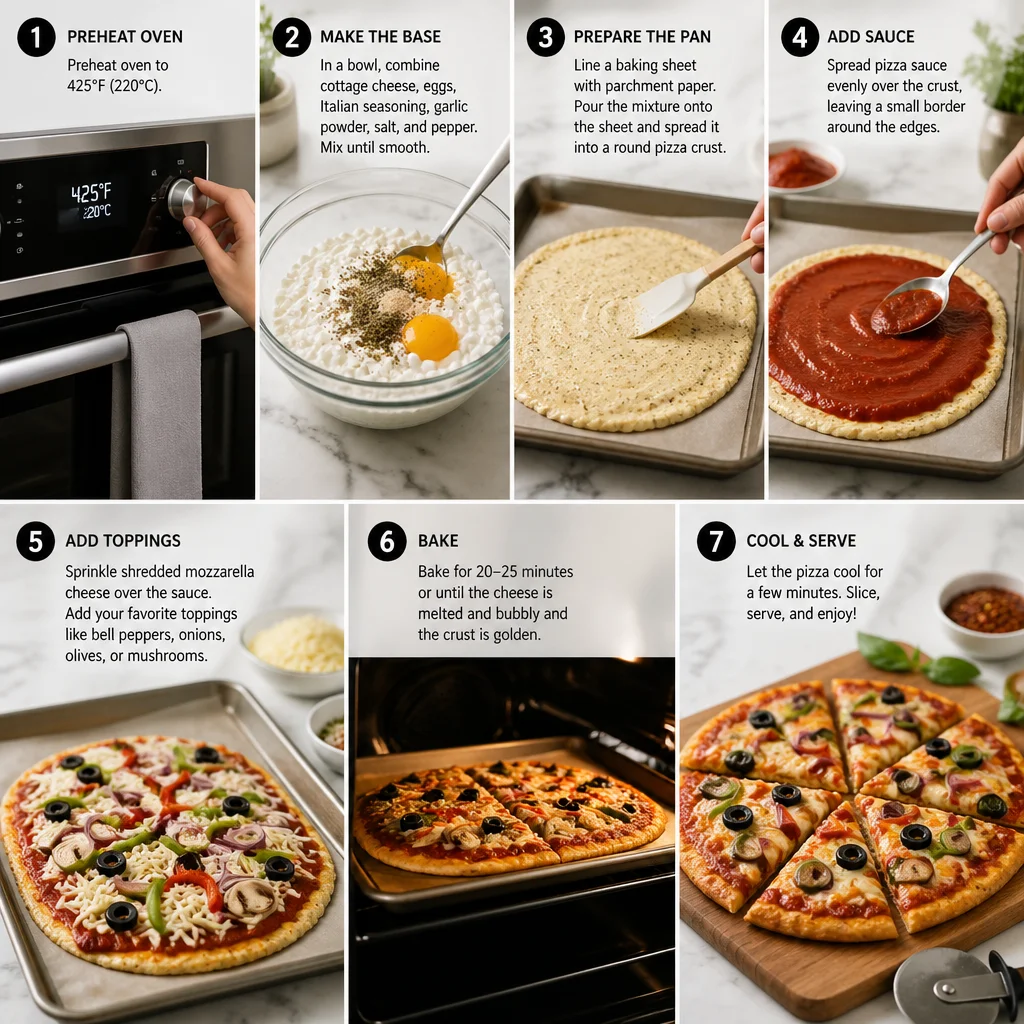
Cottage cheese crust recipe (step-by-step)
This is the method I keep coming back to. I like it thin and crisp, so I spread it out more than you might think at first. The blender step matters if you want a smooth batter style crust, so do not skip it unless you like little curds (not bad, just different).
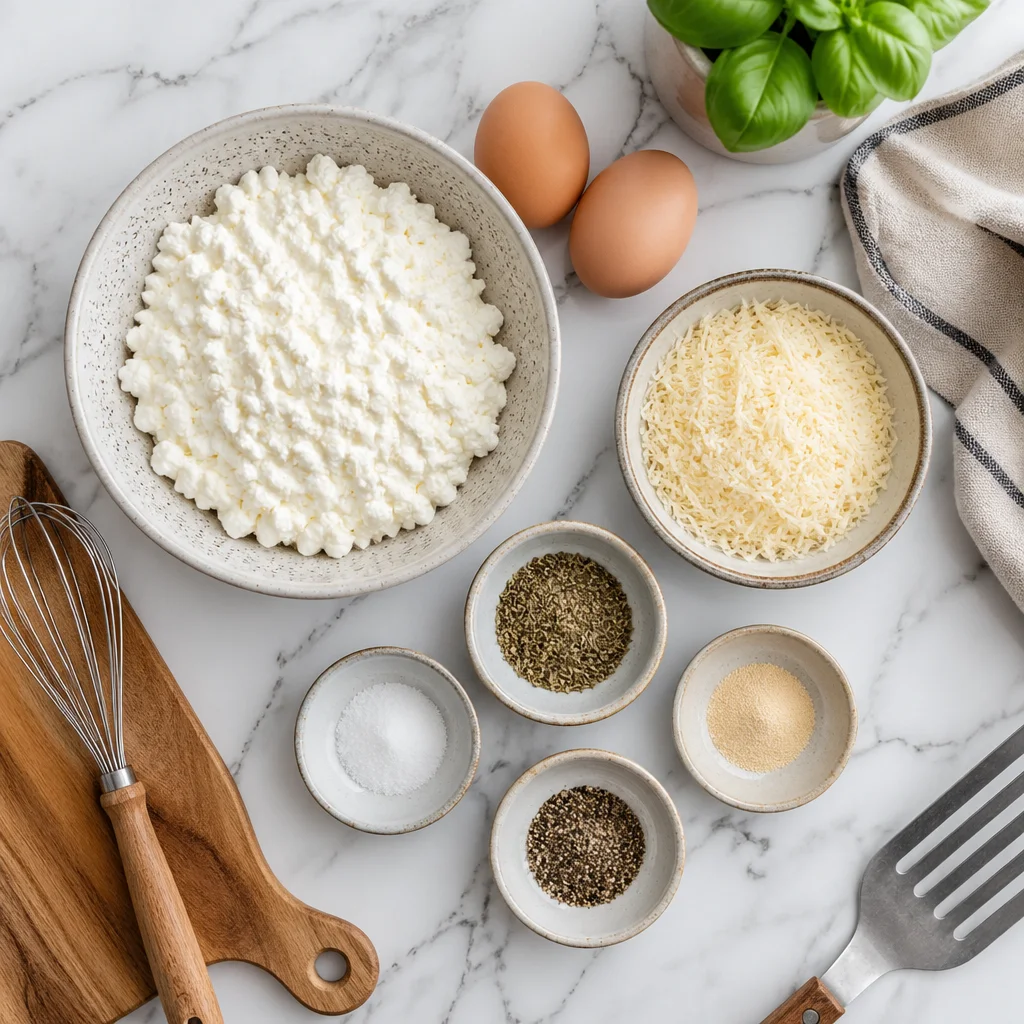
What you will need
- Cottage cheese (full fat or low fat both work)
- Eggs
- Grated parmesan (helps crisp and adds salty flavor)
- Italian seasoning or oregano
- Garlic powder, salt, pepper (to taste)
- Optional: a spoon of almond flour if you want it a bit more bread like
Step-by-step (my reliable method)
1) Heat your oven to 425 F. Line a sheet pan with parchment paper. Do not use wax paper. Ask me how I know.
2) Blend the cottage cheese until smooth. I use a small blender or immersion blender. You want it like a thick, creamy sauce.
3) Add eggs, parmesan, and seasonings. Blend or stir until it looks like a thick batter.
4) Pour it onto the parchment and spread into a thin circle. Think thin pancake. If it is too thick, it stays soft in the middle.
5) Bake 25 to 35 minutes. The timing depends on thickness and your oven. You want golden edges and a top that looks dry and set.
6) This part is important: flip it carefully. Bake 5 to 10 minutes more so the bottom dries out and crisps.
7) Add toppings and bake again until melty, usually 7 to 10 minutes.
If you like crunchy snacky things, you would probably also love these low carb cottage cheese crackers. They have that same crisp factor.
Baking vs air fryer methods for crispiness
I use the oven most of the time because it is easy to make a bigger crust. But if you want the crispiest personal pizza, the air fryer is kind of a cheat code.
Oven method is best when you want a family size crust or meal prep. The key is spreading thin and flipping. If you skip the flip, the middle can stay a bit tender.
Air fryer method is best when you want fast and crunchy. Here is what works for me: I make smaller rounds, about 6 to 7 inches wide, on parchment cut to fit the basket. Air fry at 375 F until set and golden, then flip and cook a little more. After toppings, I do a quick melt session for a few minutes.
Either way, let it cool for a couple minutes before slicing. It firms up as it sits, and you will get cleaner slices.
Topping guide (low-carb sauce and toppings)
This crust is mild and a little salty, so it plays well with bold toppings. I keep it simple most nights, but here are my go to combos.
- Sauce: sugar free marinara, crushed tomatoes with garlic, or pesto (watch carbs)
- Cheese: mozzarella, provolone, or a sprinkle of more parmesan
- Protein: pepperoni, cooked sausage, shredded chicken, ham, or bacon bits
- Veggies: mushrooms, peppers, onions, spinach, olives, jalapenos
- Finisher: chili flakes, fresh basil, or a drizzle of garlic olive oil
My favorite low carb combo is marinara, mozzarella, pepperoni, and a handful of spinach tossed on at the end. Another fun one is pesto, chicken, and sliced tomatoes with extra parmesan.
If you want a fresh side that does not feel like an afterthought, this cottage cheese cucumber salad is cool and crunchy next to hot pizza.
Macro comparison: cottage cheese crust vs Fathead vs cauliflower
Macros can vary a lot based on brands and exact measurements, so take this as a practical comparison, not a lab report. Still, it helps to know what you are getting into.
cottage cheese pizza crust usually lands in a happy middle. It is high protein, moderate fat, and low carb, especially if you keep the ingredients simple (cottage cheese, eggs, parmesan, seasonings). Because cottage cheese is protein forward, it feels satisfying without requiring a ton of added fat.
Fathead dough is typically the highest fat option. It can be very low carb, but it is calorie dense and can feel heavy. Great for cravings, not always great if you want something lighter.
Cauliflower crust can be low carb, but it varies wildly. Some store bought versions add starches. Homemade versions can be a bit fragile and often need more cheese to hold together, which changes the macros.
If your goal is a crisp, filling crust that does not taste like diet food, cottage cheese pizza crust is the one I reach for most often.
Storage and reheating guide
This is one of those recipes that is better fresh, but it stores well if you do it right.
To store: Let the crust cool completely. If you stack slices while warm, they steam and go soft. Store in an airtight container in the fridge for up to 3 days.
To freeze: Pre bake the crust, cool it, then freeze it flat with parchment between layers. When you want pizza, bake from frozen until hot, then add toppings.
To reheat: The microwave works in a pinch, but it softens the crust. For the best crisp, reheat in a skillet over medium heat or in the oven or air fryer for a few minutes. You will hear it crisp up, which is honestly satisfying.
FAQ: Does cottage cheese pizza crust hold its shape? Is cottage cheese pizza crust low carb?
Q: Does cottage cheese pizza crust hold its shape?
A: Yes, if you bake it long enough and spread it thin. Flipping helps a lot. Letting it cool for a couple minutes before slicing also makes it sturdier.
Q: Is cottage cheese pizza crust low carb?
A: Generally, yes. Cottage cheese has a few carbs, but the overall crust is still low carb compared to regular flour crust. Check your cottage cheese label since brands vary.
Q: Why is my crust soft in the middle?
A: Usually it is too thick or not baked long enough. Next time, spread it thinner and give it a longer first bake. Then flip it and bake again to dry out the bottom.
Q: Do I have to blend the cottage cheese?
A: No, but blending gives a smoother batter and a more even texture. If you skip blending, expect little pockets of curd, which some people actually like.
Q: Can I make it dairy lighter?
A: You can use low fat cottage cheese, but it might be a bit less rich and may need a couple extra minutes in the oven to crisp.
My final pizza night pep talk
If you have been craving a crispy pizza moment without going back to heavy dough, cottage cheese pizza crust is absolutely worth trying. I like it because it feels doable on a random Tuesday and it still tastes like a real treat. For more ideas and little variations, I also liked reading High Protein Cottage Cheese Pizza Crust – Healthy Fitness Meals and Cottage Cheese Pizza Crust – I Heart Vegetables, especially if you want to compare methods. Make one, keep the toppings simple, and do not rush the bake. Once you get that golden crisp edge, you will get why I keep coming back to cottage cheese pizza crust.
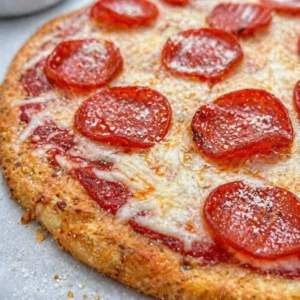
Cottage Cheese Pizza Crust

A light, crispy pizza crust made from cottage cheese, perfect for satisfying your pizza cravings without the heaviness of traditional dough.
Ingredients
For the crust
- 1 cup Cottage cheese (full fat or low fat) Both options work
- 2 large Eggs
- 1/2 cup Grated parmesan Helps crisp and adds salty flavor
- 1 teaspoon Italian seasoning or oregano
- 1/2 teaspoon Garlic powder Adjust to taste
- 1/2 teaspoon Salt Adjust to taste
- 1/4 teaspoon Black pepper Adjust to taste
- 1 tablespoon Almond flour (optional) For a more bread-like crust
Instructions
Preparation
- Preheat your oven to 425°F (220°C). Line a sheet pan with parchment paper.
- Blend the cottage cheese until smooth, resembling a thick, creamy sauce.
- Add the eggs, parmesan, and seasonings. Blend or stir until it forms a thick batter.
- Pour the batter onto the parchment and spread it into a thin circle.
Baking
- Bake for 25 to 35 minutes, until the edges are golden and the top looks dry.
- Carefully flip the crust and bake for another 5 to 10 minutes to dry out the bottom.
- Add your desired pizza toppings and bake again until the cheese is melty, usually 7 to 10 minutes.
Notes
Let the crust cool for a couple of minutes before slicing to make it sturdier. If using the air fryer, make smaller rounds and adjust the heat/time for optimal crispiness.