
Stay Connected with Low Carb Glow


Prebiotic Sodas Low Carb: Are Olipop and Poppi Actually Keto-Friendly? A Clinical Review

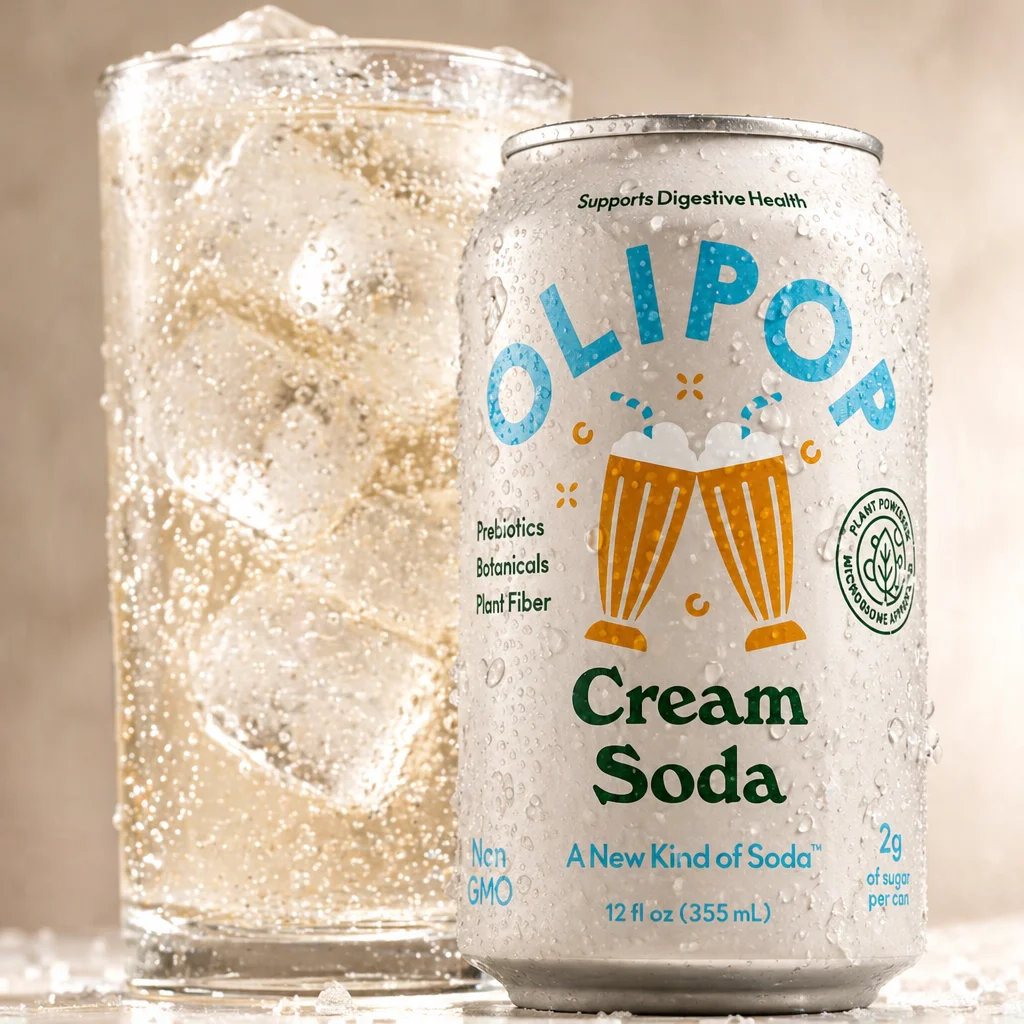
prebiotic sodas low carb is one of those phrases that makes you feel like you are doing something wildly responsible while still cracking open a cute little can. I get it, because I have totally been there, standing in the cold drink aisle thinking, am I about to support my gut health or accidentally drink my whole carb budget. I have been testing Olipop and Poppi the way a truth teller friend would, aka sipping, reading labels, and paying attention to how I actually feel after. If you are trying to keep your stomach calm and your carbs low, you might also like my quick, practical low carb gut health guide because it helps you connect the dots between cravings, bloat, and what you are drinking. Today I am breaking down what is really in these sodas, what the carb math looks like, and whether they fit keto in real life. 
Introduction: Maya’s truth-teller review of the prebiotic soda trend
I used to think soda was basically a no go on keto, period. Then prebiotic sodas showed up acting like the fun, healthy friend who also does yoga. The marketing is loud, but your body is quieter and that is what I care about. So I treated this like a mini clinical review, but in normal human words. I looked at carbs, sugar, sweeteners, fiber types, and the kind of tummy response people actually notice.
Also, I drink these with food sometimes, like with my air fryer crispy low carb chicken wings, because real life is not a lab. When something claims it is gut friendly, it has to hold up during a normal dinner, not just on an empty stomach. 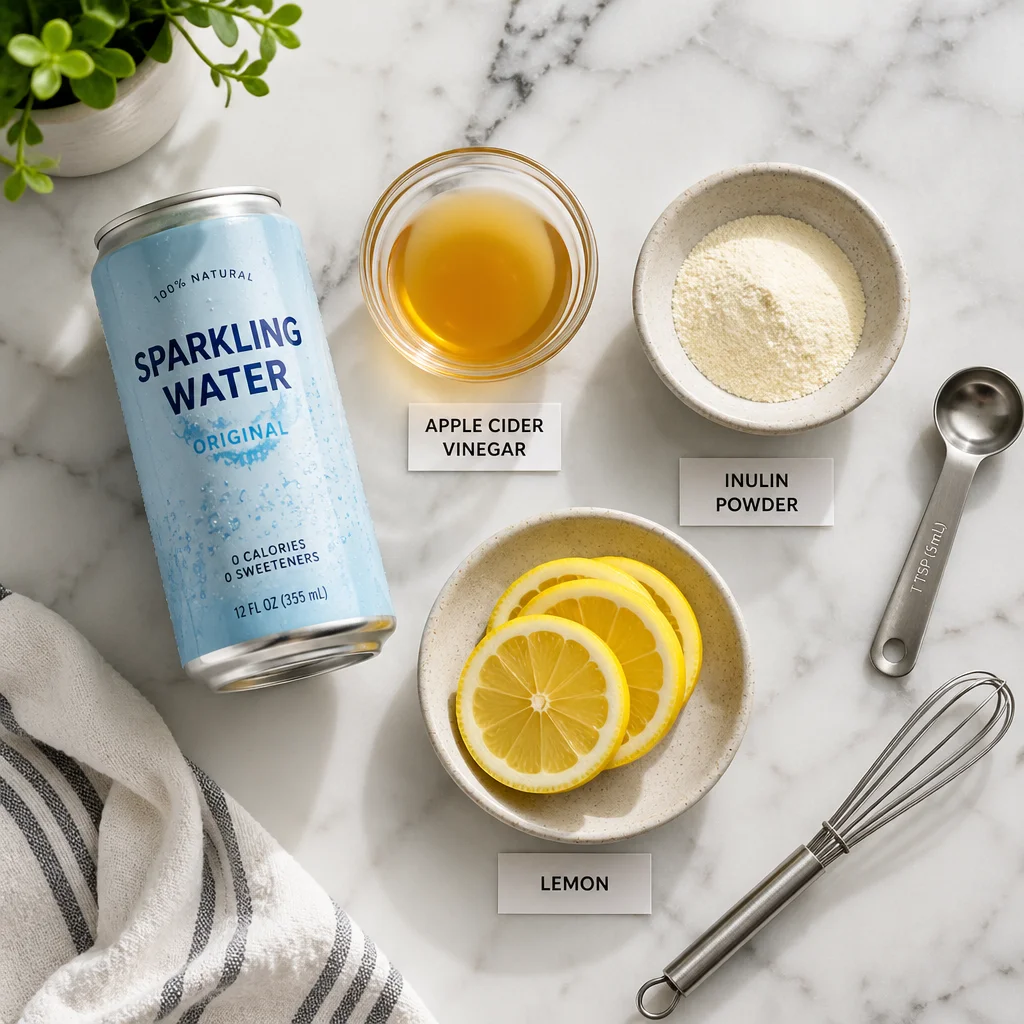
What are prebiotic sodas and what do they actually contain
Prebiotic sodas are basically sparkling drinks that add a type of fiber meant to feed beneficial gut bacteria. That is different from probiotics, which are live bacteria. Most of these sodas use a few repeat ingredients, and once you learn the pattern, label reading gets way easier.
The ingredient pattern you will see again and again
Here is what is usually inside Olipop, Poppi, and their cousins:
- Carbonated water plus natural flavors
- Prebiotic fibers like inulin, chicory root fiber, cassava root fiber, or resistant dextrin
- Sweeteners like stevia, monk fruit, erythritol, or small amounts of cane sugar depending on brand
- Acids like citric acid, sometimes apple cider vinegar in Poppi
So when a can says it has “9 grams of fiber,” that fiber is often the big trick behind the lower net carbs. On keto, the question becomes: does that fiber act like fiber for you, or does it act like a hidden carb bomb in disguise.
If you are meal prepping and trying to keep your week predictable, drinks can be the sneaky part. I like pairing my drinks plan with something simple like 5 ingredient meal prep low carb so I am not guessing all day long. 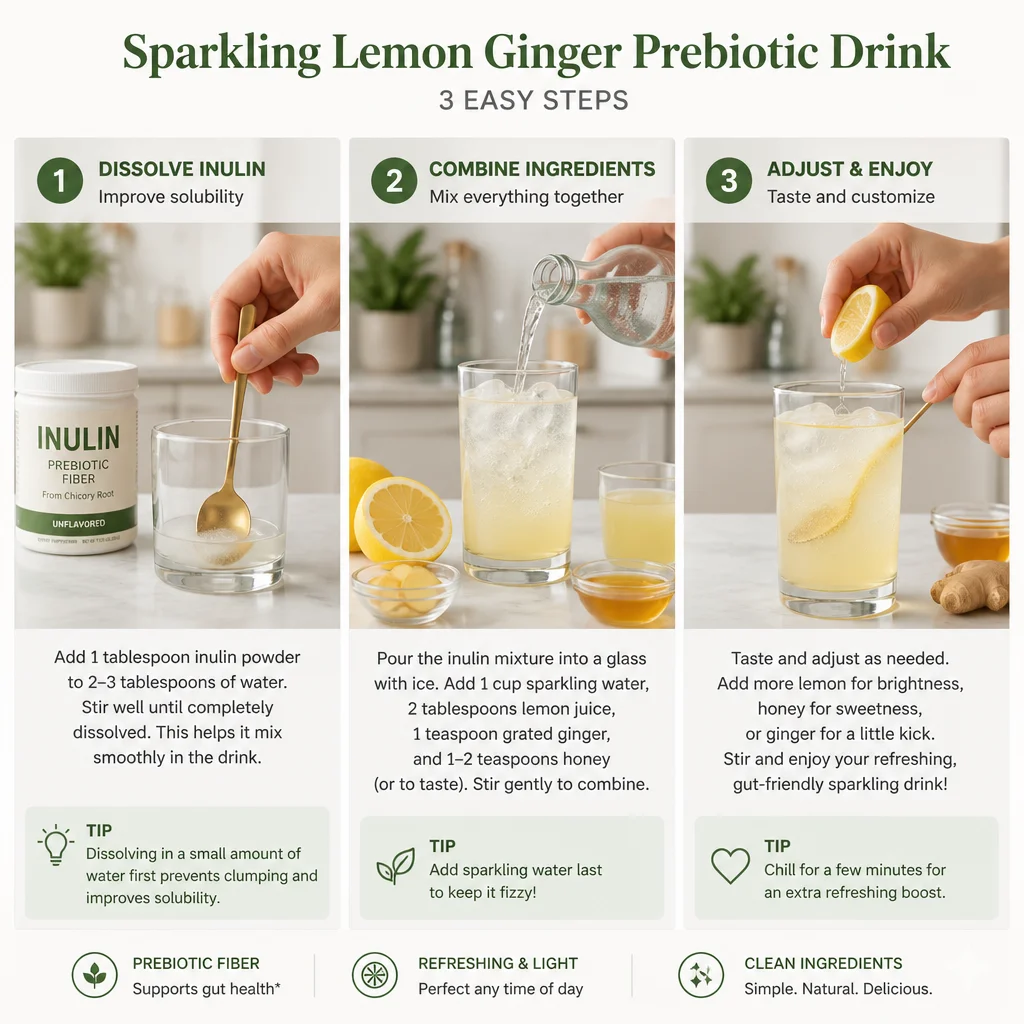
Carb and sugar content: Olipop vs Poppi vs other brands (comparison table)
Let us talk numbers, because vibes do not matter if your ketones disappear. Most prebiotic sodas are not zero carb. They are usually “lower carb than soda,” which is a different promise. Also, companies sometimes highlight fiber and downplay total carbs, so always peek at both lines.
| Drink (typical 12 oz can) | Total Carbs | Fiber | Sugar | Estimated Net Carbs | Keto vibe check |
|---|---|---|---|---|---|
| Olipop (many flavors) | ~16 to 19 g | ~9 g | ~2 to 5 g | ~7 to 10 g | Often borderline, depends on your daily limit |
| Poppi (many flavors) | ~5 g | 0 g | ~5 g | ~5 g | More keto compatible on paper, but has sugar |
| Typical “diet” soda | 0 g | 0 g | 0 g | 0 g | Keto friendly, not really gut focused |
| Sparkling water | 0 g | 0 g | 0 g | 0 g | Safest choice for strict keto |
A quick note: formulas change, and flavors vary. The best habit is to treat the table as a starting point, then confirm your specific can.
For strict keto people doing like 20 grams net carbs a day, Olipop can take up a huge chunk. Poppi is lower in carbs, but it usually uses real sugar, so it can still nudge cravings for some people.
Blood sugar impact analysis (glycemic response consideration)
Here is the part most labels cannot tell you: two people can drink the same prebiotic soda and have totally different blood sugar reactions. Even if net carbs look reasonable, your body might react to the sweet taste, the type of fiber, or the fact that you drank it on an empty stomach.
What I watch for in real life
When I am testing whether something fits my low carb routine, I watch:
1) Hunger an hour later: If I feel snacky and irritated, that is a red flag.
2) Craving bounce: Some drinks make me want “more sweet” even if the sugar is low.
3) Stomach feel: Inulin and certain fibers can cause gas and bloating, especially at first.
Clinically speaking, fiber can slow glucose absorption, but the sweetener situation matters. Poppi tends to be simpler carb wise, but because it has sugar, some people see a bigger glucose bump than they expect. Olipop often has higher total carbs but also more fiber, so the glucose response can be muted for some, but not everyone.
My practical tip: if you are unsure, drink half a can with a meal that has protein and fat. Like, if you are doing something cozy like beef stroganoff with zucchini low carb, that is a better test than drinking it solo at 3 pm when you are already stressed.
Do the prebiotics actually reach your gut?
This is where the hype gets interesting. Prebiotic fibers like inulin do make it to the colon largely intact, which is where they can be fermented by gut bacteria. That is the basic idea, and it is legit in general nutrition science.
But there are two reality checks:
First, the dose matters. Some people do fine with a few grams of inulin. Others feel like they swallowed a balloon animal. If you are not used to fiber, going from zero to nine grams in a soda can feel like a lot.
Second, your gut situation matters. If you already deal with IBS type symptoms, certain fermentable fibers can be rough even if they are “healthy.” So yes, these prebiotics can reach your gut, but whether they help or annoy your gut depends on your personal tolerance and the rest of your diet.
“I tried Olipop for a week because my friend swore it fixed her bloating. For me, half a can was perfect, but a full can gave me major gurgles. Once I treated it like a small treat, it actually worked for me.”
That little testimonial basically matches what I see again and again: start small, see what your body says, and do not force it just because the can looks healthy.
The better alternatives (sparkling water + ACV + inulin DIY)
Okay, now for my favorite part, because this is the part where I act like a food blogger and not just a label detective. If you want the vibe of prebiotic sodas low carb without the carb guessing game, you can make a super simple DIY version at home.
My simple DIY gut friendly fizz
You do not need fancy tools. Just a glass and a spoon.
- 12 oz cold sparkling water
- 1 to 2 tsp apple cider vinegar (start with 1 tsp)
- 1 to 2 tsp inulin powder or chicory root fiber (start with 1 tsp)
- A squeeze of lemon or lime
- Optional: a few drops of liquid stevia or monk fruit
How I make it: I stir the inulin into a tiny splash of water first so it dissolves better, then add sparkling water and the rest. Taste and adjust. It is not exactly like a commercial soda, but it scratches the itch and I control the dose.
If you are already doing low carb meal prep, this fits right in. I will batch a couple glasses worth of the fiber mix in a little jar so it is grab and go during the week.
When prebiotic sodas are fine in moderation
I do not think these drinks are evil. I think they are “sometimes drinks.” For a lot of people, they are a helpful bridge away from regular soda. For others, they are a gut roulette game.
Prebiotic sodas can be a reasonable choice if:
You are not super strict keto and you have room for 5 to 10 net carbs.
You drink it with food instead of on an empty stomach.
You tolerate the fibers without pain, bloating, or bathroom drama.
You treat it like a treat not a hydration strategy.
If you are doing strict keto for medical reasons or you are trying to nail consistent ketosis, I would be cautious with Olipop in particular because the net carbs can stack fast. Poppi is lower net carbs, but because it is sweetened with sugar, some people find it pokes cravings. This is why I keep circling back to your personal response, not just the label.
When I want something fun with basically no risk, I go sparkling water first. When I want something cozy with food, that is when a prebiotic soda sometimes joins the party.
FAQ: Is Olipop keto? How many carbs in Poppi? Are prebiotic sodas good for gut health?
Is Olipop keto?
It can be keto friendly for some people, but it is often borderline. Many cans land around 7 to 10 net carbs. If your daily limit is 20 net carbs, that is a big chunk.
How many carbs in Poppi?
Most Poppi flavors are around 5 grams total carbs per can, usually with about 5 grams of sugar and no fiber. That makes the net carbs basically the same as total carbs.
Are prebiotic sodas good for gut health?
They can support gut health if the fiber agrees with you and you are not relying on them as your main fiber source. Real food fiber still matters a lot.
Do they kick you out of ketosis?
Sometimes, yes. It depends on the brand, your portion, your current carb intake, and your personal glucose response. If you are unsure, try half a can with a meal and see how you feel.
What if prebiotic fiber makes me bloated?
Start with smaller amounts or skip inulin based drinks and focus on gentler fiber from food. You can also spread fiber out through the day instead of taking it all at once in a soda.
My final sip and what I would buy again
After tasting and testing, I think prebiotic sodas low carb can fit, but only when you treat them like a small intentional choice, not an everyday health habit. If you love the flavor experience, you can still enjoy options like OLIPOP Prebiotic Soda, Cream Soda Same-Day Delivery or Pickup or OLIPOP Prebiotic Soda, Cherry Vanilla Same-Day Pickup, just keep the net carbs in mind and listen to your gut. If you are still wondering whether the trend is truly helpful, this deeper read on The rise of prebiotic drinks: Are they actually good for you? is a nice reality check. Now go try my DIY fizz this week, start with a small scoop of inulin, and see if it gives you that fun soda feeling without blowing up your carbs or your stomach.