Stay Connected with Low Carb Glow

High Protein Steak Fajita Bowl

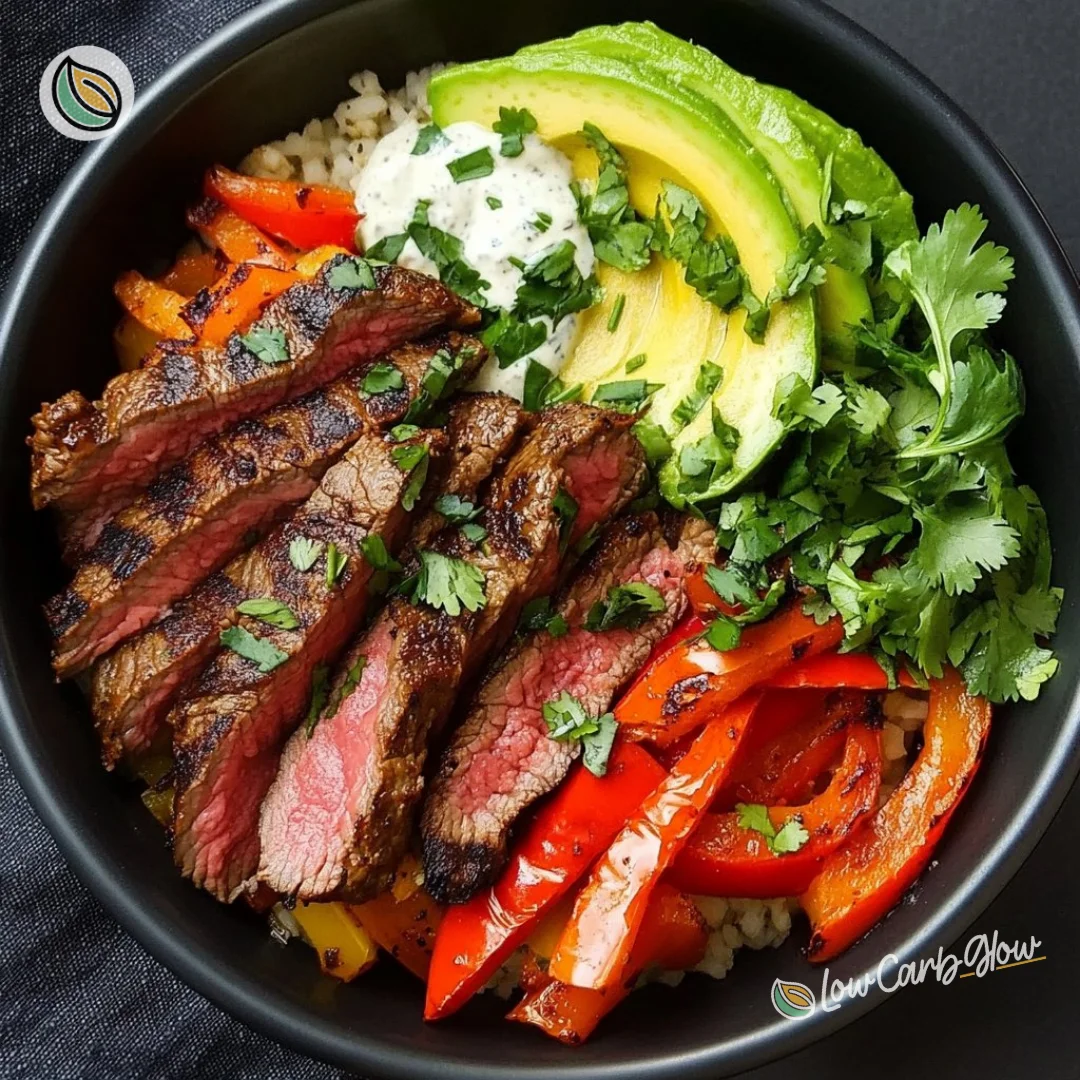
I first made this High Protein Steak Fajita Bowl after a week of late meetings and a fridge full of takeout containers that left me sluggish. The bright hit of lime and the smoky chipotle in the marinade woke everything up, and the bowl came together faster than I expected. That evening felt like a small, steady win: more energy, less clean-up, and a meal that actually kept my blood sugar calm for hours.
Why This Steak Fajita Bowl Just Works
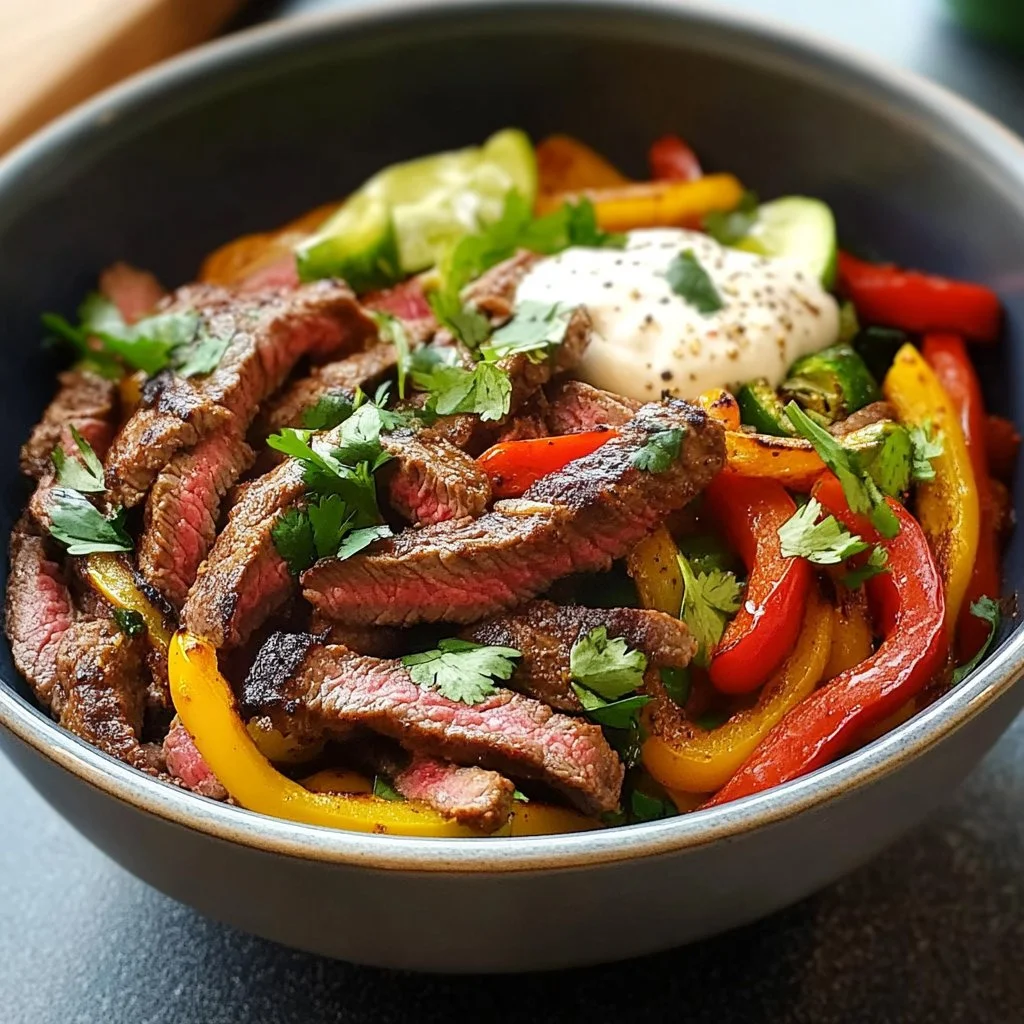
This bowl fits low-carb living because it swaps rice for cauliflower rice and focuses on lean protein and roasted vegetables that keep you full without spiking blood sugar. It balances texture, flavor, and practical cooking steps so the meal is repeatable on busy nights.
It also works as an easy low carb meal for real life. The components cook on simple timing: veggies in the oven, cauliflower rice in a skillet, and steak that sears fast. That means you can prep ahead or cook most of it while juggling a phone call or homework time.
From a metabolic perspective, pairing the steak with fiber-rich peppers and cauliflower slows digestion and helps steady glucose. This is why people looking for a blood sugar friendly, high protein low carb dinner keep coming back to versions of this bowl.
The recipe scales well for meal prep. Roast a double tray of vegetables and portion steak and cauliflower rice into containers for up to four days. When you reheat, flavors concentrate in a good way. That makes it realistic long-term: you will actually repeat it because it fits into a busy routine and supports how you want to feel after dinner.
Making Steak Fajita Bowl Without Overthinking It
“Low-carb cooking works best when you stop forcing it and start paying attention.”
Before you start, expect sizzling, citrus, and the gentle smoke from chipotle. The steak takes on a glossy, slightly red-brown coating from the marinade. The bell pepper and onion soften and caramelize around the edges. The cauliflower rice should be lightly golden, not mushy.
A good mirror for timing: the vegetables take 15 to 20 minutes in a hot oven. The cauliflower rice takes about 8 to 10 minutes on the stovetop. The steak sears in 2 to 3 minutes per side for medium rare. Those concurrent steps mean you spend most of your time moving and monitoring, not standing still.
Listen for cues rather than watching a clock too closely. A quick toss of the riced cauliflower should let you see edges turning golden. When the bell pepper skin starts to wrinkle and char in spots, it is done. When the steak gives slightly under a finger and a small pool of juices appears, it is time to rest.
This is a gut friendly low carb approach because it uses whole-food ingredients, healthy oils like avocado, and plenty of fiber from vegetables. It avoids processed fillers and relies on simple seasoning that enhances natural flavors without overwhelming digestion.
The rewards are tactile and immediate: a satisfying sear, a bright citrus note from lime, and a smoky warmth from chopped chipotle. Those elements combine into a bowl that tastes crafted, even when you make it on a weeknight.
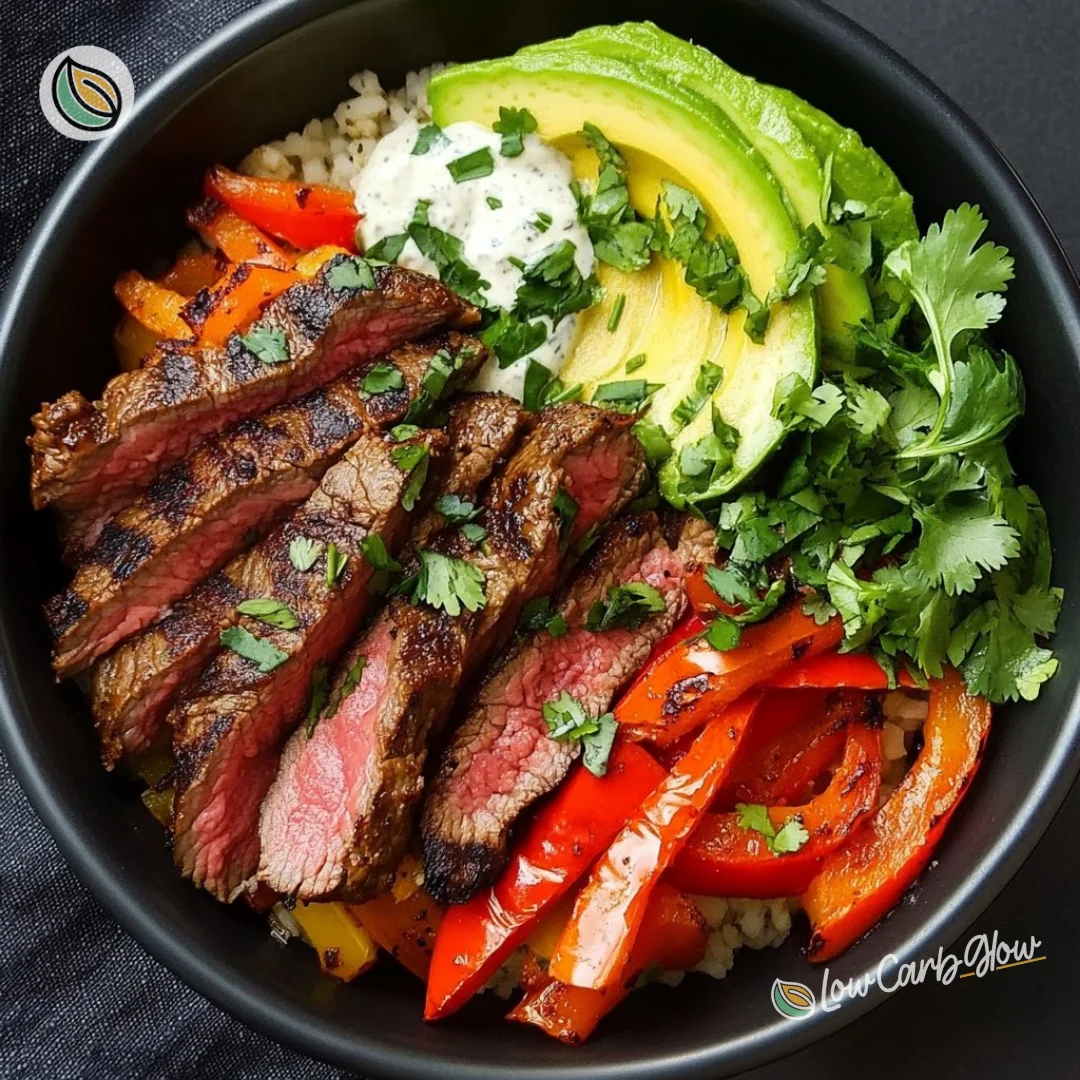
What You’ll Need
- 1 pound skirt steak
- 2 tablespoons chipotle peppers in adobo sauce (finely chopped with sauce)
- 2 tablespoons avocado or olive oil (for marinade)
- 2 tablespoons fresh lime juice
- 1½ teaspoons cumin (divided)
- Salt and pepper (to taste)
- 1 tablespoon avocado or olive oil (for cooking steak)
- ½ tablespoon avocado or olive oil (for cauliflower rice)
- 1 10-ounce bag riced cauliflower
- ½ tablespoon avocado oil (for roasting vegetables)
- 1 red bell pepper (sliced into strips)
- ½ yellow onion (sliced into strips)
Notes
- Swap skirt steak for flank steak or a lean sirloin if needed; adjust sear time for thickness.
- If you prefer milder heat, reduce chipotle or rinse some of the sauce off the peppers.
- Use olive oil if avocado oil isn’t available; both are stable for the temperatures used here.
Step-by-Step Directions
- Prepare the marinade and marinate the steak.
- In a bowl or shallow dish, combine the chipotle peppers with sauce, 2 tablespoons oil, lime juice, 1½ teaspoons cumin, salt, and pepper. Stir well.
- Add the steak, turning to coat completely, and marinate for at least 1 hour or overnight (preferred for best flavor). Remove from the fridge 30 minutes before cooking to bring to room temperature.
- Roast the vegetables.
- Preheat your oven to 400°F. Slice the bell pepper and onion into strips and place on a sheet pan.
- Drizzle with ½ tablespoon oil and sprinkle with ½ teaspoon cumin, salt, and pepper. Toss to coat the vegetables evenly. Roast for 15 to 20 minutes, or until tender with slightly caramelized edges.
- Cook the cauliflower rice while vegetables roast.
- While the vegetables are roasting, heat ½ tablespoon oil in a large 12-inch skillet over medium heat.
- Add the riced cauliflower and stir regularly until it turns slightly golden and tender, about 8 to 10 minutes. Season with salt and pepper to taste. Transfer to a bowl and cover to keep warm.
- Sear the steak.
- Shake off excess marinade from the steak. Wipe out the skillet and heat 1 tablespoon oil over medium-high heat.
- When the oil is shimmering hot, add the steak and cook for 2 to 3 minutes per side (for steaks about ¾ to 1 inch thick), until medium rare (130°F internal temperature). Transfer steak to a cutting board and let rest for 5 minutes.
- Slice and assemble.
- Once rested, slice the steak against the grain into thin strips.
- Divide the cauliflower rice evenly among 3 bowls. Top each with roasted vegetables and sliced steak. Serve immediately while warm.
Practical reassurances
- If your steak is thicker, add 1 to 2 minutes per side and use a thermometer for accuracy.
- Don’t worry about slight color variance in the cauliflower rice; golden edges signal flavor.
- Resting the steak is worth the wait for juicy, tender slices.
How I Like to Serve This
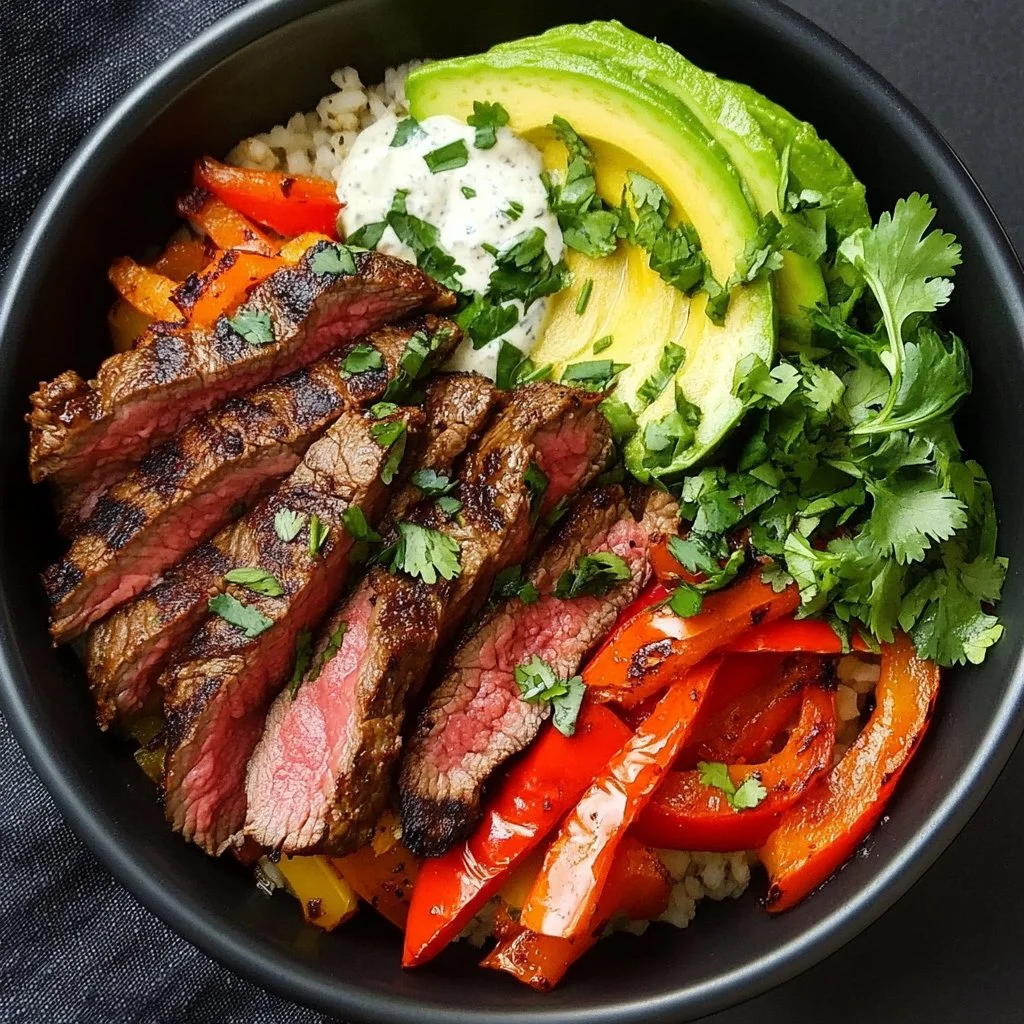
I plate this bowl with a squeeze of fresh lime and a scattering of chopped cilantro when I have it. A small dollop of Greek yogurt or a drizzle of mashed avocado complements the smoky chipotle and adds silkiness without heavy carbs.
This feels like comfort and clarity at once. The warm cauliflower rice and juicy steak anchor the bowl. The roasted peppers add sweetness and texture. Each bite is balanced: protein, a little fat, and a good dose of fibrous vegetables.
Pair it simply. A side salad with a light vinaigrette or a few slices of cucumber keeps things fresh. If you want a heartier dinner, add a small portion of black beans for non-low-carb guests. For a low-carb family meal, add shredded romaine and let people build their own bowls.
Eating this bowl feels satisfying without that heavy drowsy feeling some meals bring. It supports metabolic goals and leaves room for an after-dinner walk or a calm evening.
Storing and Reheating
Store components separately for best texture. Keep cauliflower rice, roasted vegetables, and sliced steak in separate airtight containers in the fridge. Use within 3 to 4 days.
Reheat gently to preserve texture. Warm the cauliflower rice in a skillet over medium heat with a teaspoon of oil to revive its golden edges. Reheat vegetables in the oven at 350°F for 5 to 8 minutes or briefly in a skillet. Heat steak slices very briefly 30 to 60 seconds per side in a hot pan or in the microwave at 50 percent power to avoid overcooking.
For meal prep bowls, assemble just before eating when possible. If you must assemble ahead, place steak on top so it heats evenly and juices do not over-soften the cauliflower. Expect minor softening of the roasted peppers over time; the flavor remains excellent.
Freezing is possible but not ideal for texture. If you freeze, do so without the roasted vegetables and consume within one month. Thaw overnight in the fridge and reheat gently.
Helpful Notes
- Swap and adapt: Use flank steak, skirt steak, or sirloin depending on what is available. Adjust searing time based on thickness. Thinner cuts cook faster.
- Time saver: Marinate overnight when you know your week will be busy. Marinade does heavy lifting on flavor so cooking day is quick.
- Flavor boost: Finish with a tiny pinch of flaky salt right before serving to lift the flavors. A squeeze of fresh lime brightens the entire bowl.
- Health angle: To keep it blood sugar friendly, watch added sweeteners in any store-bought salsas or sauces. Chipotle in adobo adds flavor but no added sugar when used in modest amounts.
- Digestion tip: If bell peppers cause mild bloat for you, peel them after roasting or choose green beans or zucchini as an alternative. These swaps keep the bowl gut friendly low carb.
Ways to Make It Yours
- Family-friendly tweak: Omit or reduce chipotle for milder flavor. Offer guacamole or cheese on the side for kids or picky eaters.
- Dairy-free option: Skip yogurt and use mashed avocado or a squeeze of lime for creaminess.
- Higher-protein option: Double the steak portion or add a hard-boiled egg per bowl for extra protein on salad days.
- Regional shift: Swap chipotle for smoked paprika and add a squeeze of orange for a Spanish twist. Or use chili-lime seasoning and cilantro for a Mexican street-style profile.
- Low-effort roast: Use pre-sliced peppers and onions from the produce section to save prep time. They roast the same and cut minutes from the kitchen work.
- Vegetarian swap: Replace steak with seared tempeh or charred halloumi for a plant-forward version that still satisfies on protein.
FAQs About Steak Fajita Bowl
Can I make this entirely on the grill?
Yes. Grill the steak to your preferred doneness and place the peppers and onions in a grill basket until tender. Lightly char the riced cauliflower in a skillet or use a cast-iron pan on the grill.
Is this recipe suitable for people monitoring blood sugar?
Yes. This is a low carb recipe that pairs protein and fiber to help steady blood sugar. Keep portions balanced and avoid sugary sides to maintain the blood sugar friendly profile.
Can I prep components ahead of time?
Absolutely. Marinate the steak and roast the vegetables up to 2 days ahead. Store separately and reheat gently. This makes the dish an easy low carb meal on busy nights.
What if I overcook the steak?
Slice it thin and toss briefly with the roasted vegetables and a splash of lime juice to add moisture. Overcooked steak still works well in bowls and salads when sliced thin.
How can I reduce sodium without losing flavor?
Use less added salt and boost flavor with fresh lime, cumin, and a smaller amount of chipotle. Fresh herbs at the end add vibrancy that can replace some saltiness.
Final Thoughts
This Steak Fajita Bowl is both practical and flavorful. It honors simple techniques marinade, high-heat roast, quick sear that create layers of taste without extra carbs. The bowl supports sustainable low-carb living because it is repeatable, flexible, and keeps you satisfied through the evening.
You do not need perfect timing or special equipment to get a dependable result. Small habits like resting the steak, roasting vegetables evenly, and keeping components separate in storage add up to better dinners and less waste. Over time, these choices build confidence in low-carb cooking and make healthy eating feel achievable, not restrictive.
Conclusion
If you want a reference for a different take on steak fajita bowls, this version with garlic lime rice shows a lighter rice-based pairing that may inspire swaps if you are not strictly low carb: Steak Fajita Bowls with Garlic Lime Rice Recipe | Little Spice Jar. For another low-carb and Whole30-friendly approach that keeps similar flavors front and center, see this example for techniques and seasoning ideas: Steak Fajita Bowls {Whole30, Keto} – The Paleo Running Momma.
A final note: choose what fits your week. Small, consistent wins like a reliable bowl you enjoy matter more than perfection.
Steak Fajita Bowl
A low-carb bowl featuring marinated steak, roasted vegetables, and cauliflower rice, perfect for quick weeknight meals.
Ingredients
- 1 pound skirt steak
- 2 tablespoons chipotle peppers in adobo sauce finely chopped with sauce
- 2 tablespoons avocado or olive oil for marinade
- 2 tablespoons fresh lime juice
- 1½ teaspoons cumin divided
- Salt and pepper to taste
- 1 tablespoon avocado or olive oil for cooking steak
- ½ tablespoon avocado or olive oil for cauliflower rice
- 1 10- ounce bag riced cauliflower
- ½ tablespoon avocado oil for roasting vegetables
- 1 red bell pepper sliced into strips
- ½ yellow onion sliced into strips
Instructions
- Prepare the marinade by combining chipotle peppers, 2 tablespoons oil, lime juice, 1½ teaspoons cumin, salt, and pepper in a bowl. Add the steak, coating it completely, and marinate for at least 1 hour or overnight.
- Preheat oven to 400°F. Place sliced bell pepper and onion on a sheet pan, drizzle with ½ tablespoon oil, and sprinkle with cumin, salt, and pepper. Roast for 15 to 20 minutes.
- While vegetables roast, heat ½ tablespoon oil in a skillet over medium heat and cook the riced cauliflower for 8 to 10 minutes until slightly golden. Season with salt and pepper.
- Remove excess marinade from steak and heat 1 tablespoon oil in the skillet over medium-high heat. Cook steak for 2 to 3 minutes per side until medium rare. Rest for 5 minutes before slicing.
- To serve, divide cauliflower rice among bowls and top with roasted vegetables and sliced steak. Optionally, add fresh lime and chopped cilantro.
Notes
Swap skirt steak for flank steak or lean sirloin if preferred. Adjust sear time for thickness.