Stay Connected with Low Carb Glow

Gochujang Low-Carb Recipes: 8 Ways to Use Korean Fermented Chili Paste Without the Sugar

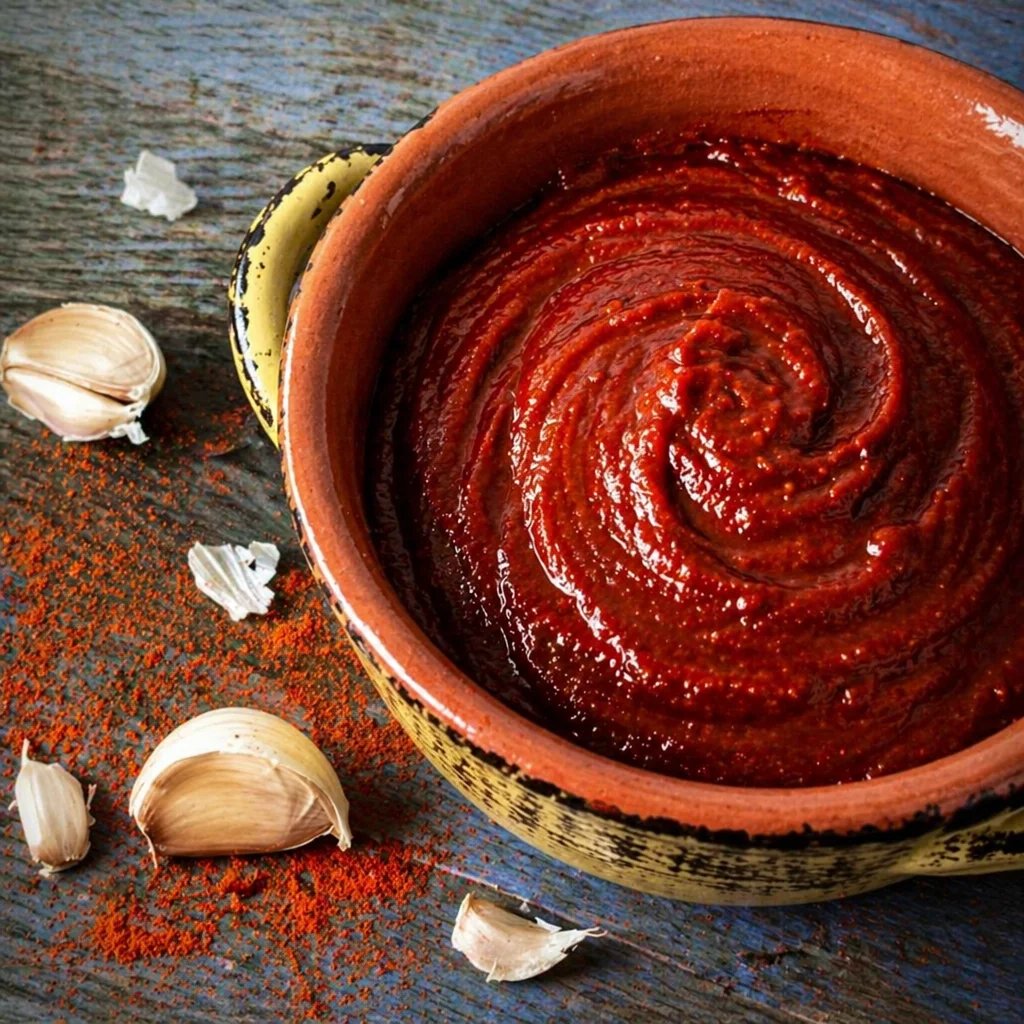
Gochujang Low-Carb Recipes saved me on one of those weeks when I was craving big, bold Korean flavor but I did not want the sugar crash that sneaks into a lot of store bought sauces. I kept thinking, why does the tastiest stuff always come with a carb bill at the end. So I started playing around with small amounts of gochujang, plus a few smart swaps, and suddenly my regular chicken, eggs, and veggie dinners got way more exciting. If you love spicy, salty, slightly funky flavors, you are in the right place. Let me walk you through how I use Korean fermented chili paste in a low sugar way without losing the fun. 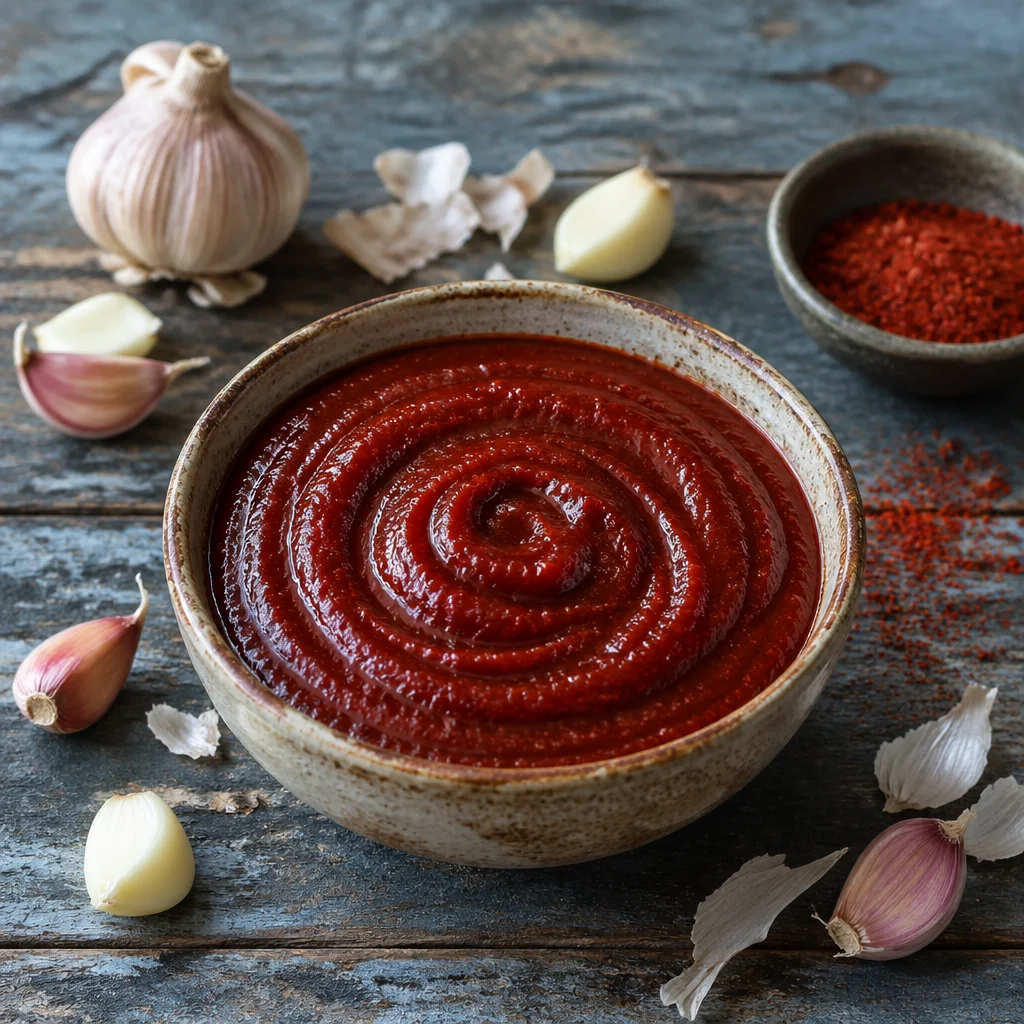
Introduction: Elena’s obsession with complex Korean flavors
I did not grow up eating Korean food, but once I tried gochujang, it was over for me. I remember the first time I stirred a tiny spoonful into a sauce and tasted that spicy sweet depth, and I honestly just stood there in my kitchen like, oh wow, this is the flavor. It hits spicy, savory, and a little tangy all at once. The problem is, I also try to keep my carbs low most days, so I had to figure out how to keep the vibe without accidentally turning dinner into dessert.
When I am in my comfy cooking mode, I usually rotate meals from my weeknight staples, then I sneak in something fermented and punchy so it does not feel like I am eating diet food. If you like meals that are easy and repeatable, you might also want to poke around my favorite roundup of easy low-carb weeknight dinners because those are the ones I cook when I am tired but still want real flavor. 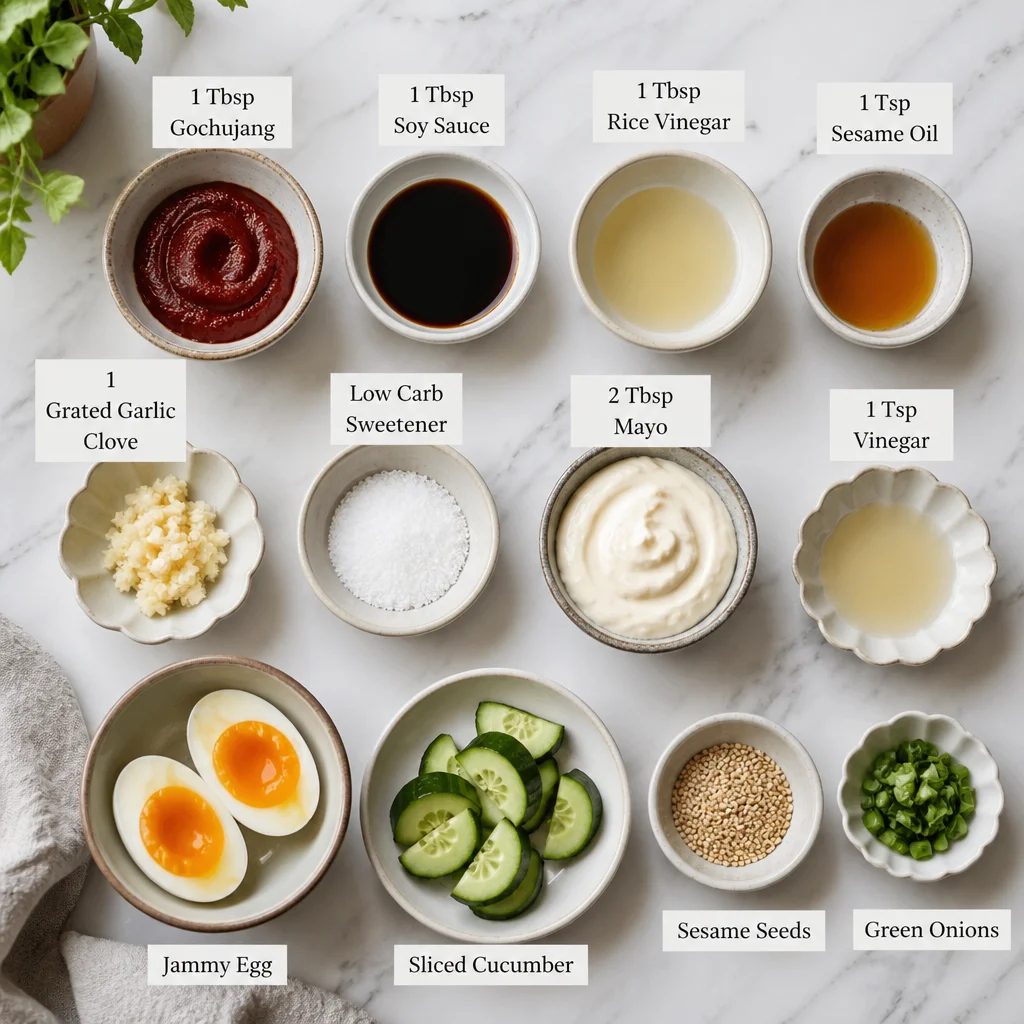
What is gochujang and why it matters (fermentation + umami)
Gochujang is a Korean fermented chili paste. It is usually made from red chili powder, fermented soybeans, salt, and a grain like rice or barley. Fermentation is the secret sauce here. It builds depth, kind of like how aged cheese tastes richer than fresh milk, or how soy sauce tastes more complex than just salty water.
The reason it matters in low carb cooking is simple. When you cut sugar and starch, meals can get flat fast. Gochujang brings that deep, rounded flavor that makes a bowl of plain chicken and broccoli taste like something you would pay for at a restaurant.
If you are into gut friendly foods in general, I keep a bunch of ideas in my gut-friendly low-carb recipes category. Fermented foods pop up there a lot because they can make simple meals feel more satisfying. 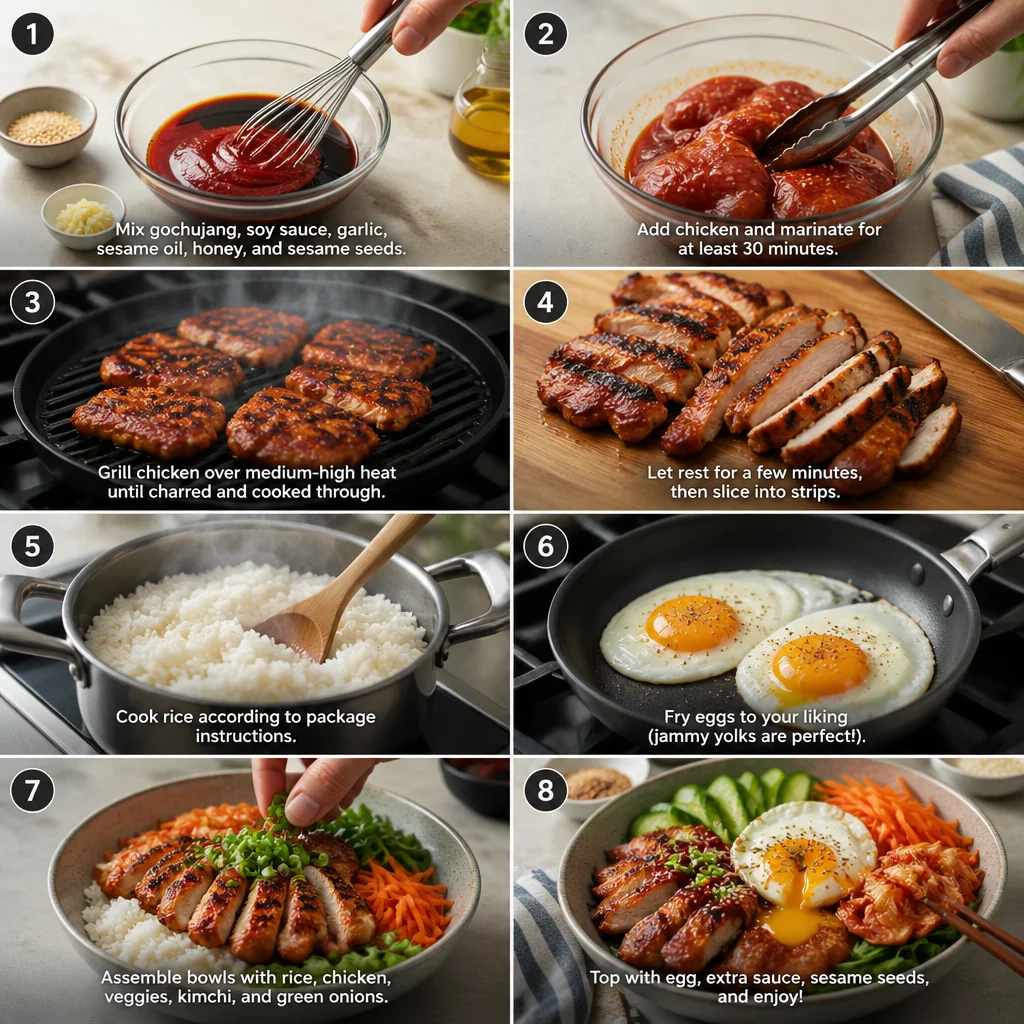
Sugar content issue + low-carb gochujang alternatives
Here is the catch. Traditional gochujang often has sugar and rice syrup, and that can add up quickly. Some brands are sweeter than others. If you are doing keto or just watching carbs, you need to check the label, because one tablespoon can be fine, but two or three can sneak into “oops” territory.
My realistic approach to keeping it low carb
I am not going to tell you to never use the real thing. I do use regular gochujang sometimes, but I treat it like a strong ingredient, not something I pour like ketchup. Most of the time, I do one of these:
- Use less: start with 1 teaspoon, then taste and build.
- Dilute smart: stretch it with soy sauce or coconut aminos, rice vinegar, sesame oil, and a low carb sweetener if needed.
- Buy sugar-free gochujang: more brands are showing up, often sweetened with allulose or monk fruit.
- Make your own: if you want full control over the ingredients.
Quick tip: if a recipe tastes like it needs sweetness, use just a pinch of allulose or erythritol, not a whole spoon. Gochujang already has a natural “roundness” from fermentation, so you usually need less sweetener than you think.
“I thought low carb Korean flavors would taste watered down, but your gochujang swaps actually work. The sauce tasted like real takeout, just lighter.”
Jess, a reader who tested my dipping sauce on steak bites
8 recipes: marinade, dipping sauce, noodle bowl, stir fry, deviled eggs, soup, wings, mayo
This is the fun part. These are my go-to ideas when I want that spicy fermented kick without loading up on sugar. I am keeping the instructions simple on purpose, because these are the kinds of things you can throw together on a weeknight.
1) Gochujang marinade for chicken or pork
Mix 1 tablespoon gochujang (or sugar-free), 1 tablespoon soy sauce, 1 tablespoon rice vinegar, 1 teaspoon sesame oil, 1 grated garlic clove, and a low carb sweetener to taste. Coat chicken thighs or pork slices and marinate at least 20 minutes. Grill, bake, or air fry.
When I am doing air fryer nights, I usually pair this vibe with something crunchy. If you want a super reliable recipe, these air fryer crispy low-carb chicken wings can be tossed with a gochujang glaze and they are honestly dangerous in the best way.
2) Five minute gochujang dipping sauce
This is my “save the meal” sauce. Stir together 2 teaspoons gochujang, 2 tablespoons mayo or Greek yogurt, 1 teaspoon vinegar, and a little salt. Add water to thin it. I dip cucumbers, shrimp, chicken strips, and even grilled steak in it.
3) Low carb “noodle bowl” with zucchini noodles
Spiralize zucchini or use a bag of pre cut zoodles. Toss with a warm sauce made from gochujang, soy sauce, sesame oil, and a splash of broth. Top with a jammy egg, sliced cucumber, and sesame seeds. If you need protein, leftover chicken works great.
If you are a zucchini noodle person, you might also like this creamy comfort style dinner: beef stroganoff with zucchini low-carb. Different flavor direction, same weeknight friendly energy.
4) Spicy gochujang beef or turkey stir fry
Brown ground beef or turkey, then add chopped cabbage or a bag of coleslaw mix. Stir in 1 to 2 teaspoons gochujang, soy sauce, garlic, and a splash of broth. Cook until the cabbage softens. Finish with sesame oil and green onion.
This is one of my favorite Gochujang Low-Carb Recipes because it feels like comfort food, but it is mostly protein and veggies.
5) Gochujang deviled eggs
Mix egg yolks with mayo, a tiny dab of gochujang, salt, and a few drops of vinegar. Spoon back into the whites and top with smoked paprika or sesame seeds. They disappear fast at parties, even with people who “do not like spicy food.”
6) Quick kimchi style soup with gochujang broth
Heat chicken broth, add a spoon of gochujang, a splash of vinegar, and sliced mushrooms. Toss in shredded chicken, tofu, or shrimp. Finish with scallions. It is cozy, spicy, and feels like it clears your head after a long day.
7) Sticky low sugar gochujang wings
Make wings crispy first, then toss with a glaze: gochujang, butter, garlic, and a little allulose. The trick is using butter to round out the heat so you do not need much sweetener.
If you love air fryer cooking like I do, you can also browse my low-carb air fryer recipes for easy sides to go with these, like simple veggie trays you can crisp up while the wings rest.
8) Gochujang mayo for lettuce wraps and burgers
This is the easiest one. Mix mayo with gochujang and a squeeze of lime. Spread it on bunless burgers, use it in tuna salad, or drizzle it over lettuce wrap tacos. When I am meal prepping, I keep a little jar of this in the fridge so lunch does not feel boring.
These eight ideas are basically my whole strategy: a little fermented chili paste plus creamy, salty, or tangy ingredients so it tastes balanced without needing a lot of sugar. It is why Gochujang Low-Carb Recipes keep showing up in my weekly rotation.
Probiotic benefits of fermented gochujang (Maya note)
My friend Maya is the one who keeps me honest about fermented foods. She is always reminding me that fermentation is not just about flavor, it is also about how foods can support your gut. Now, quick reality check: gochujang is often cooked, and heat can reduce live cultures, so I do not treat it like a probiotic supplement. But fermented foods can still be a nice part of a gut friendly pattern, especially when you are eating them alongside fiber rich veggies.
Maya’s tip was to use a little gochujang in sauces that do not need much cooking, like the dipping sauce or gochujang mayo, if you are trying to keep more of that fermented goodness around. Again, not medical advice, just a practical kitchen note from someone who reads way more nutrition books than I do.
For me, the biggest benefit is that fermented flavor helps me stick with low carb meals because it makes them feel exciting. And sticking with it is the whole point.
FAQ: Is gochujang keto? How much gochujang is low carb?
Is gochujang keto?
Sometimes. Traditional gochujang usually has sugar or rice syrup, so it depends on the brand and your daily carb limit. If you buy a sugar-free version, it is much easier to fit into keto.
How much gochujang is low carb?
For most people, 1 teaspoon to 1 tablespoon in a whole recipe is a good starting point. If you are strict keto, start with 1 teaspoon and build flavor with vinegar, soy sauce, garlic, and sesame oil.
What can I use instead of gochujang?
You will not get the exact fermented flavor, but you can mix chili garlic sauce with a low carb sweetener and a tiny bit of miso. It scratches the itch in a pinch.
Does gochujang taste very sweet?
Some brands do. That is why label reading matters. If it tastes sweet, use less and balance it with vinegar and salt.
How do I store gochujang?
Keep it in the fridge after opening, lid tightly closed. It lasts a long time and the flavor stays strong, so you do not need much each time.
If you are building your own list of Gochujang Low-Carb Recipes, start with the dipping sauce and the stir fry. They are the easiest, and they teach you how far a small spoonful can go.
My go-to way to make it a habit
Here is what actually works for me: I pick one protein for the week, like chicken thighs or ground turkey, then I make one gochujang sauce and one creamy sauce. That gives me options without feeling like I am cooking all day. If you like that style of cooking, this kind of planning fits right in with simple prep ideas like 5-ingredient meal prep low-carb. It is not fancy, it is just realistic.
And yes, I still call these Gochujang Low-Carb Recipes even when I am only using a teaspoon, because that teaspoon does a lot of heavy lifting.
A friendly wrap-up before you cook
If you have been craving Korean style flavor but you are trying to keep sugar down, you do not have to give up gochujang. Use smaller amounts, balance it with tangy and savory ingredients, and consider a sugar-free option when you can. If you want to DIY it, this linked recipe for Easy Homemade Keto Gochujang (sugar-free, gluten-free, soy-free) is a great starting point. And if you would rather just buy a jar and get cooking, I have seen good reviews for Thank-you Gochujang Sugar-Free, Korean Chili Paste with Allulose. Pick one recipe from the list, start small, taste as you go, and you will find your perfect heat level fast.