
Stay Connected with Low Carb Glow

10 Low-Carb Meal Prep Ideas That Save Time & Money

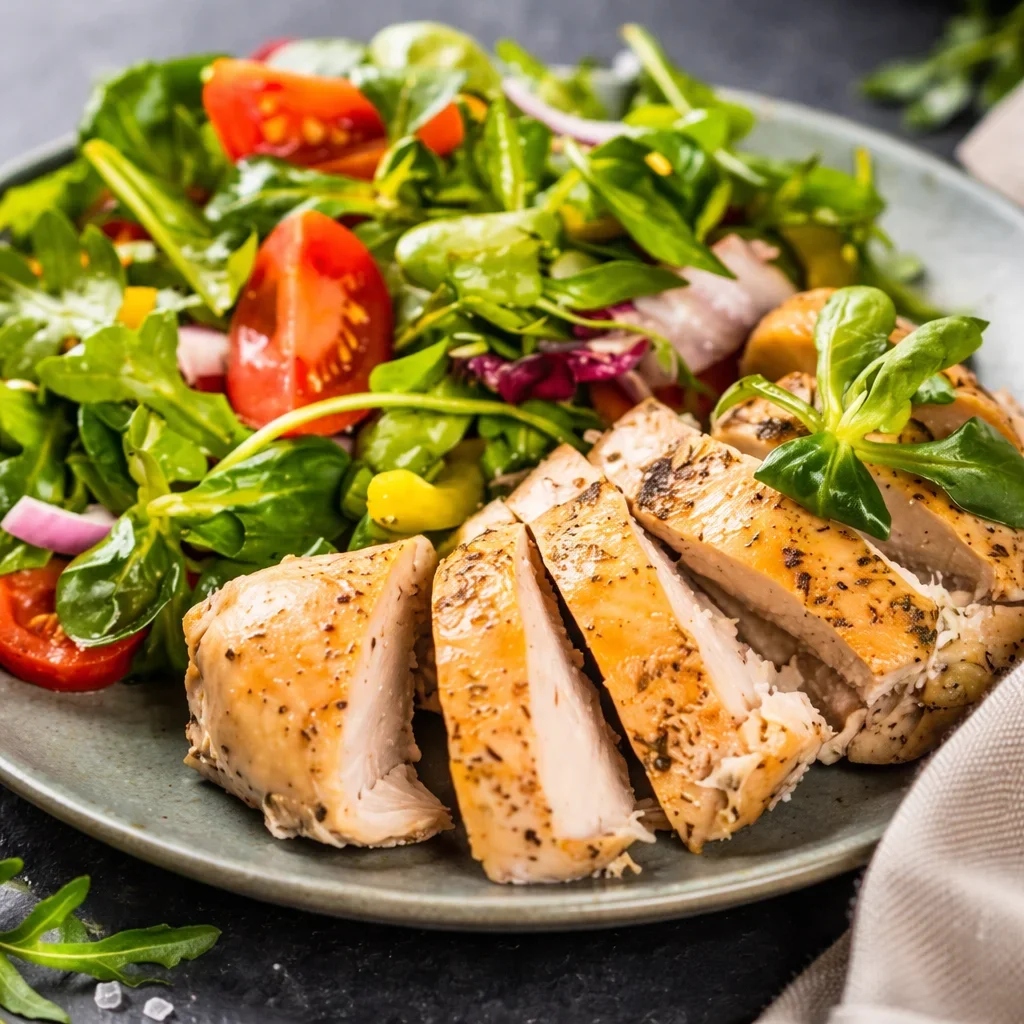
Looking for the complete system? Visit our Complete Low-Carb Meal Prep Guide the full framework covering batch cooking systems, freezer strategies, beginner ramp-up plans, and every meal prep recipe on LowCarbGlow in one place.
I’ll be honest with you about three years ago, Sunday nights used to fill me with dread. I’d stare into my fridge knowing I had a packed week ahead, two kids to feed, and absolutely no plan for getting healthy dinners on the table. I’d tell myself “I’ll just figure it out each night,” which inevitably meant scrambling at 6 p.m., ordering takeout more often than I’d like to admit, and feeling like I was failing at this whole “healthy eating” thing.
That’s when I discovered that meal prep doesn’t have to mean spending your entire Sunday cooking or eating the exact same boring meal seven days in a row. It just means having a system a repeatable framework that works for your actual life, not some Instagram-perfect fantasy version of it.
Today, I’m sharing ten low-carb meal prep strategies that transformed my chaotic weeknights into something manageable. These aren’t just recipes they’re practical solutions for real people juggling work, family, budgets, and the desire to actually feel good in their bodies. Whether you’re meal prepping for one or feeding a whole family, you’ll find an approach here that fits your life.
Quick Navigation: Find Your Meal Prep Style
- Time-Saving Strategies
- Budget-Friendly Options
- Family-Size Solutions
- High-Protein Approaches
- Meal Prep Method Comparison
- Frequently Asked Questions
Why Low-Carb Meal Prep Changes Everything
Here’s what nobody tells you about meal prep: it’s not really about the food. It’s about reclaiming your time and your sanity. When you have ready-to-go meals in your fridge, you’re not making food decisions when you’re already exhausted and starving which is exactly when we all reach for whatever’s easiest, regardless of whether it aligns with our health goals.
Low-carb meal prep specifically has been a game-changer for me and countless others in the LowCarbGlow community because it addresses the biggest complaint people have about traditional meal prep: “I’m hungry again two hours later.” When you’re building meals around protein, healthy fats, and fiber-rich vegetables instead of carb-heavy grains, you stay satisfied longer. That means fewer afternoon snack attacks and more consistent energy throughout your day.
For busy parents trying to feed families while managing their own weight loss goals, low-carb meal prep offers something invaluable: one system that works for everyone. You’re not making separate “diet meals” for yourself and “regular food” for your kids. You’re making delicious, satisfying meals that happen to support your health goals while tasting good enough that nobody feels deprived.
Time-Saving Meal Prep Strategies
These methods are for when efficiency is your top priority. You want maximum results with minimum time investment.
1. Mason Jar Low-Carb Lunch Prep
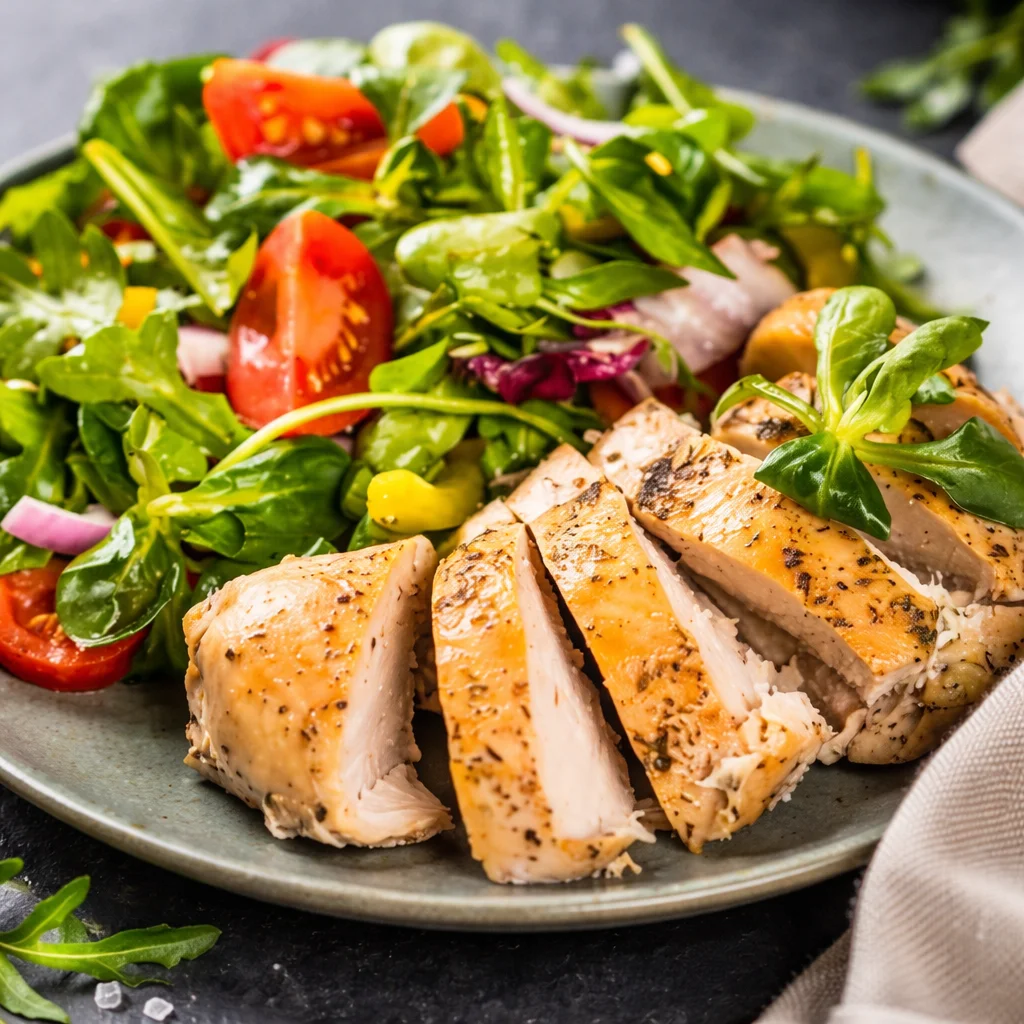
Let me tell you about the moment I became a mason jar convert. I’d been making big batch salads and storing them in containers, only to open them at lunch and find soggy, unappetizing greens that had been sitting in dressing for three days. Gross.
The mason jar method solves this completely through strategic layering. Dressing goes in first at the bottom where nothing else touches it. Then you add your sturdy ingredients things like chickpeas, cucumbers, bell peppers, hard-boiled eggs. Delicate greens go on top where they stay crisp and fresh. When you’re ready to eat, you just shake it all up and dump it into a bowl.
What makes this perfect for low-carb meal prep for the week is that you can prep five jars on Sunday in about 20 minutes, and each one stays fresh until Friday. No more lunchtime scrambling or expensive salad bar trips. Just grab a jar from the fridge and go. This is hands-down one of the easiest low-carb meal prep strategies for beginners because there’s no cooking involved just smart assembly.
2. Egg Muffin Low-Carb Breakfast Prep

Mornings at my house used to be chaos. Two kids who needed to be at school, me trying to get to work on time, and nobody had eaten anything substantial. We were all grabbing whatever was fastest usually toast or cereal which meant everyone was hungry again by 10 a.m.
Egg muffins changed our mornings completely. I make a batch of twelve on Sunday (takes maybe 30 minutes total including cleanup), and suddenly we have grab-and-go protein-packed breakfasts for the entire week. You can eat them cold, microwave them for 30 seconds, or even wrap them in a paper towel and eat them in the car.
The best part? These are endlessly customizable. Monday’s batch might be bacon and cheddar. Wednesday I’ll make spinach and feta. Friday could be sausage and peppers. My kids actually request these now, which as any parent knows, is basically a miracle. For anyone doing low-carb meal prep for beginners, egg muffins are your secret weapon they’re basically impossible to mess up, incredibly versatile, and everyone in your family will eat them.
3. One-Pan Low-Carb Meal Prep Sheet
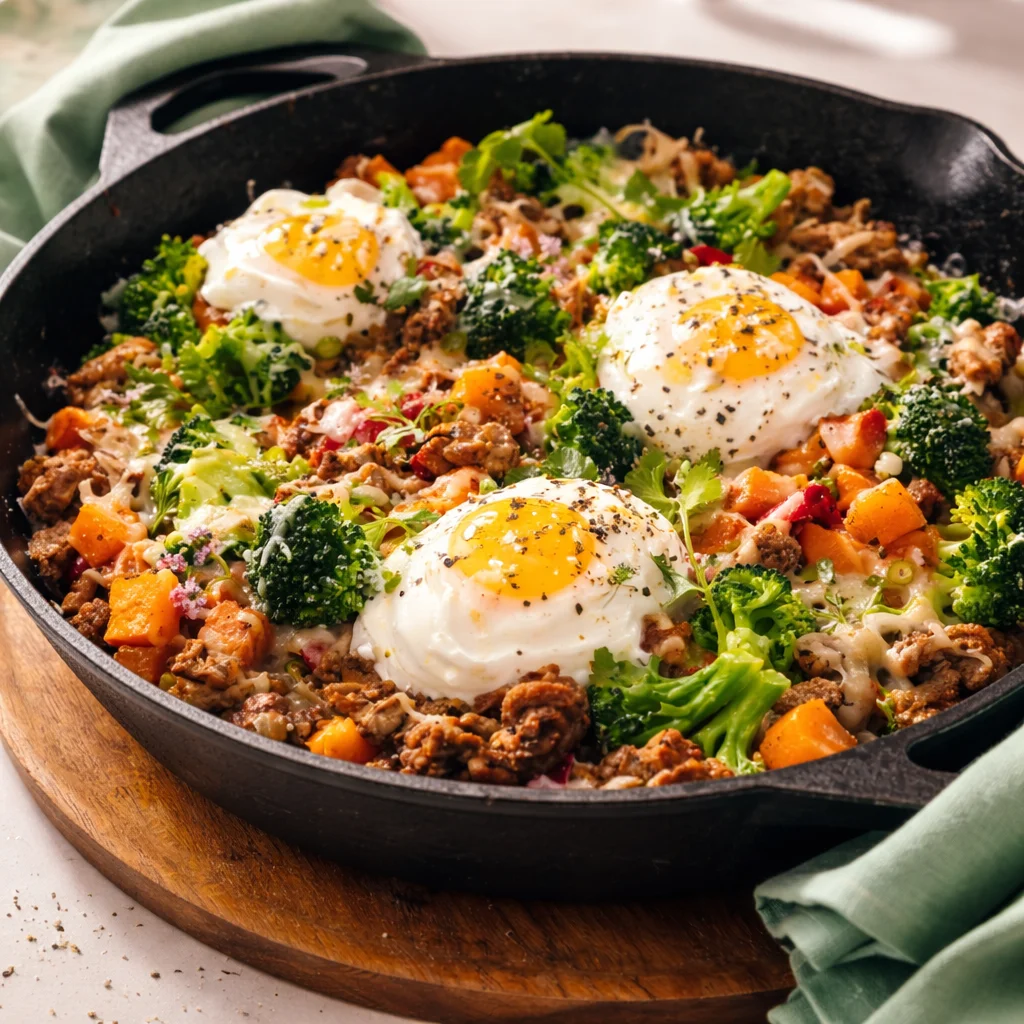
If you’re intimidated by meal prep because you think it means dirtying every pot and pan in your kitchen, let me introduce you to sheet pan meals. This is genuinely the laziest (in the best way) approach to meal prep I’ve found.
Here’s the whole process: chop some vegetables, season your protein, throw everything on a sheet pan, stick it in the oven for 25-35 minutes, and you’re done. One pan. Minimal dishes. Maximum flavor. While it’s cooking, you can be doing literally anything else helping kids with homework, folding laundry, or just sitting down for five minutes because you deserve that.
The framework is simple: pick a protein (chicken thighs, salmon, pork chops, whatever’s on sale), pick 2-3 vegetables (broccoli, Brussels sprouts, bell peppers, zucchini), add some fat (olive oil or butter), season generously, and roast. You can make enough for the week in one go, or do two different sheet pans with different seasonings so you have variety. This is the ultimate easy low-carb meal prep method for people who don’t want to spend their entire weekend cooking.
Budget-Friendly Meal Prep Solutions
The biggest myth about healthy eating is that it has to be expensive. These strategies prove you can meal prep on a tight budget without sacrificing nutrition or taste.
4. Budget Low-Carb Meal Prep ($50)
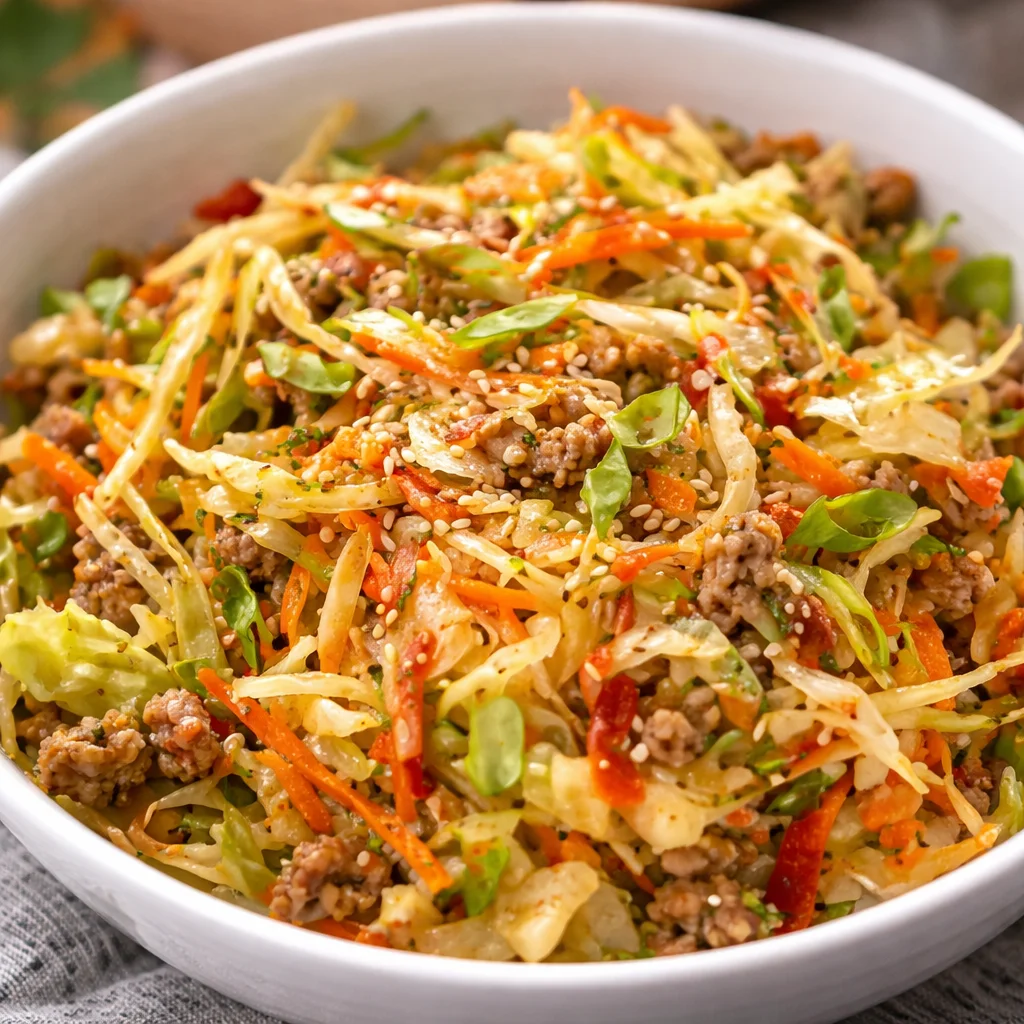
When I first started trying to eat healthier, I thought I couldn’t afford it. Organic this, grass-fed that, specialty low-carb products that cost triple what regular food costs it seemed impossible on a normal grocery budget. But here’s what I learned: you absolutely do not need expensive specialty products to succeed with low-carb eating.
This $50 weekly meal prep plan focuses on affordable staples that deliver maximum nutrition for minimum cost. We’re talking eggs (the most affordable protein on the planet), chicken thighs (way cheaper than breasts and more flavorful), ground beef when it’s on sale, bags of frozen vegetables, and budget-friendly produce like cabbage, carrots, and onions.
The strategy here is about being smart with your shopping. Buy proteins in bulk when they’re on sale and freeze what you won’t use this week. Choose frozen vegetables over fresh for items you’re cooking anyway they’re just as nutritious, often cheaper, and they don’t go bad in your crisper drawer. Focus on whole foods instead of processed “low-carb” products that cost a fortune.
With this approach, you’re feeding yourself or your family real, nourishing food for about $7 a day. That’s less than one meal at a fast-food restaurant, and you’re getting a full day’s worth of satisfying, health-supporting meals. This is budget low-carb meal prep that actually works in the real world.
5. Low-Carb Beef & Pork Meal Prep
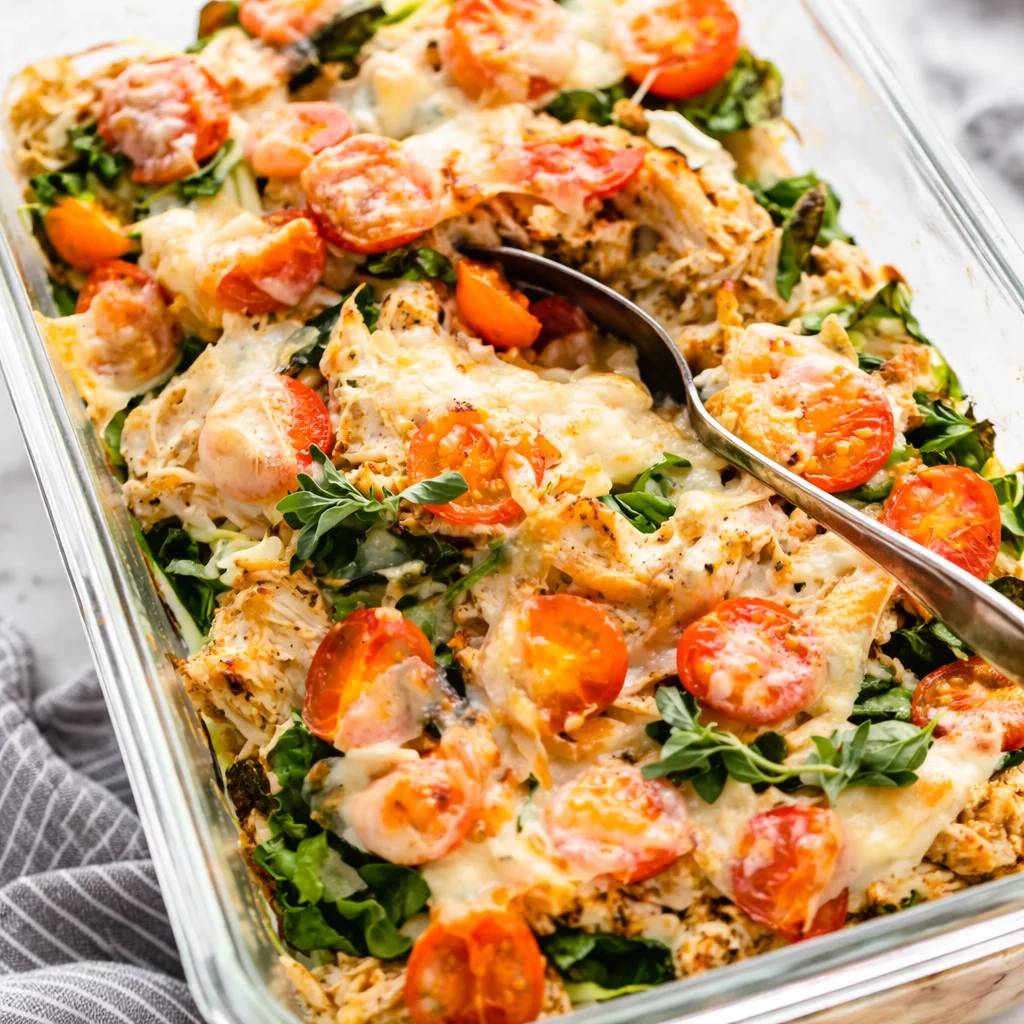
Let’s talk about protein diversity, because honestly, if I have to eat another piece of grilled chicken breast, I might lose my mind. Don’t get me wrong chicken is great. It’s affordable, versatile, easy to cook. But eating it six days a week gets old fast.
Beef and pork offer different flavors, different textures, and often better prices than you’d expect if you know what to buy. Ground beef is incredibly affordable and transforms into everything from taco bowls to meatballs to burgers. Pork shoulder or pork chops go on sale regularly and can be absolutely delicious when prepared right.
This guide teaches you the framework for building satisfying beef and pork-based meal prep without breaking your budget. We’re not talking about expensive steaks here we’re talking about budget cuts that taste amazing when you know how to cook them. Think slow-cooked pork carnitas that you can use five different ways throughout the week, or seasoned ground beef that becomes the base for multiple meals.
The beauty of this approach is variety. When you’re rotating between chicken, beef, and pork throughout your week, meal prep stays interesting instead of feeling like a punishment. And when you’re buying whatever protein is on sale that week, you’re naturally keeping costs down while keeping your taste buds happy.
6. 5-Ingredient Meal Prep (Low-Carb)
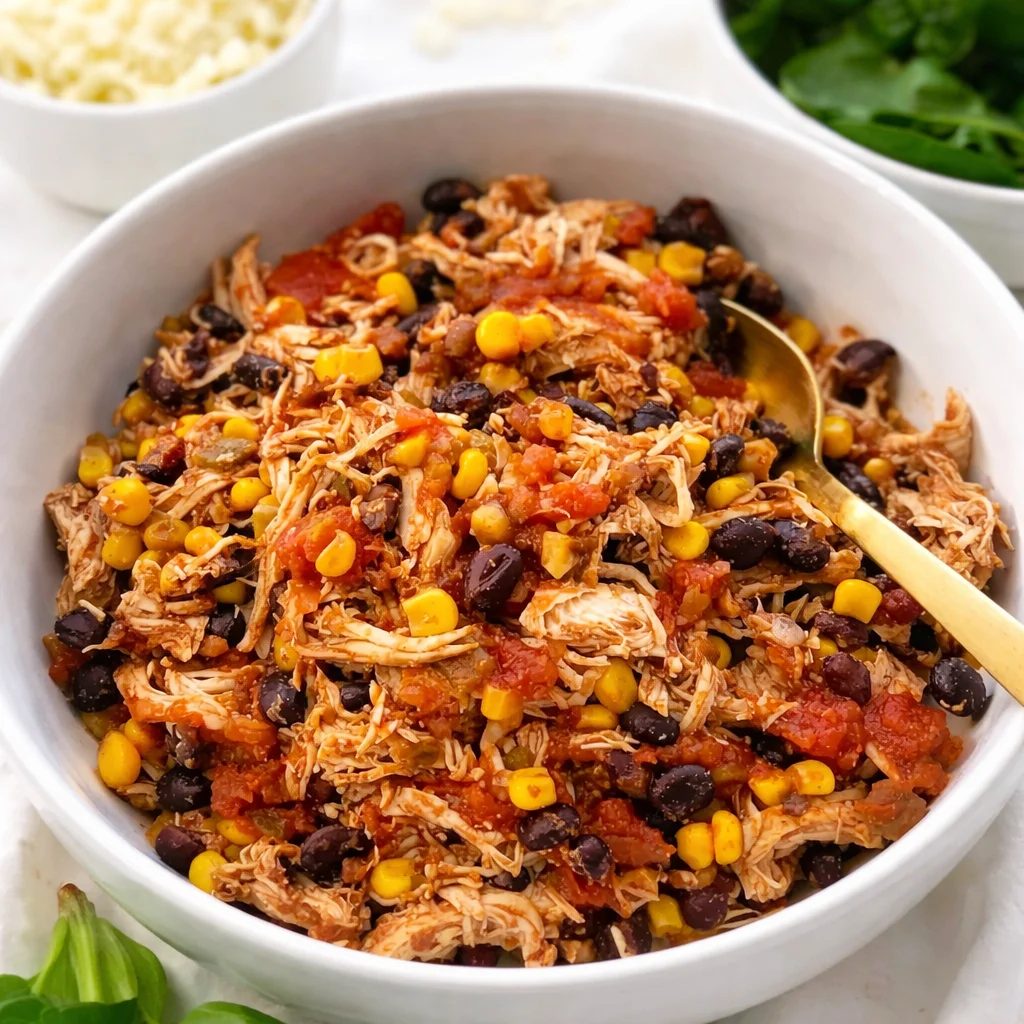
You know what makes meal prep feel overwhelming? Those recipes that require seventeen different ingredients, half of which you’ll use once and then they’ll sit in your pantry for the next three years. That’s not practical for real life.
The five-ingredient approach strips meal prep down to its essentials. You’re working with simple, whole foods that you can find at any grocery store: a protein, a fat, 2-3 vegetables, and your seasonings. That’s it. No specialty sauces, no hard-to-find ingredients, no complicated techniques.
What’s brilliant about this method is how it reduces decision fatigue. Instead of scrolling through Pinterest for hours trying to find the perfect recipe with the perfect combination of ingredients, you just need to answer a few simple questions: What protein do I want? What vegetables do I have or are on sale? What fat will I cook with? How will I season this?
This isn’t about eating boring food it’s about discovering that really delicious meals don’t require complicated ingredient lists. Some of my family’s favorite dinners are literally just chicken thighs roasted with broccoli and garlic. Ground beef sautéed with cabbage and onions. Pork chops with roasted Brussels sprouts. Simple, satisfying, affordable, and you can prep these in your sleep once you get the hang of the framework.
Family-Size Meal Prep Strategies
Feeding a family while trying to eat healthier yourself requires different strategies than solo meal prep. These methods scale up efficiently and keep everyone happy.
7. Family-Size Low-Carb Meal Prep
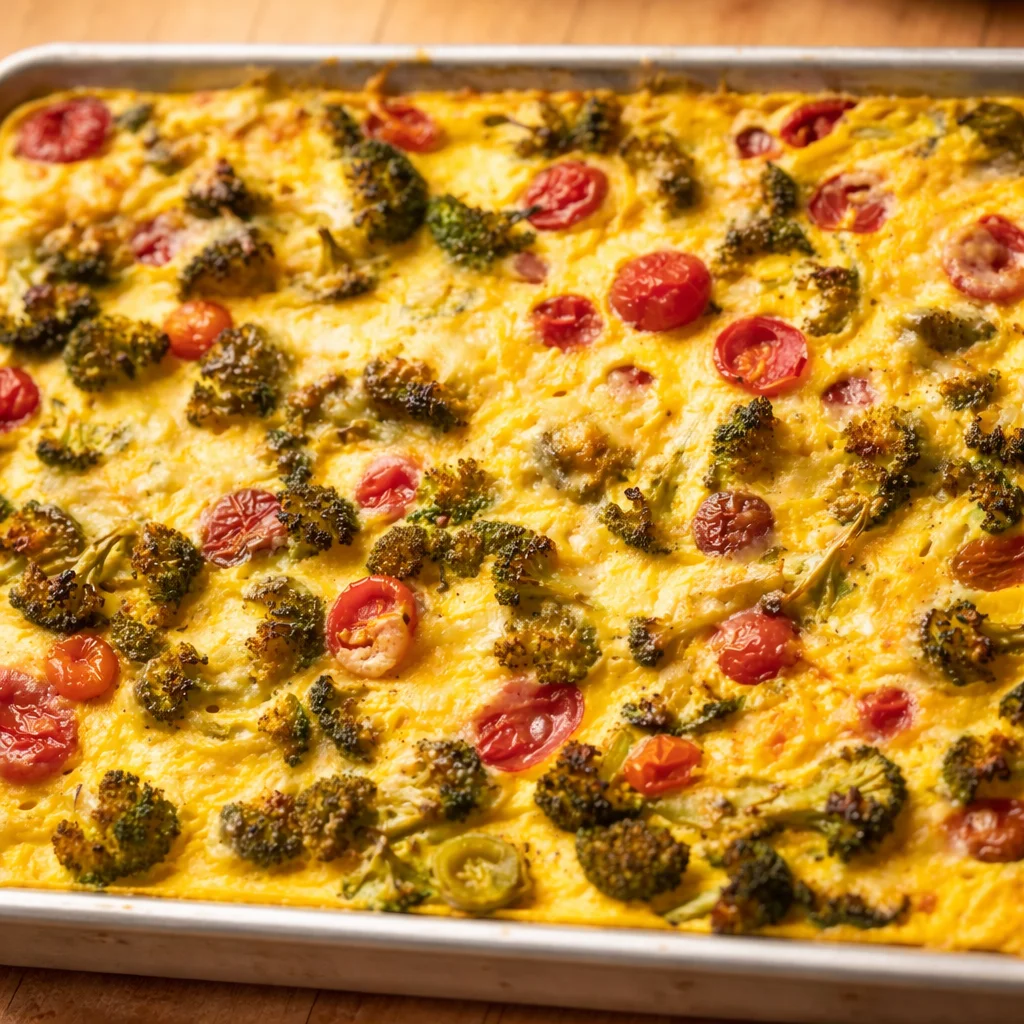
Here’s the scenario that used to stress me out constantly: I’d want to eat low-carb for my own health goals, but my kids needed more calories and my partner wasn’t interested in “dieting.” So I’d end up making three different meals or feeling guilty about forcing my food choices on everyone else.
The solution isn’t making separate meals it’s building flexible base recipes that can be customized at serving time. You make one big batch of taco-seasoned ground beef. For you, it goes over cauliflower rice or in a lettuce wrap. For your kids, you might add some rice or serve it in a tortilla. Same protein, different bases, everyone’s happy.
This approach recognizes that family meal prep isn’t just about food it’s about reducing the mental load of constantly trying to please everyone. When you have a system where one base recipe transforms into multiple meals, you’re not spending your whole life in the kitchen making custom orders like you’re running a restaurant.
The guide focuses on batch-cooking proteins and vegetables that everyone can agree on, then offering customizable toppings and sides. Rotisserie chicken becomes the base for chicken caesar salads (for you), chicken quesadillas (for the kids), and chicken veggie bowls (for your partner). One cooking session, multiple happy meals, zero arguments.
8. Freezer-Friendly Low-Carb Casserole
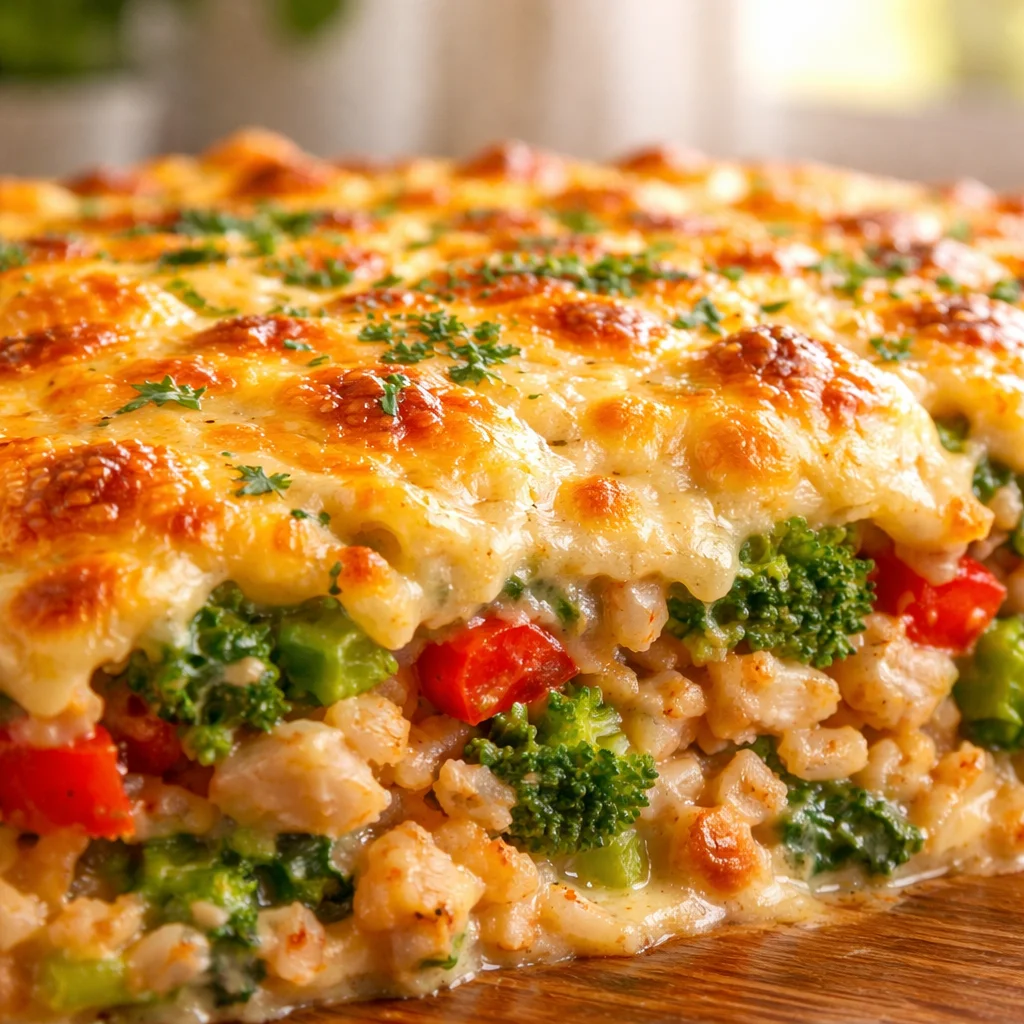
There are weeks when even your best meal prep intentions fall apart. Someone gets sick. Work gets crazy. The car needs unexpected repairs and suddenly you’re stressed and exhausted and the last thing you want to do is cook.
That’s exactly when having a freezer full of ready-to-bake casseroles saves you from ordering pizza for the third time this week. These aren’t your grandma’s carb-heavy casseroles loaded with noodles and condensed soup. These are protein and vegetable-packed dishes that freeze beautifully and taste just as good as the day you made them.
The strategy here is doubling recipes. When you’re already making a casserole for dinner tonight, it takes maybe ten extra minutes to make a second one for the freezer. You’re already doing the prep work, already cleaning up one mess might as well get two meals out of it. This is what I call “future you” meal prep, and future you will be so grateful when you can pull a homemade casserole out of the freezer on a chaotic Wednesday.
This guide covers everything from proper freezing techniques (so you don’t end up with freezer burn) to reheating methods (so it doesn’t come out dry or rubbery). It’s about building your freezer arsenal of backup meals so you always have a healthy option, no matter how crazy life gets.
High-Protein Meal Prep Approaches
For those focused on weight loss, muscle building, or just staying satisfied throughout the day, these high-protein strategies deliver serious results.
9. High-Protein Low-Carb Meal Prep
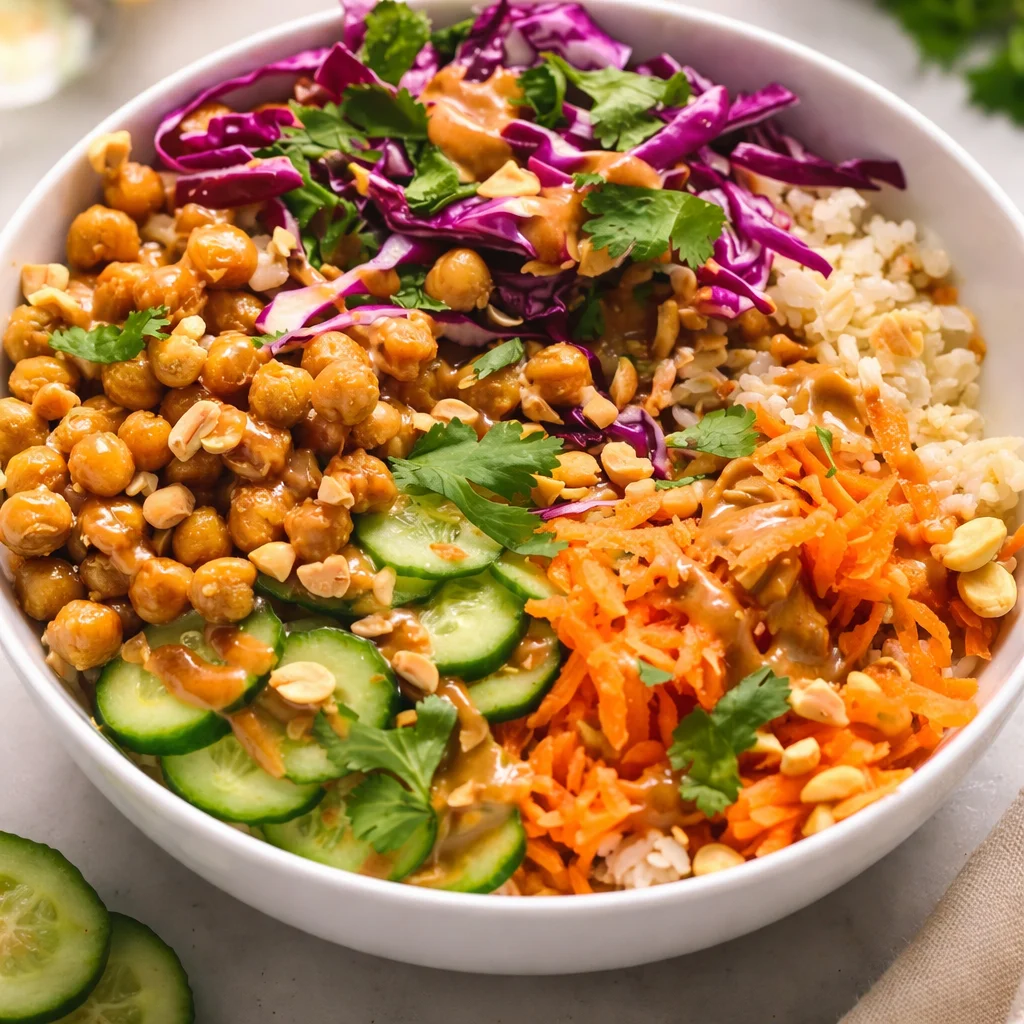
Let me share something that completely changed my approach to meal prep: when I started prioritizing protein in every meal, everything got easier. I stopped snacking constantly. I stopped thinking about food every two hours. I had consistent energy instead of the afternoon crash that used to hit me like clockwork.
High-protein low-carb meal prep focuses on hitting at least 25-30 grams of protein per meal, which is the amount research suggests is optimal for muscle maintenance and satiety. This isn’t about chugging protein shakes or eating nothing but chicken breast it’s about strategically building meals around quality protein sources.
The guide teaches you how to calculate your protein needs based on your goals, then shows you practical ways to hit those targets without spending a fortune or eating boring food. We’re talking about incorporating eggs (6-7 grams each), Greek yogurt (15-20 grams per cup), cottage cheese (14 grams per half cup), and various meats and fish into meals that actually taste good.
What makes this especially powerful for weight loss is that protein is the most satiating macronutrient. When you’re eating enough protein, you’re not white-knuckling your way through hunger. You’re genuinely satisfied, which makes the whole process of eating healthier actually sustainable instead of something you can only do for a few weeks before you crack.
10. Low-Carb Chicken Meal Prep Bowls
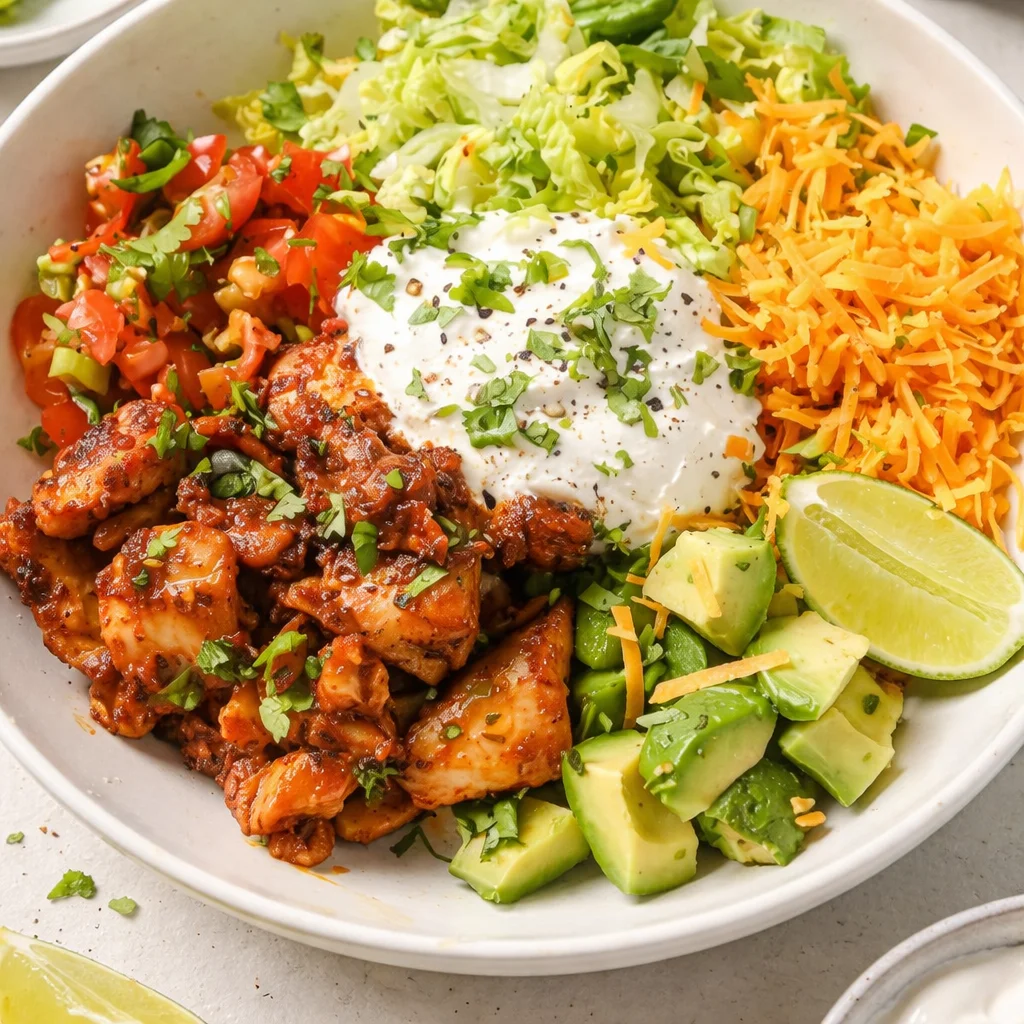
Bowl-based meal prep is genius for one simple reason: it’s infinitely customizable. You’re not eating the exact same meal five days in a row you’re mixing and matching components to create different flavor combinations throughout the week.
The framework is simple: pick a base (cauliflower rice, zucchini noodles, or just a bed of greens), add your protein (in this case chicken, which is affordable and universally liked), pile on the vegetables (roasted, raw, or both), add healthy fats (avocado, nuts, cheese, dressing), and finish with your flavor profile (Mexican, Asian, Mediterranean, whatever you’re craving).
Here’s why this works so well: you can prep all the components separately on Sunday, then assemble different combinations throughout the week. Monday’s bowl might be southwest chicken with cauliflower rice, black beans, salsa, and avocado. Wednesday’s bowl could be Asian-inspired with the same chicken but different seasonings, served over cabbage slaw with sesame dressing. Same protein, completely different meal experience.
This approach prevents the meal prep boredom that makes people quit after two weeks. You’re getting variety without doing the work of preparing ten completely different recipes. It’s the sweet spot between efficiency and not feeling like you’re eating leftovers for every single meal.
Low-Carb Meal Prep Method Comparison
Not sure which approach is right for you? Here’s a quick comparison to help you decide based on your priorities:
| Method | Prep Time | Budget-Friendly? | Family-Friendly? | Freezer-Friendly? | Best For |
|---|---|---|---|---|---|
| Mason Jar Lunches | 20 min | $$ | Maybe | No | Solo professionals, work lunches |
| Egg Muffins | 30 min | $$$ | Yes! | Yes | Busy mornings, families with kids |
| Beef & Pork Prep | 45 min | $$ | Yes | Yes | Chicken fatigue, protein variety |
| Freezer Casserole | 60 min | $$ | Yes | Yes! | Backup meals, chaotic schedules |
| $50 Budget Plan | 90 min | $$$ | Yes | Yes | Tight budgets, cost-conscious |
| Chicken Bowls | 60 min | $$ | Yes | Partial | Variety seekers, lunch & dinner |
| Family-Size Prep | 75 min | $$ | Yes! | Yes | Feeding multiple people |
| One-Pan Sheet | 40 min | $$ | Yes | Partial | Minimal cleanup, simplicity |
| High-Protein | 60 min | $$ | Maybe | Yes | Weight loss, muscle building |
| 5-Ingredient | 30 min | $$$ | Yes | Yes | Decision fatigue, meal prep newbies |
The Sunday Meal Prep Workflow That Actually Works
Here’s the system I use every Sunday to set myself up for the week. Total time: about 90 minutes. Impact on my week: immeasurable.
10:00 AM – Planning (10 minutes)
I check what I already have in the fridge and freezer. No sense buying ingredients I already have. I look at what proteins are on sale this week. I decide which 2-3 recipes I’m making based on what sounds good and what fits my schedule for the week.
10:10 AM – Grocery Shopping (30 minutes)
With my short list in hand, I hit the store. I’m not wandering aimlessly I know exactly what I need. In and out in 30 minutes or less.
11:00 AM – Batch Cooking (50 minutes)
Everything goes in the oven or on the stovetop at once. Sheet pans go in the oven. Proteins get grilled or baked. Vegetables get chopped and roasted. I’m working on multiple things simultaneously, not one recipe at a time.
11:50 AM – Assembly & Storage (10 minutes)
Everything gets portioned into containers. Mason jars get filled. Casseroles get wrapped for the freezer. Labels go on everything so I know what’s what.
12:00 PM – Done
My fridge is stocked for the week. My freezer has backup meals. I have lunches ready to grab. Dinners are mostly assembled. And I still have my entire Sunday afternoon to do whatever I want.
Frequently Asked Questions About Low-Carb Meal Prep
How long does low-carb meal prep last in the fridge?
Can I freeze all low-carb meal prep? What’s the cheapest low-carb meal prep option? How do I meal prep for low-carb if I’m a beginner? Do I need special containers for meal prep? How do I keep meal prep from getting boring? Can I meal prep if I’m feeding a family?
How long does low-carb meal prep last in the fridge?
Most properly stored low-carb meal prep lasts 4-5 days in the fridge. Cooked proteins like chicken, beef, and pork stay good for 4 days. Hard-boiled eggs last up to 7 days. Raw vegetables start to decline after about 5 days, but roasted vegetables hold up better. The key is using airtight containers and keeping your fridge at 40°F or below. If you’re prepping for longer than 5 days, freeze half of your batch and thaw it midweek for the best quality and safety.
Can I freeze all low-carb meal prep?
Most low-carb meals freeze beautifully casseroles, soups, cooked proteins, and egg muffins all do great in the freezer for up to 3 months. However, some things don’t freeze well: raw vegetables get mushy when thawed (though cooked vegetables are fine), cream-based sauces can separate, and anything with a lot of moisture like mason jar salads should stay in the fridge. My rule of thumb: if it’s cooked and not mostly water, it’ll probably freeze fine. Always cool food completely before freezing, use freezer-safe containers, and label everything with the date.
What’s the cheapest low-carb meal prep option?
The most budget-friendly approach is the $50 weekly plan combined with the 5-ingredient method. Focus on affordable proteins like eggs ($3-4 per dozen), chicken thighs (often $1.99/lb on sale), and ground beef when it’s marked down. Buy frozen vegetables instead of fresh they’re just as nutritious and significantly cheaper. Skip specialty “low-carb” products and stick to whole foods. The real savings come from eating at home instead of ordering out even a moderately expensive home-cooked meal costs less than fast food when you break it down per serving.
How do I meal prep for low-carb if I’m a beginner?
Start simple with just one or two methods instead of trying to prep your entire week at once. Egg muffins and mason jar salads are the easiest entry points because they don’t require advanced cooking skills. Pick one Sunday, block off 60-90 minutes, and prep just your lunches for the week. Once that becomes routine and feels manageable, add breakfast prep. Then add dinner prep. The biggest mistake beginners make is trying to do too much at once and getting overwhelmed. Build the habit gradually, and you’ll be way more likely to stick with it.
Do I need special containers for meal prep?
You don’t need expensive specialty containers, but good quality storage does make a difference. I recommend glass containers with snap-on lids (they don’t stain or hold smells like plastic, and they last forever), mason jars for salads and overnight oats, and some disposable aluminum pans for freezer casseroles. Avoid thin plastic containers that warp in the microwave or freezer. The investment in decent containers pays for itself quickly because your food stays fresh longer and you’re not constantly replacing cheap containers that crack or don’t seal properly.
How do I keep meal prep from getting boring?
Variety comes from rotating your proteins (don’t eat chicken seven days straight), changing up your seasonings (Mexican one day, Asian the next, Italian after that), and using the bowl method where you mix and match components. I also recommend prepping half portions instead of making enough chicken bowls for the entire week, make enough for 3 days, then prep something different midweek. It’s still meal prep, you’re just breaking it into two smaller sessions so you get more variety. Also, don’t underestimate the power of different sauces the same grilled chicken tastes completely different with buffalo sauce versus teriyaki versus pesto.
Can I meal prep if I’m feeding a family?
Absolutely, and it’s actually easier in some ways because you can do larger batches. The family-size meal prep method is specifically designed for this you’re making base recipes that can be customized at serving time so everyone’s happy. The key is involving your family in the process. Let kids help with simple tasks like washing vegetables or assembling their own lunch containers. When people have ownership over their food, they’re more likely to actually eat it. Also, don’t make the mistake of trying to force your whole family into your exact eating style provide options and let people build their own plates.
Finding Your Meal Prep System
Here’s the truth about meal prep that nobody tells you: there’s no one “right” way to do it. The best meal prep system is the one you’ll actually use consistently, not the one that looks perfect on Instagram or the one your coworker swears by.
Maybe you’re a busy professional who just needs grab-and-go lunches, and mason jars are your solution. Maybe you’re a parent feeding multiple people with different preferences, and the family-size customizable approach makes sense. Maybe you’re on a tight budget and the $50 plan is exactly what you need. Or maybe you’re just getting started and the 5-ingredient method feels manageable.
All of these methods work. The question isn’t which one is “best” it’s which one fits your actual life, your actual schedule, your actual budget, and your actual family situation. Start with what sounds most doable to you right now. You can always try different approaches later. The goal is to find a sustainable system that reduces your stress instead of adding to it.
Because at the end of the day, meal prep isn’t really about the food. It’s about giving yourself the gift of not having to make food decisions when you’re already exhausted. It’s about knowing that no matter how chaotic your week gets, you have healthy options ready to go. It’s about taking one thing off your plate (pun intended) so you have more energy for everything else in your life that matters.
Ready to Transform Your Week?
I’d love to hear which meal prep method you’re planning to try first! Drop a comment below and let me know, or if you’re already meal prepping, share what’s working for you your experience might help someone else who’s just getting started.
Want more practical meal prep strategies and low-carb recipes delivered to your inbox? Join the LowCarbGlow community by subscribing to our weekly newsletter. You’ll get exclusive meal prep tips, printable grocery lists, and real-talk advice about making healthy eating work in actual busy lives. Plus, new subscribers get my free “Meal Prep Beginner’s Toolkit” with container size guides and portion charts.
Here’s to fewer chaotic weeknight dinners and more time for the things that actually matter. You’ve got this.
Additional Meal Prep Resources
Looking for more expert guidance on meal planning and healthy eating? Check out these trusted resources:
- Academy of Nutrition and Dietetics: Meal Prep Tips – Evidence-based strategies from registered dietitians
- Harvard Health: The Healthy Eating Plate – Research-backed nutrition guidance from Harvard Medical School
- Diet Doctor’s Low-Carb Meal Plans – Medically reviewed low-carb meal planning resources
Disclaimer: The information in this article is for educational purposes only and is not intended as medical or nutritional advice. Always consult with your healthcare provider before making significant dietary changes, especially if you have underlying health conditions or are taking medications.