
Stay Connected with Low Carb Glow

The Complete Low-Carb Meal Prep Guide: Systems, Recipes & Time-Saving Strategies (2026)

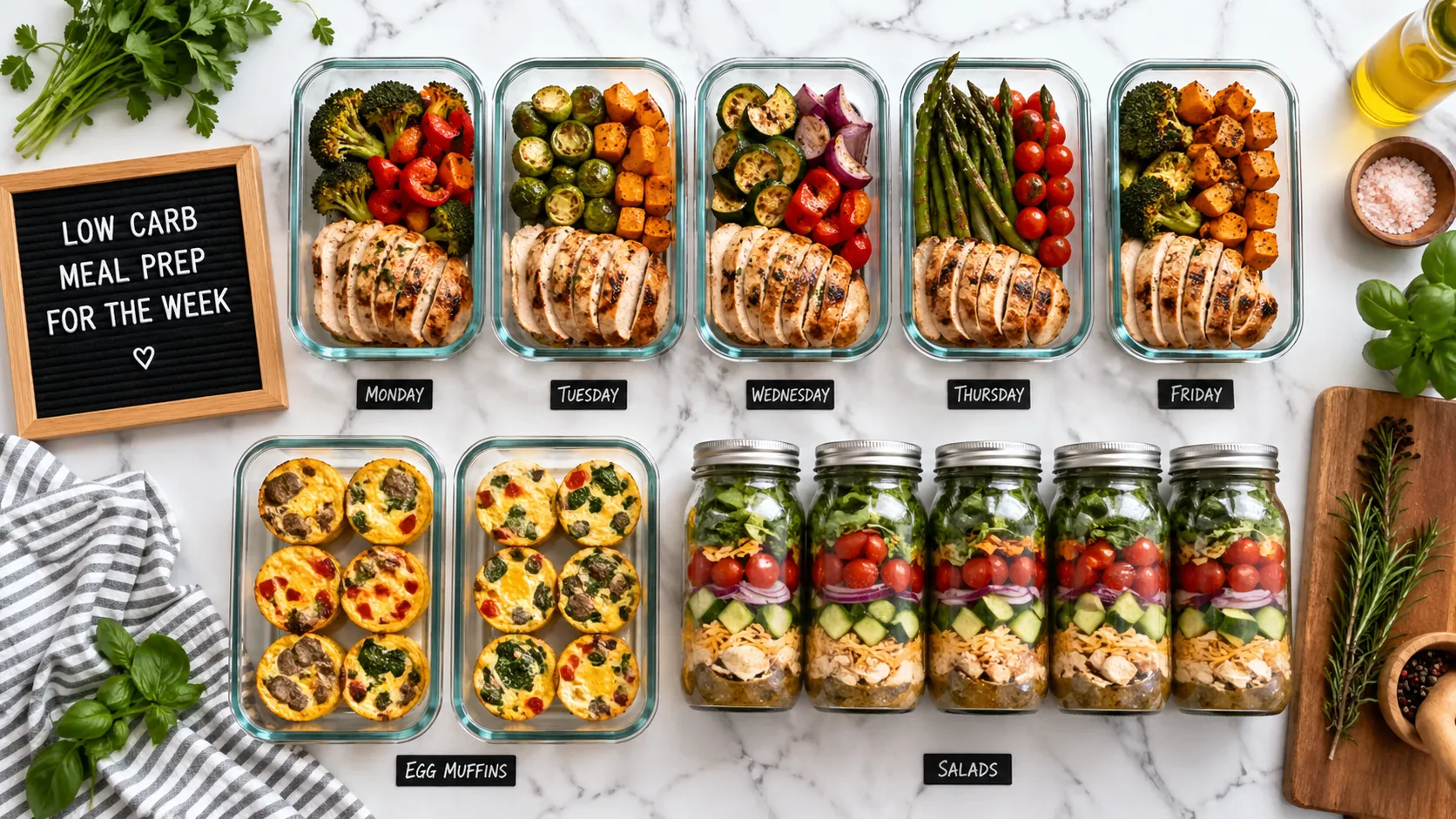
What you’ll learn in this guide
- The exact Sunday system that produces 5 days of low-carb meals in under 90 minutes
- Which proteins, vegetables, and sauces to batch-cook for maximum variety
- How to build a freezer stash that saves you on the worst weeknights
- Budget strategies to keep weekly low-carb meal prep under $50
- 11 tested recipes organised by prep time and difficulty
Three years ago, Sunday nights used to fill me with dread. Not because I didn’t know how to cook I did. But knowing how to cook and actually having food ready for a full week with two kids, a full-time job, and zero energy by Thursday are two completely different problems.
I was good at starting the week strong. Monday: grilled chicken, roasted vegetables, feeling like I had everything under control. By Wednesday: drive-through. By Friday: cereal. Not because I wanted to eat that way but because the system I had wasn’t really a system at all. It was just good intentions that ran out of steam.
Low-carb meal prep changed that. Not because it’s magic, but because it forced me to think in systems instead of individual meals. When you cook once and eat multiple times, everything gets easier. The decision fatigue disappears. The “what’s for dinner” panic goes away. And you stop spending $200 a week on food that mostly goes to waste.
This is the complete guide to low-carb meal prep built around the system I’ve actually used, tested with real families, and refined over three years of figuring out what works when life is genuinely busy. Not Pinterest-perfect meal prep. Realistic meal prep that holds up when your Thursday self is exhausted and hungry.
Why Low-Carb Meal Prep Works Better Than Regular Meal Prep
Meal prep works for any eating style but low-carb meal prep has some specific advantages that make it particularly well-suited to the weekly batch-cooking approach.
Proteins hold better. Grilled chicken, roasted beef, cooked ground turkey these all refrigerate and reheat beautifully without the texture degradation you get with pasta or rice-based meals. A batch of well-seasoned ground beef cooked Sunday is just as good on Friday.
Vegetables roast and keep well. Roasted broccoli, cauliflower, Brussels sprouts, and zucchini all hold their texture through the week far better than boiled or steamed versions. A sheet pan of roasted vegetables on Sunday becomes five different sides depending on what sauce you add.
Fat-based sauces don’t separate. Creamy low-carb sauces avocado crema, tahini dressing, garlic butter stay stable in the refrigerator in ways that carb-heavy sauces often don’t. This means your meal prep lunches still taste intentional on day four instead of sad.
You eat less overall. High-protein, high-fat low-carb meals are genuinely more satiating per calorie than carb-heavy alternatives. This means your prepped portions stay appropriate you’re not reaching for more two hours after eating because your blood sugar crashed. Research shows meal planning significantly improves dietary adherence and satiety is a big reason why.
The Core Low-Carb Meal Prep System
Before we get to specific recipes, here’s the framework. Every successful low-carb meal prep week I’ve ever had follows this same basic structure regardless of what I’m actually cooking.
The 4-Component Method
Think of each meal prep session as building four interchangeable components rather than five complete separate meals. Mix and match them across the week for variety without cooking more than once.
| Component | Examples | Prep time | Keeps |
|---|---|---|---|
| Protein base | Grilled chicken thighs, ground beef, hard-boiled eggs, cooked shrimp | 20–30 min | 4–5 days |
| Roasted vegetables | Broccoli, cauliflower, zucchini, Brussels sprouts, bell peppers | 25–35 min | 4–5 days |
| Sauce/fat layer | Garlic butter, avocado crema, tahini, pesto, buffalo sauce | 5–10 min | 5–7 days |
| Grab-and-go snacks | Egg muffins, cheese crisps, fat bombs, trail mix portions | 20–30 min | 5 days / freezer |
On any given day, you pull one protein + one vegetable + one sauce and you have a complete meal that took zero cooking time. Change the sauce and it tastes like a different meal. Add an egg and it becomes breakfast. Put it in a jar and it becomes a work lunch. Same four components, endless variety.
The 90-Minute Sunday Protocol
Here’s the exact sequence I use every Sunday. The key is running everything in parallel oven and stovetop simultaneously so you’re never just waiting.
0:00 Preheat oven to 425°F, start the kettle or broth
While the oven heats, take everything out of the refrigerator. Cold proteins cook unevenly letting them sit at room temperature for 15 minutes while you prep makes a real difference.
0:10 Sheet pan vegetables in the oven
Toss two sheet pans of vegetables with olive oil, salt, and pepper. Into the oven. Set a 25-minute timer. These cook themselves while you work on everything else.
0:15 Start your slow protein
If you’re doing a slow cooker recipe pulled pork, beef stew, shredded chicken get it in now. It runs in the background for 4–6 hours and you forget about it.
0:20 Egg muffins in the oven
Mix your egg muffin base, fill the tin, put it in the oven alongside the vegetables. They take 20 minutes and come out perfectly timed with the first vegetable rotation.
0:25 Stovetop protein
While the oven is doing its work, cook your main stovetop protein ground beef, chicken thighs, shrimp. This is the highest-attention task so it gets your focus while everything else runs passively.
0:45 First oven rotation
Pull egg muffins and first sheet pan. Swap in second sheet pan or anything that needs finishing. Start portioning the first completed items into containers.
1:00 Sauce and assembly
Make any sauces or dressings. Start assembling containers protein + vegetables + sauce, portioned for each day. Label with masking tape and a marker.
1:30 Everything in the fridge or freezer
Containers cooled, labelled, stacked. Week is done.
The Complete Low-Carb Meal Prep Recipe Collection
Here are all 11 tested low-carb meal prep recipes from LowCarbGlow, organised by what you need from them.
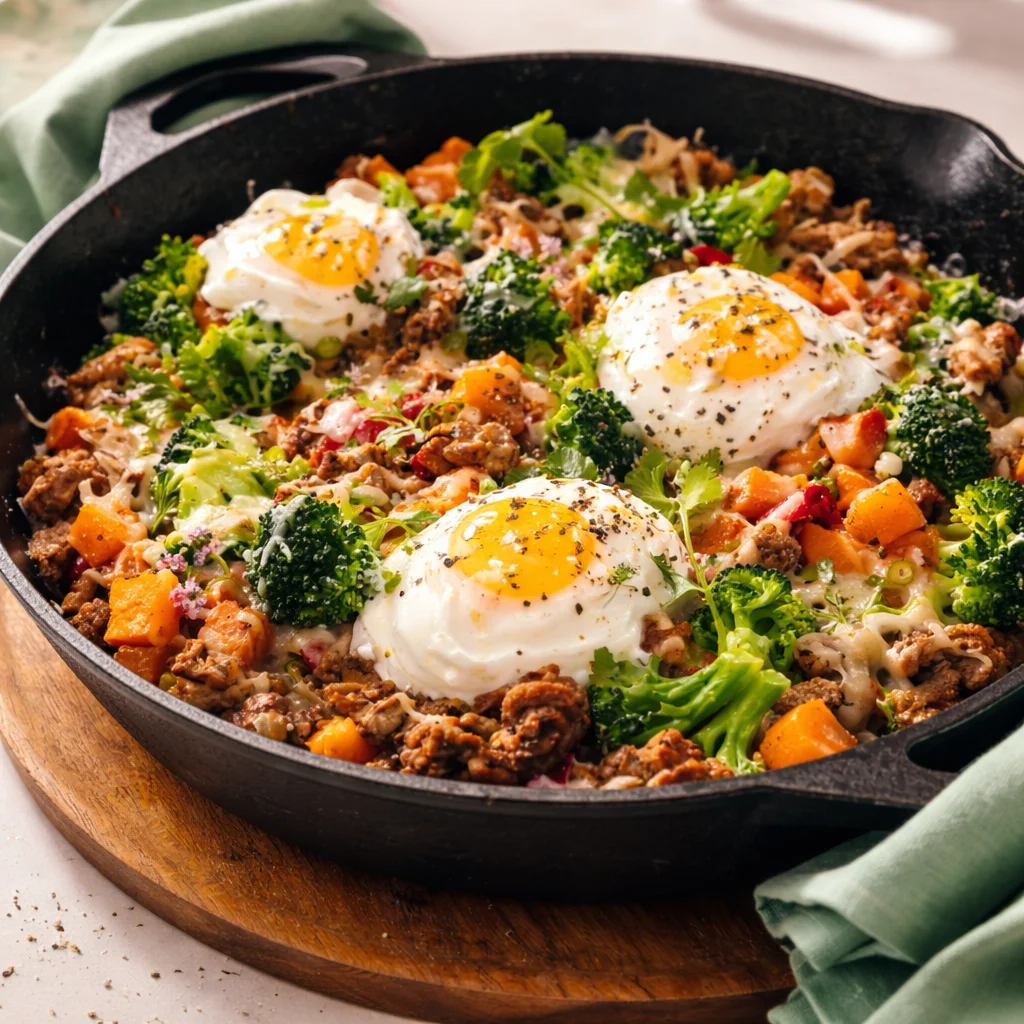
Complete Systems Full Week of Meals
These are the comprehensive guides each one gives you a complete weekly prep plan, not just a single recipe.
10 Low-Carb Meal Prep Ideas That Save Time & Money
The flagship meal prep guide on LowCarbGlow 10 complete ideas covering breakfasts, lunches, dinners, and snacks with full shopping lists and prep schedules. Jordan’s most comprehensive week-of-meals system, built for people who want a proven framework rather than individual recipes. If you’re new to low-carb meal prep, start here. By Jordan Blake.
Low-Carb Meal Prep for Families
The family-specific system designed for households where not everyone is eating low-carb, where portion sizes vary, and where kids have opinions about food. Covers how to batch-cook components that work for both low-carb and non-low-carb family members without cooking two separate meals. The most practical guide on the site for parents. By Chloe Peterson.
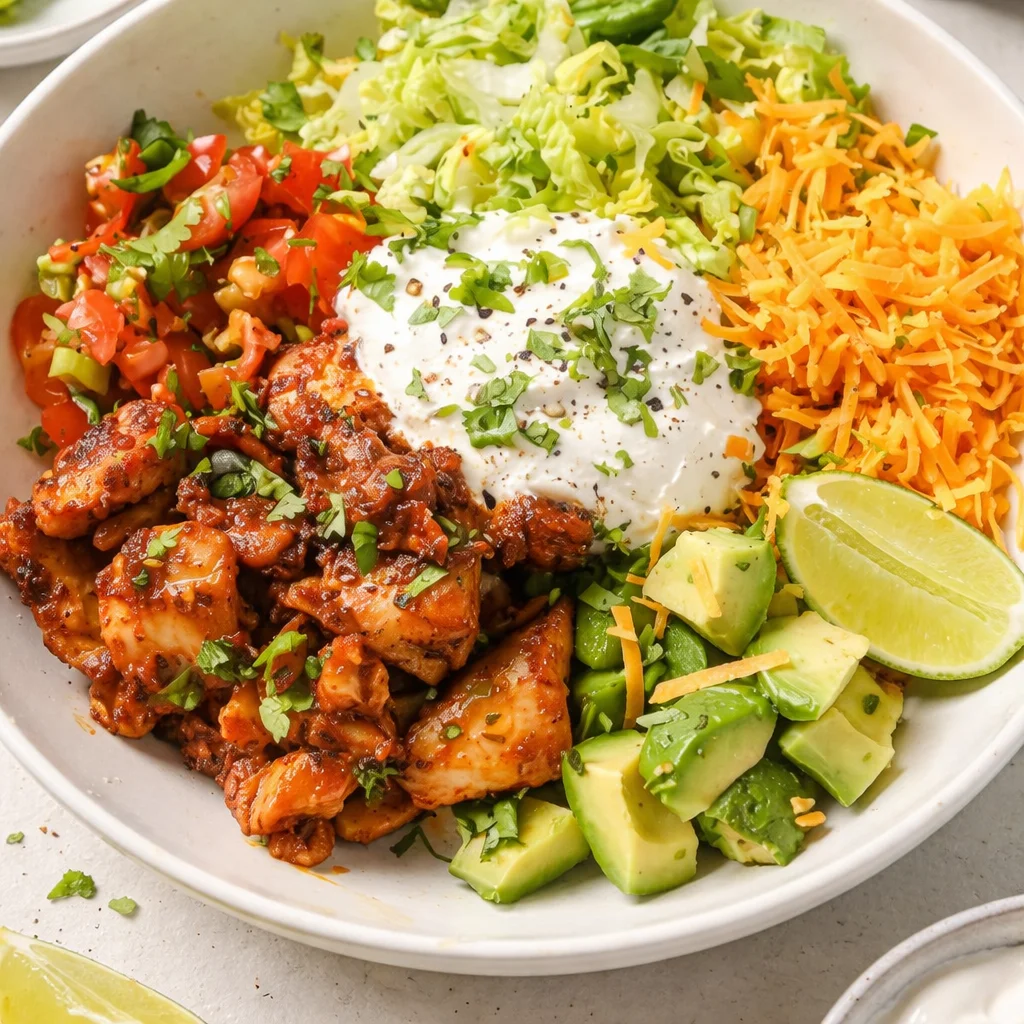
Protein-Focused Prep When Protein Is Your Priority
Protein is the foundation of every successful low-carb week. These recipes focus on getting your protein base right batch-cooked, well-seasoned, and versatile enough to use across multiple meals.
High-Protein Low-Carb Meal Prep
Built specifically for anyone prioritising muscle maintenance, satiety, or body recomposition alongside low-carb eating. Hits the USDA dietary guidelines for protein across every meal without requiring you to eat plain grilled chicken five days in a row. Includes a full macro breakdown per prep container. By Jordan Blake.
Low-Carb Beef & Pork Meal Prep (No Chicken)
For everyone who’s hit the grilled chicken wall. This system builds an entire week’s worth of protein around beef and pork ground beef taco bowls, pulled pork, beef-stuffed peppers without a single chicken breast in sight. Proof that low-carb meal prep doesn’t have to mean the same protein every day. By Chloe Peterson.
Low-Carb Chicken Meal Prep Bowls
The chicken prep done properly three different marinades, two cooking methods, and five completely different bowl builds from the same base protein. This is how you keep chicken interesting through a full week. The lemon herb and the spicy buffalo variations are particularly popular with the LowCarbGlow community. By Elena Martinez.
Budget Meal Prep Under $50 for the Week
Low-carb eating has a reputation for being expensive. It doesn’t have to be and these guides prove it with actual grocery lists and real cost-per-serving calculations.
Budget Low-Carb Meal Prep ($50 for the Week)
The most-requested guide on LowCarbGlow a complete week of low-carb meals for a family of four, keeping the total grocery spend under $50 using Walmart and Aldi staples. Every recipe is built around affordable proteins (eggs, ground beef, chicken thighs) and seasonal produce. Includes the exact shopping list with current prices. By Jordan Blake.
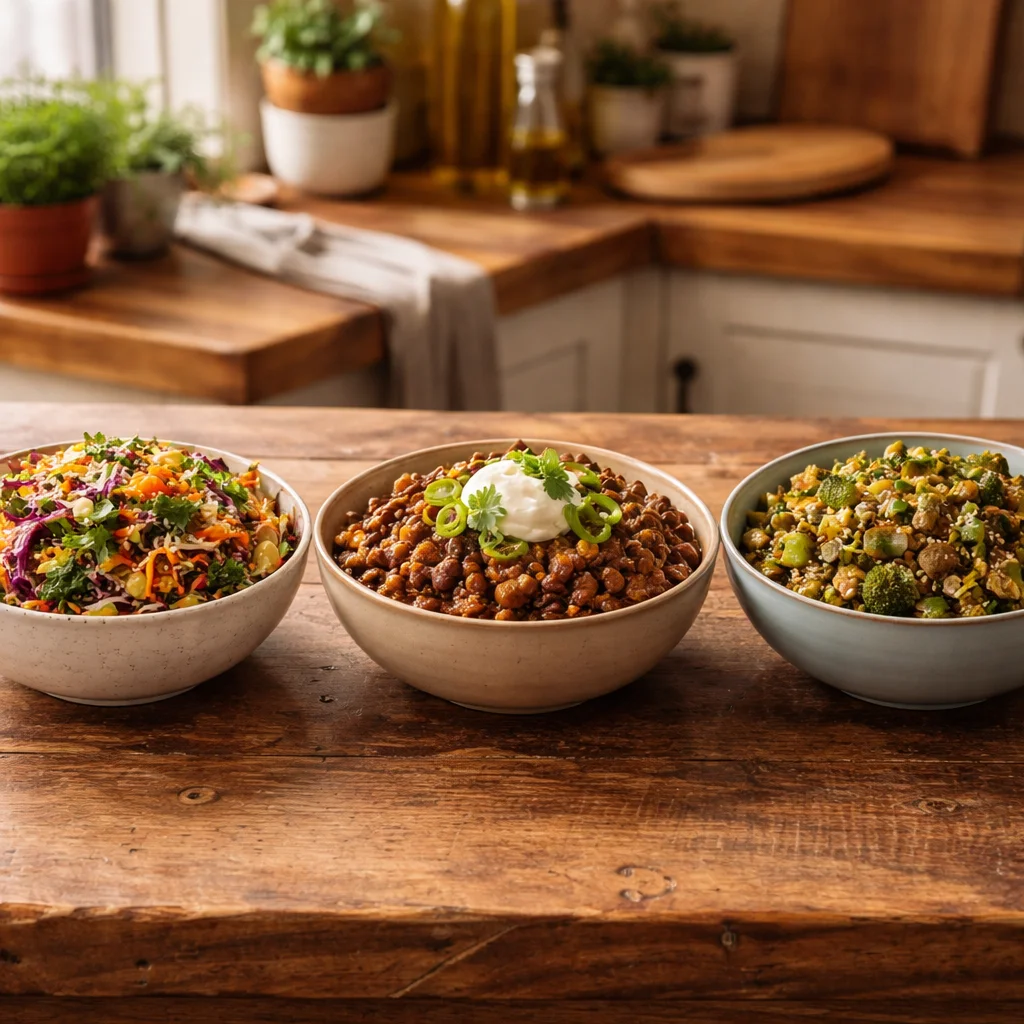
Freezer Meal Prep Cook Once, Eat for Months
The freezer is the most underused tool in any meal prep system. A well-stocked low-carb freezer means you always have a real meal available even on the nights when cooking feels impossible.
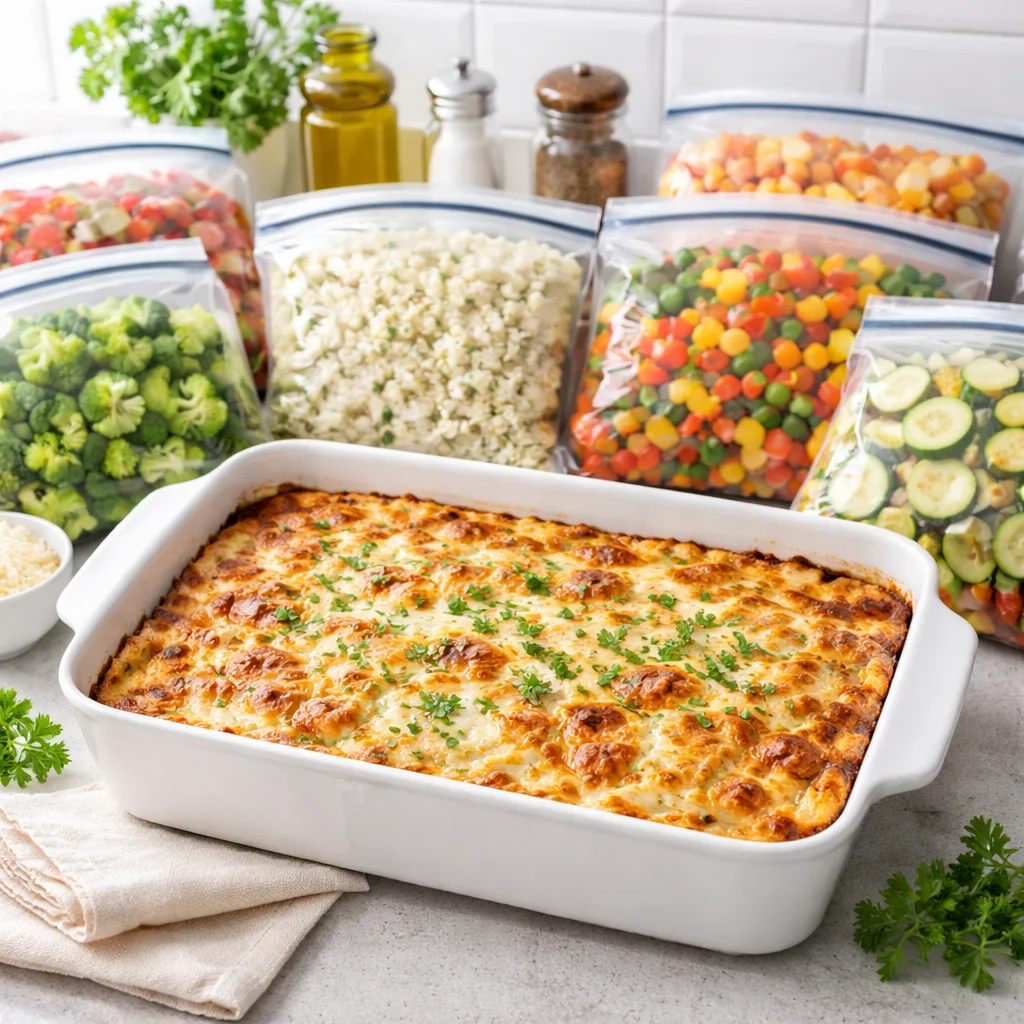
Freezer-Friendly Low-Carb Casseroles
Six casserole recipes designed specifically for freezing and reheating without quality loss chicken broccoli bake, zucchini beef casserole, cauliflower bacon gratin, and more. Each recipe doubles easily so you can make two and freeze one. The prep notes include exact freezing, thawing, and reheating instructions for each dish. By Maya Reynolds.
Specific Meal Type Prep
Sometimes you don’t need a full week system you just need a specific meal type sorted. These guides focus on one meal category done really well.
Egg Muffin Low-Carb Breakfast Prep

Batch-cooking breakfast is one of the highest-return meal prep moves you can make mornings are the hardest time to cook, and having 12 egg muffins in the fridge removes the decision entirely. This guide covers six different egg muffin variations, make-ahead storage, and how to reheat them without the rubbery texture that puts people off. By Elena Martinez.
Mason Jar Low-Carb Lunch Prep
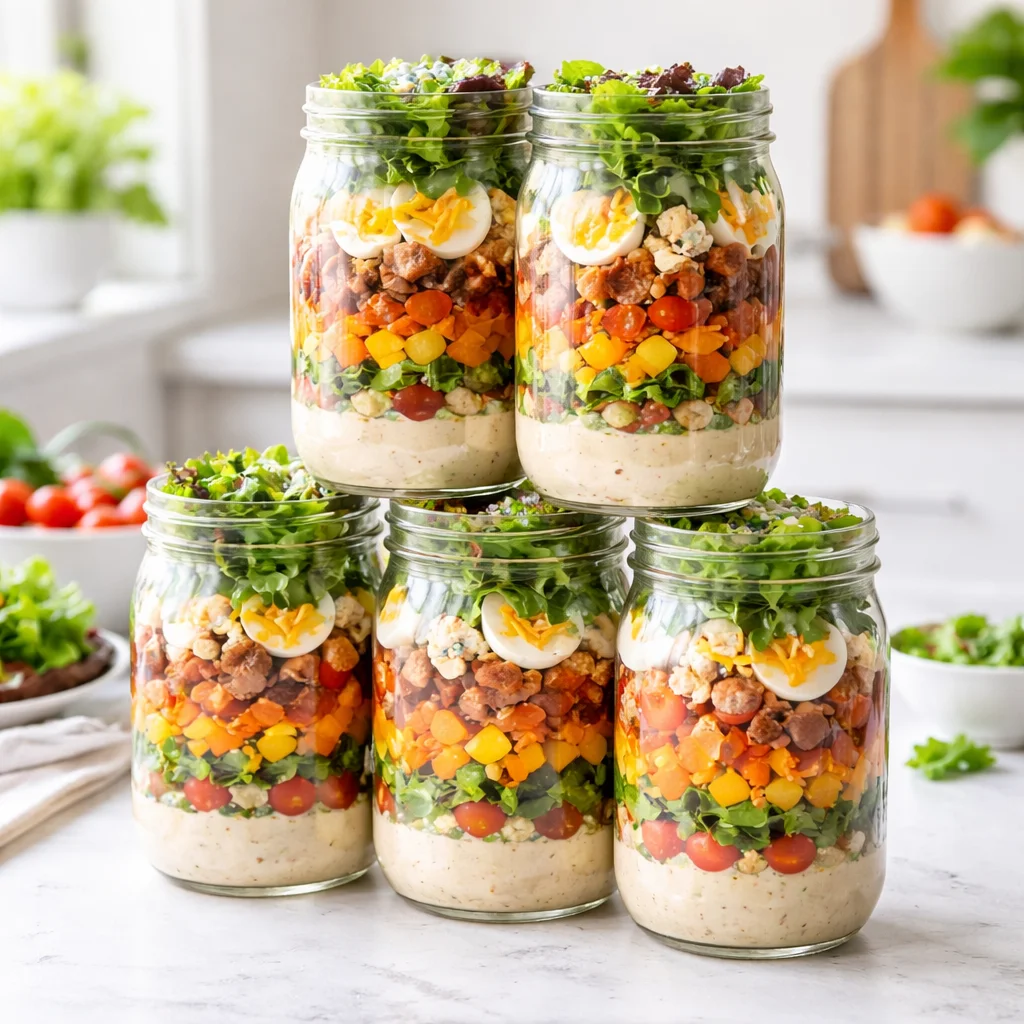
The mason jar lunch system layered salads and grain-free bowls that stay fresh for 4–5 days without getting soggy. The layering order matters enormously (dressing at the bottom, greens on top) and this guide covers the exact sequence for seven different lunch combinations. Perfect for work lunches that actually look and taste like something you’d order at a restaurant. By Jordan Blake.
One-Pan Low-Carb Meal Prep
For anyone who wants meal prep with minimum washing up. Everything goes on one sheet pan protein and vegetables together, roasted simultaneously, portioned directly into containers. The timing guide ensures nothing overcooks. Ideal for people new to meal prep who want to start simple before building to a more complex system. By Maya Reynolds.
5-Ingredient Low-Carb Meal Prep
The stripped-back system every recipe uses five ingredients or fewer, which dramatically reduces shopping complexity, decision fatigue, and prep time. Ideal for the weeks when life is genuinely overwhelming and you just need something simple that works. Proof that effective low-carb meal prep doesn’t require complicated recipes or exotic ingredients. By Elena Martinez.
Low-Carb Meal Prep Mistakes And How to Fix Them
Most people who try meal prep and give up aren’t failing because they lack discipline. They’re making one of a handful of fixable mistakes. Here are the ones I see most often and exactly how to correct them.
Mistake 1: Cooking everything fully before storing.
Vegetables that are fully cooked on Sunday become mushy and unappetising by Thursday. The fix: undercook your vegetables by about 20% pull them from the oven when they’re just shy of done. They’ll finish cooking during reheating and arrive at the right texture when you actually eat them. This is especially important for broccoli and zucchini, which go soft fast.
Mistake 2: Storing sauces mixed into meals.
Creamy sauces break down and get absorbed over several days, turning your carefully prepped meal into a soggy mess. Store sauces separately in small containers or mason jars and add them at eating time. Takes 30 extra seconds and makes a significant difference in quality on day four.
Mistake 3: Prepping too much variety.
It’s tempting to make five completely different meals so you don’t get bored but this defeats the purpose of batch cooking. You end up with small amounts of everything, none of it quite enough for a full serving, and a fridge that looks chaotic. Stick to two proteins, two vegetables, and two sauces maximum per session. Variety comes from mixing components, not from cooking more separate dishes.
Mistake 4: Not labelling containers.
By Wednesday you will have no memory of which container has the lemon herb chicken and which has the buffalo chicken. Label everything with masking tape and a marker protein, date, and any sauce already mixed in. Takes ten seconds per container and saves real confusion mid-week.
Mistake 5: Skipping the freezer.
Most people use their freezer for ice cream and forgotten leftovers. A properly managed low-carb freezer is your emergency backup system the thing that stands between you and a drive-through on the night when everything went wrong. Every time you meal prep, double one batch and freeze half. Within a month you’ll have a stash that covers two to three weeks of emergency dinners.
Mistake 6: Trying to do too much in the first session.
The biggest one. An ambitious first prep session that takes three hours and leaves the kitchen destroyed will put you off meal prep for months. Cap your first session at 60 minutes. Prove to yourself that it’s manageable. Then expand gradually. The 90-minute Sunday protocol is a goal, not a starting point.
What to Buy: The Low-Carb Meal Prep Shopping System
A good meal prep session starts at the grocery store, not in the kitchen. The biggest time-waster in meal prep isn’t cooking it’s mid-session grocery runs because you forgot something, or buying ingredients you don’t use.
The Core Staples List
Keep these in your kitchen at all times and you can build a low-carb meal prep session around whatever is on sale that week:
Proteins (rotate weekly): chicken thighs (more flavourful and cheaper than breast), 80/20 ground beef, eggs (minimum 18), Italian sausage, canned tuna or salmon for emergency lunches.
Vegetables (buy what’s on sale): broccoli, cauliflower, zucchini, Brussels sprouts, spinach, bell peppers, cabbage. These all roast well, all keep through the week, and all work across multiple cuisines.
Fats and flavour bases: olive oil, butter, avocado oil for high-heat cooking, garlic (fresh or jarred), onion. These go into every single meal prep session without exception.
Pantry staples: chicken broth (for slow cooker recipes and adding depth to sauces), canned diced tomatoes, coconut aminos (soy sauce alternative), hot sauce, Dijon mustard, apple cider vinegar.
Containers: Glass containers with locking lids are worth the investment they don’t absorb smells, they’re microwave-safe, and they last indefinitely. Get at least 10 meal-sized containers and 6 snack-sized. Mason jars in wide-mouth pint and quart sizes handle salads and overnight prep beautifully.
How to Build a $50 Week
The budget discipline comes from a simple rule: build your week around whatever protein is cheapest that week, not around a fixed recipe. Check the Walmart or Aldi weekly ad before you write your shopping list, and let the sales drive your protein choice. Ground beef on sale this week? Beef-based prep. Chicken thighs marked down? Chicken week. The vegetable and staple list barely changes only the protein rotates.
Low-Carb Meal Prep Storage Guide
The most common meal prep failure isn’t the cooking it’s poor storage that leads to food going off before Friday. Here’s exactly how long everything keeps and the best storage method for each.
| Food | Fridge | Freezer | Best container |
|---|---|---|---|
| Cooked chicken | 4 days | 3 months | Glass with lid |
| Ground beef / pork | 4 days | 3 months | Glass with lid |
| Roasted vegetables | 5 days | 2 months | Glass with lid |
| Egg muffins | 5 days | 2 months | Airtight container |
| Soups and stews | 5 days | 3 months | Mason jar (leave 1 inch headspace for freezing) |
| Casseroles | 4 days | 3 months | Foil tray with lid or glass |
| Mason jar salads | 4–5 days | Not recommended | Wide-mouth mason jar, dressing at bottom |
| Fat bombs / snacks | 2 weeks | 3 months | Airtight container |
Follow the Academy of Nutrition and Dietetics food safety guidelines for cooling cooked food never put hot food directly into the refrigerator. Let it cool to room temperature (maximum 2 hours) before sealing and refrigerating.
Low-Carb Meal Prep for Specific Goals
The core system works for everyone but small adjustments make it significantly more effective depending on what you’re trying to achieve.
If your goal is weight loss
Portion control is built into the container system the act of dividing food into pre-portioned meals before you’re hungry is one of the most effective passive calorie-management tools available. Focus your prep on high-volume, low-calorie vegetables like zucchini, cucumber, and leafy greens to fill containers without adding significant calories. Prioritise lean proteins chicken breast, white fish, egg whites over higher-fat options when targeting a calorie deficit. Prep your sauces separately and use measured portions rather than pouring freely.
If your goal is muscle building or body recomposition
Protein quantity becomes your primary concern. Aim for a minimum of 30g of protein per meal across all prepped containers which typically means 150–180g of cooked chicken, 180–200g of ground beef, or 4–5 eggs per serving. Include a post-workout prep option: something that can be eaten cold or quickly reheated within 30 minutes of training. Hard-boiled eggs, pre-cooked chicken strips, or a high-protein mason jar salad are all practical options. Don’t over-restrict fat in pursuit of protein healthy fats from olive oil, avocado, and fatty fish support hormone production and recovery.
If your goal is gut health and digestion
Build fermented foods into your prep routine a jar of sauerkraut or kimchi takes zero prep time and provides a week’s worth of probiotic servings. Prioritise prebiotic-rich vegetables: asparagus, leeks, onions, garlic, and cabbage all feed beneficial gut bacteria. Bone broth as a base for soups and stews adds gut-lining-supportive gelatin and collagen. Avoid over-relying on processed low-carb products (protein bars, keto snacks) which often contain sugar alcohols that cause digestive distress in sensitive individuals. Maya Reynolds covers the gut health side of low-carb eating in depth in the gut-friendly recipe collection.
If your goal is feeding a busy family
The component method is your best friend. Cook proteins and vegetables completely separately from any carb-based sides. Low-carb family members build their plates from the prepped components; others add rice, pasta, or bread alongside. One prep session feeds everyone without cooking two separate meals. The family meal prep guide covers the logistics of this in detail, including how to handle picky eaters and portion differences between adults and children.
Low-Carb Meal Prep for Beginners Where to Start
If you’ve never done structured meal prep before, the biggest mistake is trying to do everything at once. The 90-minute Sunday system above is the goal but you don’t start there.
Week 1: Just breakfast. Make a batch of egg muffins. That’s it. Twelve egg muffins takes 35 minutes and covers your breakfasts Monday through Friday. One small win that removes one daily decision. This is the entry point that builds the habit.
Week 2: Add lunch. Make egg muffins plus one batch of mason jar lunches. Now breakfast and lunch are covered. You’re cooking twice a week (or less) for two meals per day.
Week 3: Add dinner protein. Add a batch of your main dinner protein grilled chicken thighs or ground beef. Now you have a foundation for dinners too. Total additional prep time from week 2: about 30 minutes.
Week 4 and beyond: Add roasted vegetables and a sauce. Now you have the full 4-component system running. You’ve built to it gradually instead of burning out in week one.
Most people who “tried meal prep and gave up” tried to do the full system immediately, found it overwhelming, and concluded meal prep wasn’t for them. It wasn’t the meal prep that failed it was the pace. Build to the system. It works.
Sample Low-Carb Meal Prep Week Full Plan with Macros
Here’s a complete sample week built using the 4-component method. Sunday prep time: 85 minutes. Proteins prepped: grilled chicken thighs and seasoned ground beef. Vegetables: roasted broccoli and zucchini. Sauces: garlic herb butter and buffalo sauce.
| Day | Breakfast | Lunch | Dinner | Net carbs |
|---|---|---|---|---|
| Monday | Spinach & cheese egg muffins (x3) | Mason jar Cobb salad | Chicken thighs + garlic butter broccoli | ~18g |
| Tuesday | Bacon & pepper egg muffins (x3) | Ground beef taco bowl (no rice) | Buffalo chicken + roasted zucchini | ~16g |
| Wednesday | Mushroom & feta egg muffins (x3) | Mason jar Asian sesame chicken salad | Ground beef stuffed peppers | ~20g |
| Thursday | Spinach & cheese egg muffins (x3) | Chicken + broccoli bowl with tahini | Ground beef + zucchini skillet | ~17g |
| Friday | Bacon & pepper egg muffins (x3) | Mason jar Greek salad with chicken | Freezer pull: casserole from last week | ~19g |
Total Sunday prep produces: 15 egg muffins (5 days of breakfast), 3 mason jar lunches + 2 bowl lunches, 5 dinners. Estimated total net carbs: 18–20g per day. Estimated protein: 120–140g per day depending on portion sizes.
The Friday dinner comes from the freezer that’s intentional. By Friday, motivation to cook is at its weekly low. Having a freezer meal available means you end the week clean instead of ordering out. This is the whole point of building the freezer stash.
Frequently Asked Questions About Low-Carb Meal Prep
How long does low-carb meal prep take?
Is low-carb meal prep more expensive than regular meal prep? Can I meal prep if my family doesn’t eat low-carb? What containers are best for low-carb meal prep? How do I stop getting bored eating the same food all week? Do low-carb meals reheat well?
How long does low-carb meal prep take?
A full week of low-carb meal prep using the 4-component method takes 75–90 minutes once you’re comfortable with the system. Beginners starting with just breakfasts or just lunches can complete their prep in 30–40 minutes. The first session always takes longer because you’re learning the sequence by week three it feels effortless.
Is low-carb meal prep more expensive than regular meal prep?
Not necessarily and our $50 weekly meal prep guide proves it. The key is building your system around affordable proteins (eggs, ground beef, chicken thighs) and seasonal vegetables rather than premium cuts and out-of-season produce. Buying in bulk when proteins are on sale and freezing the excess is the single biggest cost-saving move in low-carb meal prep.
Can I meal prep if my family doesn’t eat low-carb?
Yes the component-based system is specifically designed for this. When you batch-cook proteins and roasted vegetables separately from carb-based sides, family members who eat carbs can simply add rice, pasta, or bread to their portion. Our family meal prep guide covers the exact strategy for mixed-preference households.
What containers are best for low-carb meal prep?
Glass containers with snap-lock lids are the gold standard they don’t absorb smells or stains, they’re microwave and dishwasher safe, and they last years. The investment pays for itself quickly compared to replacing plastic containers. For salads and portable lunches, wide-mouth Mason jars are ideal. For freezer meals, glass or heavy-duty freezer bags with all air squeezed out both work well.
How do I stop getting bored eating the same food all week?
The 4-component method solves this because you’re building meals from components rather than reheating the same complete dish five times. The same grilled chicken becomes a Mediterranean bowl on Monday, a buffalo wrap on Tuesday, and an Asian sesame salad on Wednesday just by changing the sauce and the add-ins. The protein is the same; the meal feels completely different. Batch-cooking three different sauces takes an extra 15 minutes and transforms the variety of your entire week.
Do low-carb meals reheat well?
Most do with one exception. Anything with zucchini noodles or cabbage noodles softens significantly on reheating, so those are better eaten fresh. Everything else roasted vegetables, cooked proteins, egg muffins, casseroles, soups reheats well in a microwave (2–3 minutes) or oven (10–15 minutes at 325°F). For best results, reheat proteins with a splash of water or broth to prevent drying out.
Your Low-Carb Meal Prep Journey Starts This Sunday
The difference between a successful low-carb week and a Wednesday drive-through isn’t willpower. It isn’t motivation. It’s having food ready when you’re too tired to make good decisions from scratch.
Start small. Make the egg muffins this Sunday. See how it feels to open your fridge Monday morning and have breakfast already handled. Then add one more thing next week. Build the system gradually until it runs itself.
The people who make low-carb eating a permanent part of their lives aren’t the ones with the most discipline they’re the ones who made it easy. Meal prep is how you make it easy.
Pick your starting recipe below, and let’s build your first low-carb prep week together.
- Start here if you’re new: Egg Muffin Breakfast Prep 35 minutes, covers 5 breakfasts
- Start here if you’re on a budget: $50 Weekly Meal Prep Guide
- Start here if you have a family: Family Low-Carb Meal Prep
- Start here if you want the full system: 10 Meal Prep Ideas That Save Time & Money
Jordan Blake, Meal Prep Coach at LowCarbGlow