Stay Connected with Low Carb Glow

What to Eat on Ozempic the First Week: A Gentle Low-Carb Starter Guide

what to eat on Ozempic first week is one of those questions that hits you right after you take your first dose and then stare into the fridge like it suddenly speaks a different language. You want to do things right, but you also do not want to feel nauseous, overly full, or weirdly turned off by food. Week 1 can feel a little delicate, so this guide is all about gentle, low carb choices that go down easy and still feel like real meals. I am sharing what I actually lean on when my appetite is low and my stomach is picky. If you want more ideas beyond this post, I keep a running list of easy options right here: GLP-1 friendly recipes. 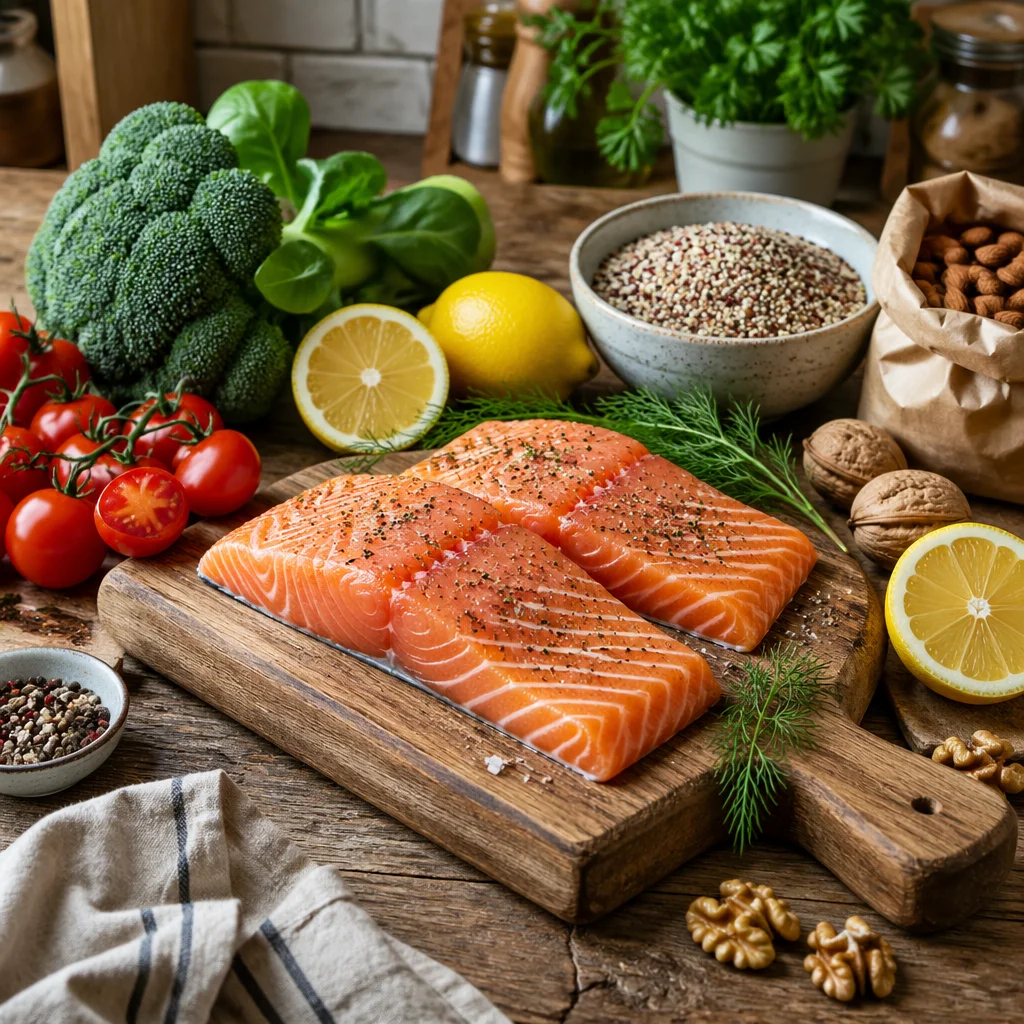
A helpful first step: calculate your daily protein target so your smaller meals still cover your needs.
Introduction: What to expect in week 1 of Ozempic
In the first week, a lot of people notice two big changes: they get full faster, and their cravings calm down. Sounds amazing, but it can also mean you accidentally eat too much too quickly and end up uncomfortable. Some days you might be barely hungry, and other days you might feel hungry but only want a few specific foods. The trick is keeping meals simple, soft, and low carb so you are not fighting your stomach. Think of this week as a “settling in” week, not a “perfect macros” week.
Why the first week is critical for GI adjustment
Ozempic slows down how quickly food moves through your stomach. That is part of why it helps with appetite, but it is also why week 1 can come with nausea, heartburn, burps, or constipation for some people.
So here is the vibe for this week: smaller portions, lower fat than you might usually do on low carb, and very simple foods that do not smell intense. I know “low carb” sometimes turns into “super greasy,” but for week 1, heavy fried food can feel like a brick. Also, if you are increasing protein, do it gently. A giant steak on day 1 is not the move.
If you want a cozy, stomach friendly option that still feels like a real meal, soup is your best friend. I love a warm mug of bone broth chicken soup when my appetite is tiny but I know I need something nourishing.
Day-by-day food progression (very gentle start)
This is not medical advice, just a practical way to ease in. If you feel totally fine, you can move faster. If your stomach is cranky, slow it down. The goal is to stay hydrated, keep protein steady, and avoid big, heavy meals.
Days 1 to 2: “Barely hungry” days
These days can feel like you are running on vibes and iced water. Keep it simple.
- Breakfast: Scrambled eggs, or plain Greek yogurt with a few berries
- Lunch: Brothy soup, shredded chicken, or cottage cheese with cucumber slices
- Dinner: Baked fish or soft chicken with steamed zucchini
- Snack if needed: A few almonds, a cheese stick, or a protein shake you tolerate
Days 3 to 5: Add a little more structure
This is when I start to feel more normal, but portions still need to stay small. I like meals that are easy to chew and not greasy.
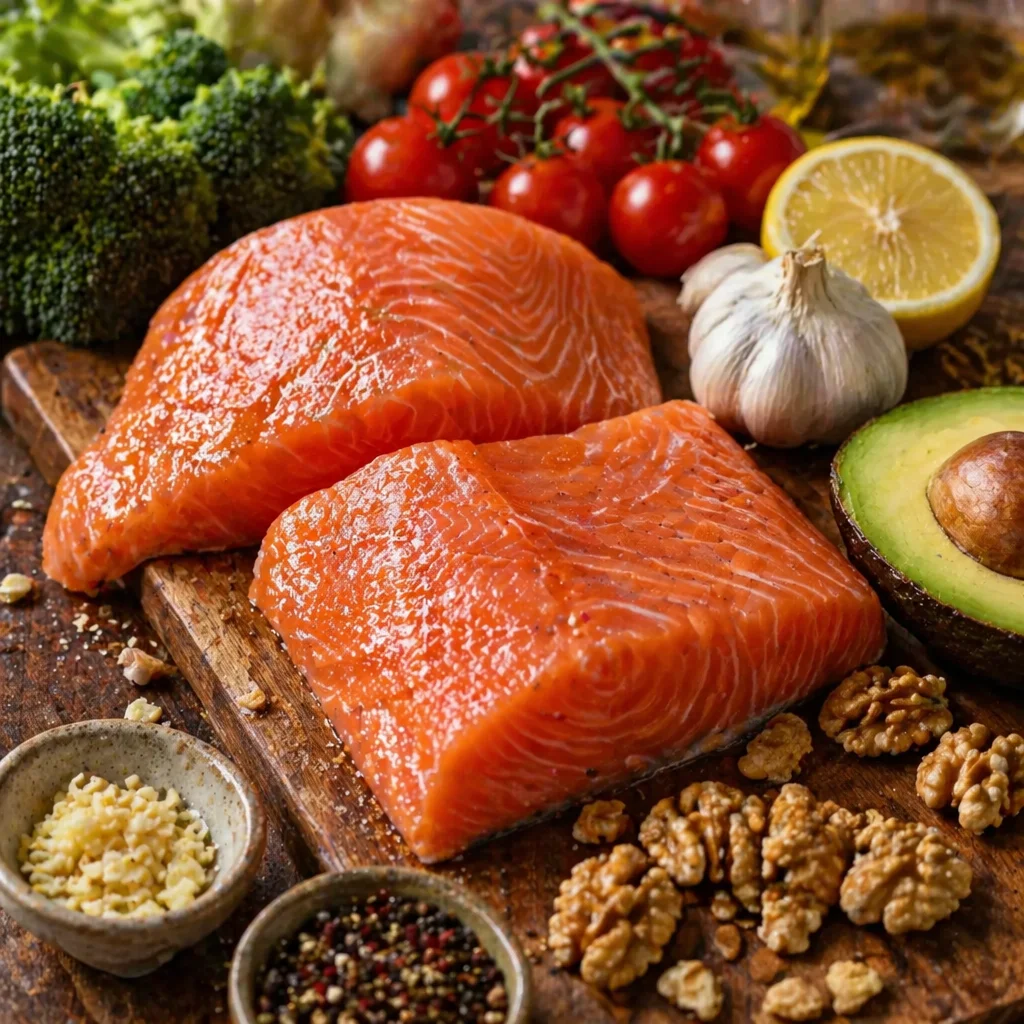
A go to dinner for me is simple salmon because it feels light but satisfying. If you like air fryer meals, this is a great one: air fryer salmon with lemon and herbs. It is clean tasting, not smelly in a bad way, and you can pair it with a soft veggie like sautéed spinach.
Days 6 to 7: Gently back to “real” meals
By the end of the week, many people can handle more texture and variety. Still, I keep the portions modest and avoid stacking high fat with high volume.
If you want something that feels like comfort food but still low carb, I love a simple chicken dinner. This one is a favorite when I want crispy without feeling heavy: almond crusted chicken parmesan. Just keep the serving smaller than you think, and add a gentle side like roasted zucchini or cauliflower mash.
Soft, low-odor foods that ease transition
Let’s be honest, week 1 can make your nose and stomach extra dramatic. Foods that used to smell fine might suddenly feel “too much.” When that happens, I stick to soft textures and mild smells.
Here are some easy wins:
Soft proteins: scrambled eggs, poached eggs, shredded chicken, flaky fish, turkey slices, cottage cheese, Greek yogurt.
Gentle low carb carbs (in small amounts): berries, a few spoonfuls of chia pudding, or a small serving of mashed cauliflower.
Simple veggies: zucchini, peeled cucumber, spinach, well cooked green beans, soft roasted bell pepper.
Easy flavor: lemon, a tiny bit of butter, salt, pepper, dill, parsley.
If your sweet tooth pops up but you do not want to trigger nausea with something rich, go light and portioned. I keep a couple of freezer treats around for tiny bites, like these chocolate coconut keto fat bombs, but I literally treat them like “one bite and done” in week 1.
Hydration strategy for week 1
Hydration is not optional on Ozempic, especially in the first week. If you are eating less, you are often getting less fluid and less salt too, and that can lead to headaches, fatigue, and constipation.
What works for me:
Water first: I aim for a glass when I wake up, and another before my first meal.
Electrolytes: If you feel a little woozy or crampy, an electrolyte drink can help. Keep it low sugar.
Warm drinks: Ginger tea, peppermint tea, or warm lemon water can feel soothing if nausea shows up.
Do not chug: Slow sipping feels way better than trying to “catch up” fast.
“I thought I needed to force big meals, but what really helped was small portions and steady sipping. By day four, my nausea settled down a lot.”
What to avoid completely in week 1
This is the week to be extra careful with anything that sits heavy or irritates your stomach. Even if you normally tolerate these foods, Ozempic can change the game a bit at first.
I would avoid:
Greasy, fried meals like fast food, heavy bacon platters, and deep fried anything.
Huge salads with raw cruciferous veggies. Raw broccoli and cabbage can feel rough.
Carbonated drinks if you are dealing with burps, reflux, or bloating.
Very spicy food if nausea is hovering.
Big desserts or sugar bombs. They can make you feel gross fast.
Portion size guidance
The biggest mindset shift is this: you might need half of what you used to eat. Sometimes even less. The goal is to stop at “comfortably satisfied,” not full.
My practical portion rules for week 1:
Start small: Serve yourself a small plate, then wait 15 minutes. You can always have more.
Protein first: A few bites of protein can keep you steady even if you cannot finish the meal.
Eat slowly: This is not the week to eat standing at the counter.
Skip the “clean plate” habit: Leftovers are not a failure, they are tomorrow’s lunch.
FAQ: Is it normal to not be hungry week 1 of Ozempic? Can I eat normally on Ozempic?
Is it normal to not be hungry week 1 of Ozempic?
Yes, it can be totally normal. Some people feel appetite suppression right away. Focus on hydration and small protein based meals so you do not end up weak or nauseous from not eating at all.
Can I eat normally on Ozempic?
Eventually many people do, just with smaller portions. In week 1, “normal” might need to look simpler and lighter. Think gentle cooking, fewer greasy foods, and less volume.
What if I feel nauseous after eating?
Try smaller meals, less fat, and softer foods. Ginger tea can help. If nausea is severe or persistent, check in with your clinician.
Do I have to do low carb in the first week?
You do not have to, but many people feel better keeping carbs lower and avoiding sugar. Low carb also makes it easier to prioritize protein without huge portions.
What is one easy “I do not want to cook” meal?
Greek yogurt plus a few berries, or deli turkey with cucumber slices and a little cheese. If you can cook one thing, scrambled eggs are usually the easiest.
CTA to full GLP-1 meal plan
If week 1 feels confusing, you are not alone. I like having a simple list to pull from so I am not making food decisions while my stomach is moody. I keep more options, including easy breakfasts, gentle lunches, and small-portion desserts, inside my collection of GLP-1 friendly recipes. It is the easiest way to build a little personal meal plan without overthinking it.
A cozy wrap up and my favorite “week 1” comfort meal
Week 1 is all about staying comfortable, keeping meals small, and not picking fights with your stomach. If you are still wondering what to eat on Ozempic first week, stick with soft proteins, mild veggies, and steady hydration, then build up slowly as your body adjusts. My personal comfort meal is a simple broth based soup with shredded chicken because it is warm, light, and reliable when nothing else sounds good. For more beginner reading, these resources are helpful and easy to scan: First Week on GLP-1: What to Eat (Complete Beginner’s Guide), Ozempic Diet: Foods to Eat and Avoid on a GLP-1 Obesity Drug, and Ozempic for Weight Loss: What Foods to Eat and Avoid – Healthline. And seriously, give yourself grace this week, then try that simple soup or salmon and see how good “gentle” can taste.