
Stay Connected with Low Carb Glow

Homemade Fermented Sauerkraut

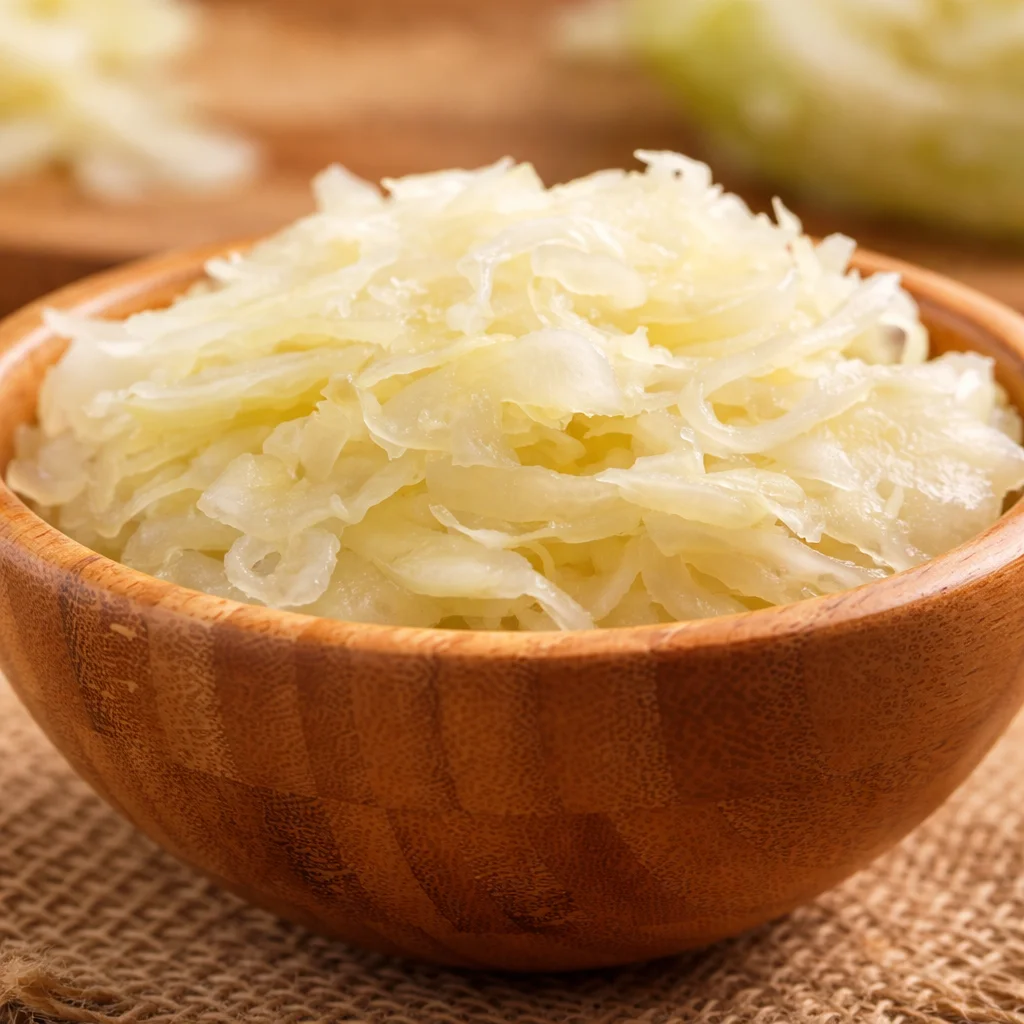
Homemade Fermented Sauerkraut is the kind of simple, old-fashioned goodness that turns a humble head of cabbage into something bright, tangy, and surprisingly craveable. If you’ve ever wanted to try fermenting at home but felt nervous, I get it. I used to think I needed fancy gear or a degree in microbiology. Then I made one small batch and realized it’s mostly about salt, patience, and letting nature do the heavy lifting. Today I’m sharing how I make Homemade Fermented Sauerkraut, plus all my tips so you end up with crunchy, clean-tasting kraut every time. Let’s do this together.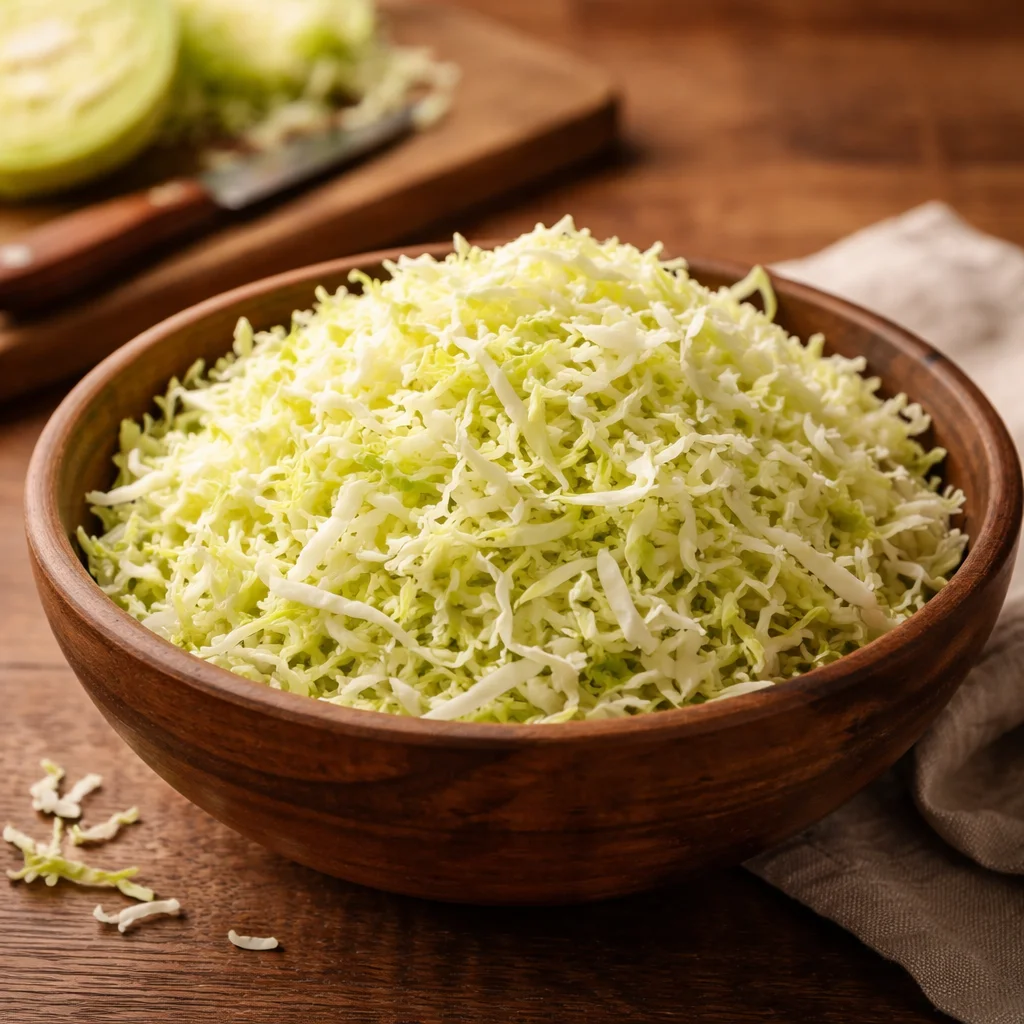
Introduction & Probiotic Benefits
Homemade Fermented Sauerkraut is a jar of everyday magic. You shred cabbage, sprinkle salt, and press until the juices release. Then time and friendly bacteria do their thing. The result is crisp, tart, and full of life. You’re not just making a condiment, you’re building a little ecosystem that boosts gut health and amps up flavor on almost anything you eat.
Probiotics from raw sauerkraut can help support digestion, ease bloating for some people, and keep things moving in a comfortable way. That’s why I keep a jar in my fridge at all times. A forkful on the side of breakfast eggs or a big scoop on a burger can make a huge difference in how I feel after a meal.
Also, it’s affordable. A head of cabbage and a spoonful of salt can yield jars of kraut that last for months. Add the satisfaction of doing it yourself, and you’ll see why this tradition stuck around for generations.
Why Fermentation Supports Gut
Fermentation happens when friendly microbes eat the natural sugars in cabbage and produce lactic acid. That lactic acid protects the cabbage from harmful bacteria and creates that signature tangy flavor. Think of it like a tiny team of helpers making your food safer and tastier at the same time.
When you eat naturally fermented foods, you bring helpful bacteria into your digestive tract. These can support a balanced gut environment, which often means better digestion and steady energy. It’s simple food with real impact.
If you’re into nourishing cabbage recipes, you might also like this cozy bowl: gut-healing cabbage soup. It’s not fermented, but it’s soothing and pairs nicely with a spoonful of kraut on the side.
Ingredients List
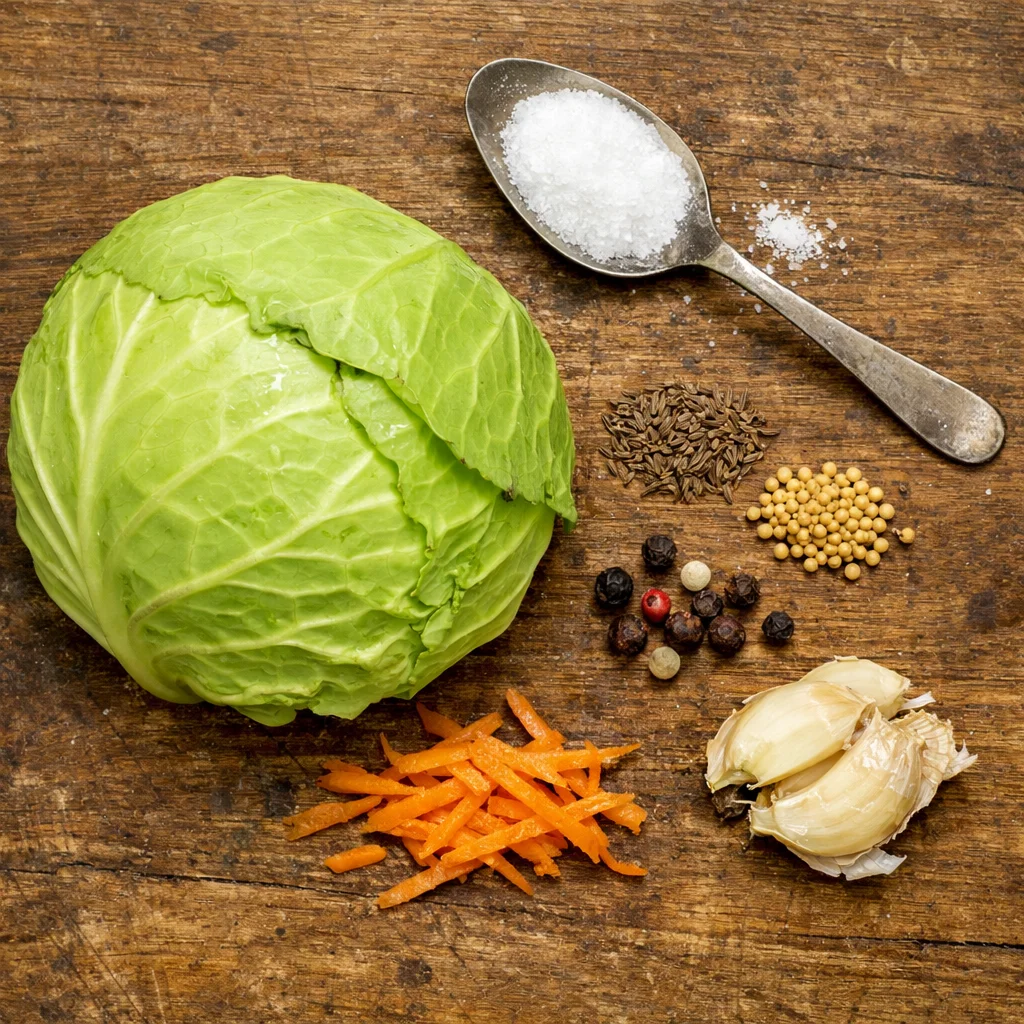
- 1 medium green cabbage, about 2 pounds
- 1 tablespoon fine sea salt or kosher salt without additives
- Optional flavor boosts: 1 teaspoon caraway seeds, 1 teaspoon mustard seeds, or a few peppercorns
- Optional add-ins: a few shreds of carrot for color, or a smashed garlic clove for a savory note
That’s truly it. The salt amount looks small, but it’s just enough to draw out the moisture and keep the kraut safe while it ferments.
Choosing Cabbage
Grab a firm, heavy head of green cabbage. The tighter the leaves, the better. Avoid wilted or damaged heads if you can. Winter cabbages tend to yield a little more crunch, but I ferment year round and get great results with whatever looks freshest.
Red cabbage works too and makes a gorgeous magenta kraut. Just be gentle with add-ins, since strong flavors can overshadow it. If you want more cabbage inspiration, peek at the recipe collection in Cabbage Crush for fun ways to use up extra leaves and cores.
Salt Ratio
How Much Salt Do You Need
The sweet spot is about 2 percent salt by weight of the cabbage. For most home cooks, this comes out to roughly 1 tablespoon salt per 2 pounds of shredded cabbage. If you don’t want to weigh anything, use that simple rule and you’ll be fine.
Why Salt Matters
Salt pulls water from the cabbage, creates a brine, and keeps the wrong microbes out while letting good bacteria flourish. Too little salt can lead to mushy or unsafe results. Too much salt can stall fermentation and taste overly salty. Start with the guideline, then adjust to your taste on future batches of Homemade Fermented Sauerkraut.
Fermentation Vessel Options
Jars, Crocks, and Bags
You don’t need fancy gear to get started. A clean wide-mouth glass jar works perfectly. Push the cabbage down firmly so the brine rises over the top, then weigh it down with a small jar or a clean fermentation weight. You can also use a traditional ceramic crock with a lid and weights if you make big batches.
Some folks use food-safe bags as weights inside jars. Others use a cabbage leaf folded over the top of the shreds to keep small bits from floating. Keep everything under the brine, and you’re golden. While you wait for your kraut to ferment, you could roast extra cabbage into a crispy side like these roasted cabbage wedges with bacon. It’s a tasty way to use leftover cabbage halves.
Fermentation Time & Temperature
Warm Room vs Cool Room
Room temperature is your friend. Aim for a cozy spot around 68 to 72 degrees Fahrenheit. Warmer rooms ferment faster and can lead to softer kraut. Cooler rooms ferment slower and usually give a crisper bite. Personally, I like a 10 to 14 day ferment for balance and crunch.
Here’s my routine. After packing the jar, I cover it loosely or use an airlock lid. I set the jar on a plate to catch any brine that bubbles out in the first days. I burp the jar daily if not using an airlock. I taste at day 5, then every few days. When it tastes bright and tangy enough, I move it to the fridge. Longer time at room temp equals stronger, more sour Homemade Fermented Sauerkraut.
Storing Sauerkraut
Once your kraut is as tangy as you like, pop the jar into the fridge with the cabbage fully submerged. Cold storage slows fermentation so the flavor stays stable and the crunch sticks around. It keeps for several months. Use a clean fork every time to avoid introducing anything funky.
If you’re cooking with extra cabbage while your kraut chills, try keeping it simple with pan-fried cabbage steaks. They’re buttery, golden, and perfect with a spoonful of kraut on top for contrast.
Serving Suggestions
- Top a juicy burger, grilled sausage, or veggie dog. The tang cuts through the richness.
- Serve with eggs and avocado for a breakfast that actually keeps you full.
- Tuck into tacos with pulled pork or roasted mushrooms for a crunchy bite.
- Toss into salads for zip or spoon onto grain bowls as a bright finisher.
- Mix with a little mayo and grainy mustard for a quick slaw style topping.
Homemade Fermented Sauerkraut shines wherever you want acidity and crunch. If you love a full-on cabbage dinner, this quick sausage and cabbage stir-fry hits the spot and pairs nicely with a side of kraut.
Nutrition Information
Let’s keep it real and simple. Cabbage is naturally low in calories and high in vitamins C and K. Fermentation adds helpful probiotics when the kraut is raw and unheated. The sodium mainly comes from the salt used to create the brine, which is part of what keeps it safe. A small serving delivers big flavor and a nice refresh for your palate.
For those tracking macros, a typical quarter-cup serving is light on carbs and calories, with a small amount of fiber. If you’re sensitive to sodium, rinse lightly before serving, though you’ll wash away a bit of flavor too. I usually leave the brine as is and just eat smaller portions with meals.
Learn more about the science behind gut-healing low-carb eating in our complete Low-Carb Gut Health Guide covering the gut-blood sugar connection, the gut-healing food hierarchy, and a full 4-week protocol.
Common Questions
How do I know my kraut is fermenting properly?
You’ll see tiny bubbles, the brine will rise, and you’ll smell a clean sour aroma. It should never smell rotten. If it smells off, trust your instincts and start fresh.
What if I see white film on top?
A thin white film can be harmless yeast. Skim it off, make sure everything stays submerged, and keep going. Mold looks fuzzy and colored. If you see that, toss the batch.
Can I reduce the salt?
I don’t recommend going below about 2 percent by weight. Too little salt can invite the wrong microbes and make the cabbage soft. Taste and adjust on the next batch instead.
How long does it keep?
In the fridge, it often lasts several months. Flavor slowly deepens over time. Always use a clean utensil and keep the solids under the brine.
Can I add other veggies?
Yes. Carrots, beets, or a few onion slices are nice. Keep most of the volume cabbage so the texture stays crunchy and the brine stays balanced.
Wrap-Up From My Kitchen
At the end of the day, Homemade Fermented Sauerkraut is about confidence and consistency. Use fresh cabbage, measure your salt, pack tightly, and keep the shreds under their brine. Taste as you go, and stop when it hits that perfect tang for you. Once you get the feel for it, you’ll wonder why you waited so long.
If you want more angles on the process, I like this friendly guide from Fermented Cabbage (Sauerkraut) | Hilda’s Kitchen Blog, and the step-by-step details in Homemade Sauerkraut Recipe. Start your first jar this week and see how it changes your meals. I’ll be cheering you on from my kitchen table with a forkful of crunchy kraut and a big smile.
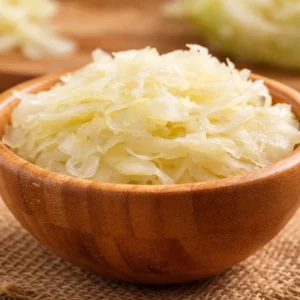
Homemade Fermented Sauerkraut
A simple and traditional recipe to ferment cabbage at home, resulting in a tangy and nutritious condiment that boosts gut health.
Ingredients
- 1 medium green cabbage about 2 pounds
- 1 tablespoon fine sea salt or kosher salt without additives
- Optional flavor boosts: 1 teaspoon caraway seeds 1 teaspoon mustard seeds, or a few peppercorns
- Optional add-ins: a few shreds of carrot or a smashed garlic clove
Instructions
- Shred the cabbage and place it in a clean wide-mouth glass jar.
- Sprinkle the salt over the cabbage.
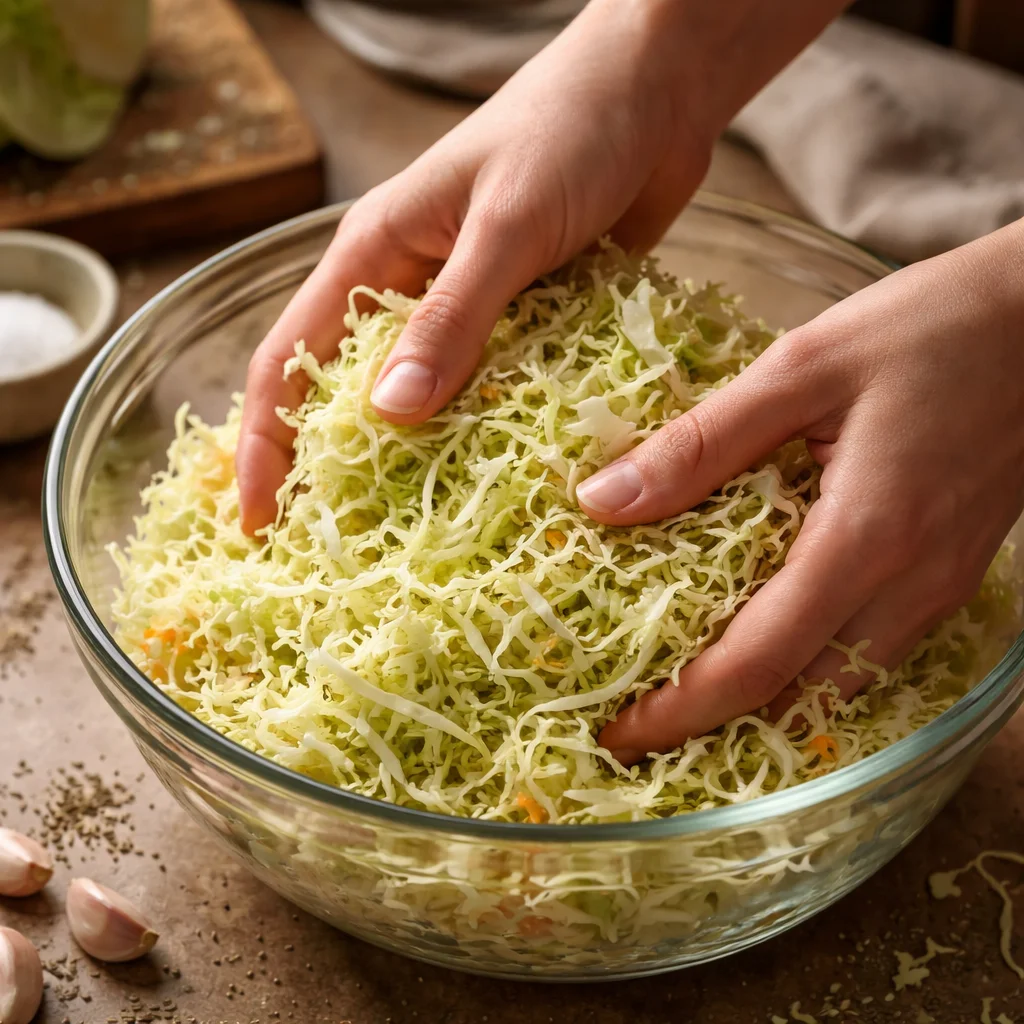
- Press the cabbage down until juices release and it is submerged in its brine.
- Optional: Add flavor boosts or extra veggies for added flavor.
- Cover the jar loosely or use an airlock lid; set it on a plate to catch any overflow.
- Ferment at room temperature (68 to 72 degrees Fahrenheit) for 10 to 14 days, tasting every few days until desired tanginess is reached.
- Once fermented, store in the refrigerator with the cabbage submerged in brine.
Notes
Use a clean utensil every time to avoid introducing contaminants. Sauerkraut can be enjoyed with various dishes for added flavor and crunch.