
Stay Connected with Low Carb Glow

Healing Garlicky Cabbage Soup

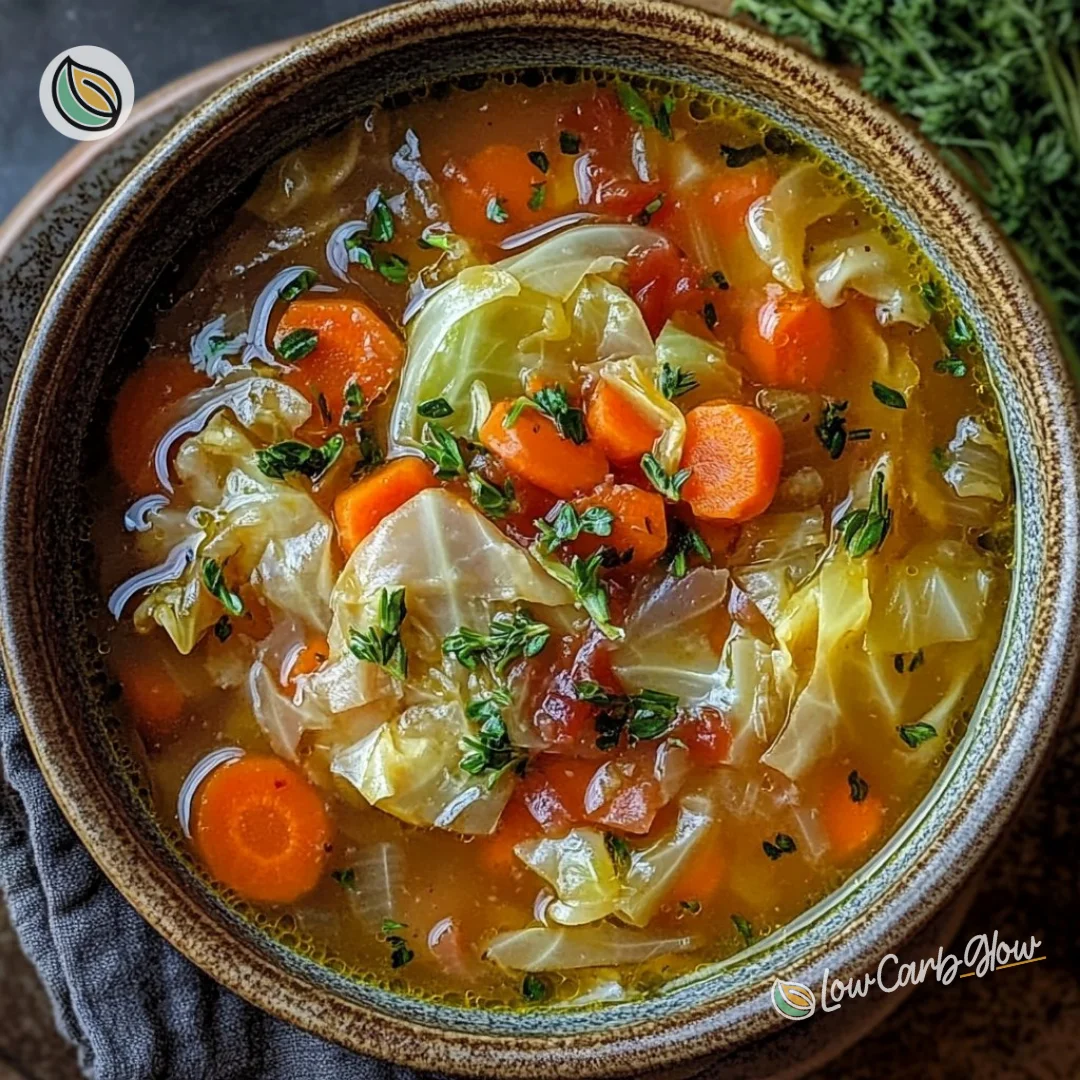
I remember a late weeknight when the fridge looked bare, the week had been long, and I wanted something that felt like care without a lot of fuss. I reached for a head of cabbage, a few carrots, and an onion and ended up with a pot of warm calm that carried me through the next two days. That first night I called it Healing Garlicky Cabbage Soup aloud and felt that immediate relief of a good, honest meal. If you want a simple, low-effort dish that supports steady energy and feels grounding, this Cabbage Soup is a quiet win. For more ideas that use cabbage as a main player, see our cabbage recipes collection for inspiration.
Why This Cabbage Soup Just Works
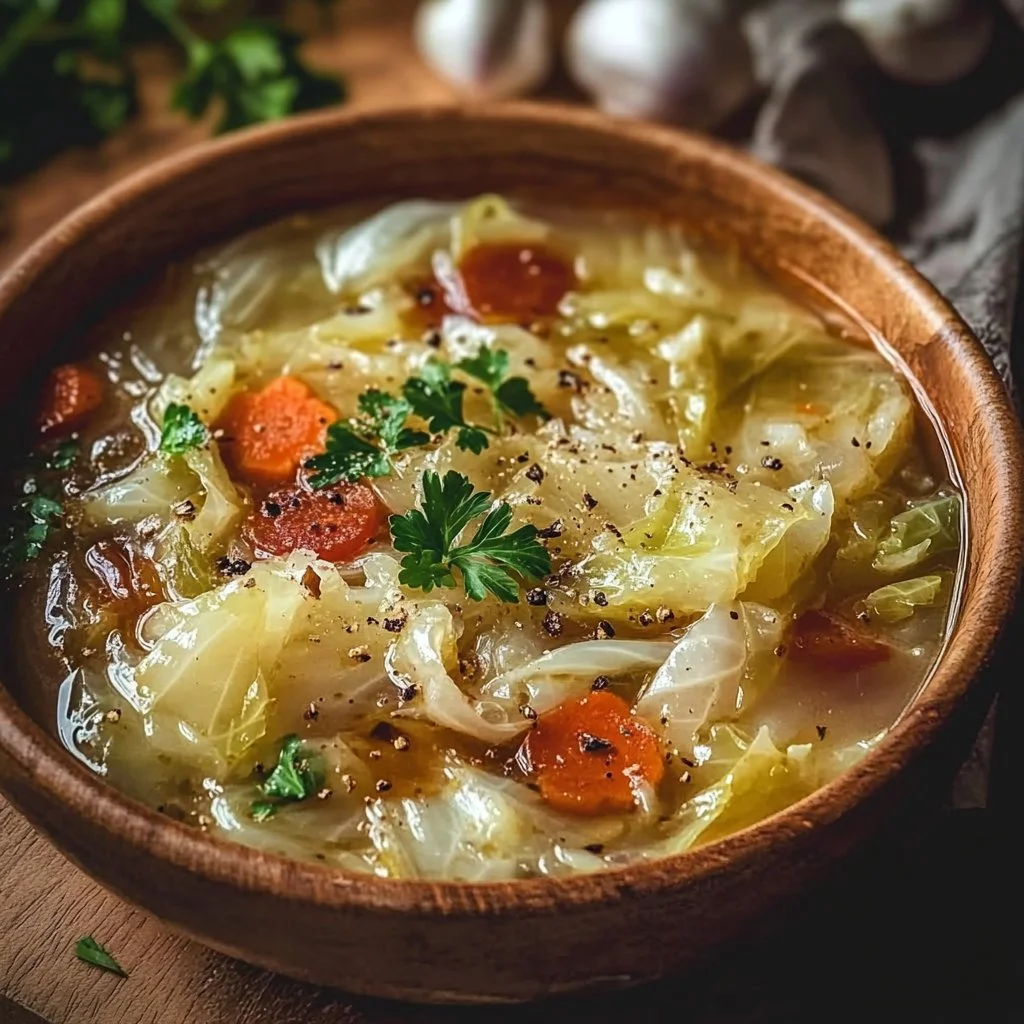
This recipe gives you a lot with few carbs. Cabbage itself is low in digestible carbs but high in volume and fiber. That means you get a bowl that fills you up without big blood sugar swings. The gentle garlic and lemon lift the flavor without needing cream or sugar.
It fits into low-carb living because the base is vegetables and broth. You can make it repeatable because it stores well and reheats cleanly. People make it again and again because it adapts: add protein, bulk it up for meal prep, or keep it light for a restorative meal.
This dish is realistic long-term because it is not restrictive. You get flavor, texture, and warmth without complicated steps. That makes it easy to cook after a long day and, importantly, to feel proud of eating something that helps you sleep and recover.
Making Cabbage Soup Without Overthinking It
“Low-carb cooking works best when you stop forcing it and start paying attention.”
Before you touch the knife, picture the final pot: soft, translucent cabbage ribbons, bright flecks of parsley, and a clear broth that smells of garlic and lemon. The onion will go sweet and gentle. The carrots give a little tooth and a warming color. The garlic is the anchor, not the star.
You will hear the onions sigh as they become translucent. When you add the cabbage it will look like a mountain at first, then quickly shrink. That change is a good cue that the soup is moving along. While it simmers, the broth will pick up the thyme and oregano so you get an even, balanced flavor.
Pay attention to timing more than exactness. Let the soup simmer long enough for the cabbage to soften and the carrots to become tender. That typically takes about 30 minutes. Meanwhile you can tidy the kitchen, set the table, or get work notes in order. Mindful, simple cooking gives the best results.
What You’ll Need
- 1 medium head of green cabbage, chopped
(firm, fresh cabbage gives the best texture) - 1 large onion, diced
(yellow or white both work; red is fine for color variation) - 4-5 cloves of garlic, minced
(adjust to taste; garlic adds depth and gut-friendly compounds) - 3 medium carrots, sliced
(adds gentle sweetness; you can halve if you prefer larger pieces) - 2 ribs of celery, diced
(gives savory base flavor and body) - 6 cups vegetable broth
(use low-sodium if you plan to adjust salt later) - 1 tablespoon olive oil
(or avocado oil for a milder flavor) - 1 teaspoon dried thyme
(or 1 tablespoon fresh, chopped) - 1 teaspoon dried oregano
(stays aromatic over simmering) - Salt and pepper to taste
(season gradually; you can always add more) - 1 bay leaf
(remove before serving) - Juice of 1 lemon
(brightness at the end lifts the whole pot) - Fresh parsley, chopped (for garnish)
(optional, but it freshens each bowl)
If you are in a rush, pre-chopped veggies or a food processor will save time. If you are watching starch strictly, reduce carrots slightly or replace with extra celery. For texture lovers, keep the cabbage a little chunkier; for creamier soups, let it simmer longer.
Step-by-Step Directions
- Begin by preparing your vegetables. Chop the cabbage, dice the onion, slice the carrots, and dice the celery. Mince the garlic and set aside.
(Take a moment to smell the garlic; it tells you how strong your soup will be.) - In a large stockpot or Dutch oven, heat 1 tablespoon of olive oil over medium heat.
(Medium heat gives a gentle start and keeps the garlic from burning later.) - Add the diced onion to the pot and sauté for about 3-4 minutes until it becomes translucent.
(You want soft, not browned; if the pan gets too hot, lower the heat.) - Stir in the minced garlic and sauté for another 1-2 minutes until fragrant, being careful not to burn it.
(Garlic burns quickly; a soft sizzle is perfect.) - Add the sliced carrots and diced celery to the pot, stirring well to combine. Cook for an additional 5 minutes until the vegetables begin to soften.
(These vegetables build flavor and body; let them mellow but keep some bite.) - Next, add the chopped cabbage to the pot, mixing it in with the other vegetables.
(Cabbage looks like a lot but it wilts down fast. Stir to coat with oil and aromatics.) - Pour in 6 cups of vegetable broth and add the bay leaf, dried thyme, oregano, salt, and pepper. Stir to combine everything.
(Use low-sodium broth if you plan to add a salty topping or protein later.) - Increase the heat to bring the soup to a gentle boil, then reduce the heat to low, cover, and let it simmer for 30 minutes.
(At this point the kitchen will start to smell like a real meal. Simmer until the cabbage and carrots are tender.) - After 30 minutes, remove the bay leaf and stir in the lemon juice for brightness. Adjust the seasoning with more salt and pepper if needed.
(The lemon changes the whole pot; add gradually and taste.) - Serve the soup hot, garnished with freshly chopped parsley.
(A simple bowl like this pairs well with a protein or a crisp side salad.)
If you want to add protein, stir in cooked shredded chicken or canned beans at the end. If you prefer a silky texture, give the soup a quick whirl with an immersion blender before adding lemon and parsley.
Serving Healing Garlicky Cabbage Soup
When you ladle the soup into bowls, you notice how light and bright it looks. The broth is clear but rich with flavor. The cabbage turns soft and comforting. A spoonful brings together sweet carrot, savory onion, and the soft, almost velvety cabbage.
Serve it on its own for a light dinner or pair it with a simple protein for a fuller meal. A grilled fish or a pan-seared chicken breast keeps the plate low-carb but satisfying. For a vegetarian option, add a scoop of cooked lentils or a soft-boiled egg for extra protein.
If you want a heartier meal without adding many carbs, try a side of roasted mushrooms, or a small serving of roasted cauliflower. For family dinners, place a basket of warmed, low-carb flatbreads on the table so everyone can make it their own. For ideas that pair cabbage in different ways, I like the contrast of pan-seared sausage with cabbage in recipes like sausage and cabbage stir-fry.
Eating a bowl feels calm. The warmth relaxes you. The light acidity of lemon prevents heaviness. It is the kind of dinner that helps you sleep and recovers energy without derailing blood sugar control.
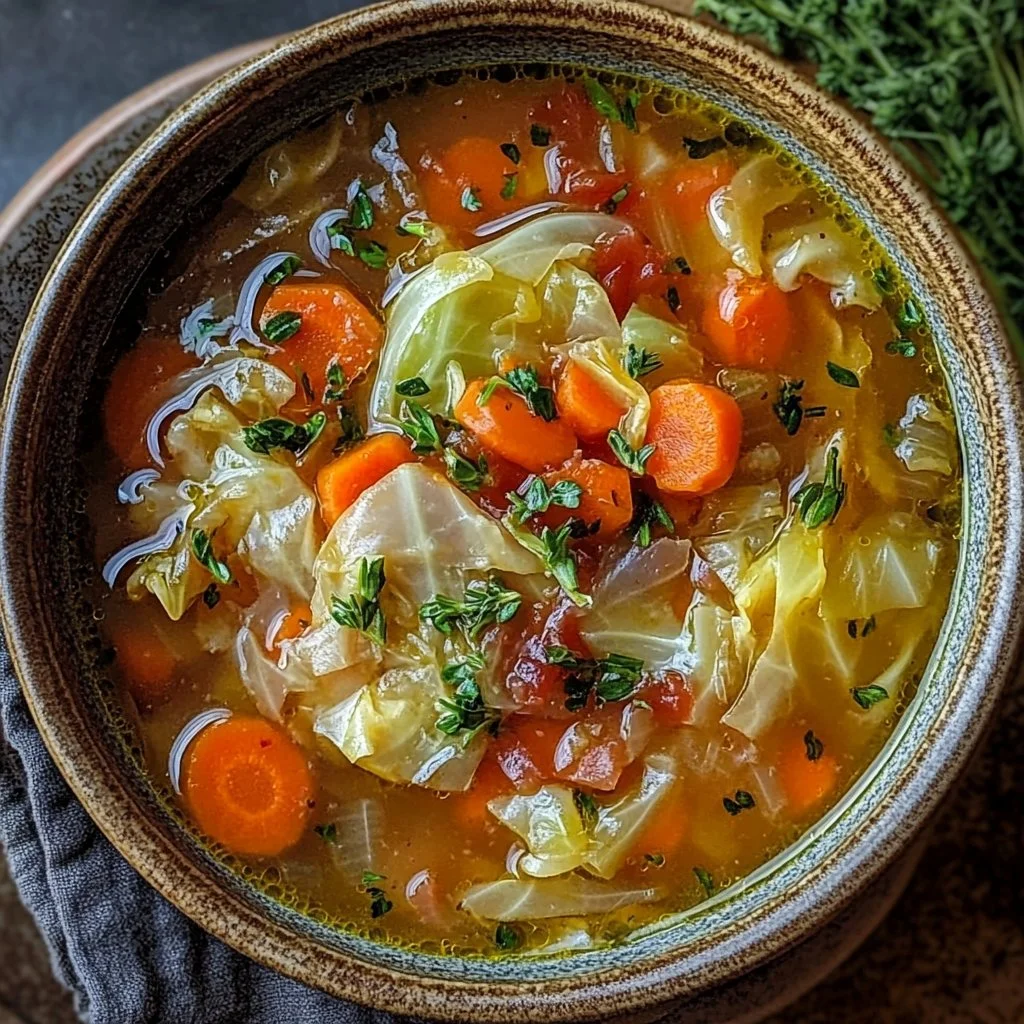
Explore all our cabbage crush recipes — soups, noodles, steaks, dumplings and more — in the complete Cabbage Crush guide.
Storing and Reheating
Store cooled soup in an airtight container in the fridge for up to 4 days. The flavors deepen overnight, so day two often tastes better. If you freeze it, use freezer-safe containers for up to 3 months. Thaw overnight in the fridge before reheating.
Reheat gently over low-medium heat and stir occasionally. If the broth reduces, add a splash of water or additional broth to loosen it. Avoid boiling aggressively after adding lemon; bright flavors can dull with long, high-heat reheating.
Be honest about texture changes: cabbage will soften further with time. If you prefer a firmer bite, slightly undercook it on day one. If you plan meals ahead, pack the cabbage and broth separately and combine when reheating.
Helpful Notes
- Use low-sodium broth and adjust salt at the end. This helps you control blood pressure-friendly sodium and prevents over-salting when you add other components later.
- Swap parsley for fresh dill or chives for a different, light herb profile. Both pair well with lemon.
- Time saver: chop vegetables on a day off and refrigerate in airtight bags for quick assembly. This keeps weeknight prep under ten minutes.
- To boost protein without changing texture, stir in shredded rotisserie chicken or a can of drained white beans right before serving. This converts the soup into an easy high protein low carb meal if you keep portions in check.
- For digestion and gut-friendly support, include garlic and cabbage consistently; they feed beneficial bacteria when introduced slowly and regularly.
Things I’ve Learned Making This
- Don’t rush the onion stage. Soft, translucent onion is the foundation of flavor.
- Lemon at the end is non-negotiable. It adds defined brightness. Add slowly and taste.
- Simmer at a gentle heat. A soft bubble keeps the flavors clean and the cabbage tender.
- Leftovers improve. Many soups taste better the next day because the aromatics settle into the broth.
Easy Variations
- Family-friendly tweak: Add diced cooked potatoes for a heartier version if you are not strict on carbs. Keep serving sizes small to maintain balance.
- Dairy-free option: This recipe is naturally dairy-free. For a creamy texture without milk, blend part of the soup and stir it back in.
- Higher-protein low-carb: Add cubed, firm tofu or shredded rotisserie chicken near the end to raise protein without adding carbs.
- Regional shift: Add a teaspoon of smoked paprika and chopped chorizo for a Spanish spin. Or add a dash of curry powder and coconut milk at the end for a warm, fragrant twist.
- Gut-friendly low-carb: Keep the vegetables simple and add a spoonful of plain, unsweetened yogurt on top of each bowl for a cool, probiotic-rich garnish (if dairy-tolerant).
Variations Worth Trying
- Make it Mediterranean: finish with olives and capers, and a drizzle of extra virgin olive oil.
- Make it Asian-inspired: swap thyme and oregano for ginger and scallions and finish with a splash of tamari.
- Make it heartier: add chopped kale in the last 10 minutes for a double dose of leafy greens.
- Make it slow cooker friendly: follow the same steps but place everything in a slow cooker and cook on low for 4–6 hours.
Learn more about the science behind gut-healing low-carb eating in our complete Low-Carb Gut Health Guide — covering the gut-blood sugar connection, the gut-healing food hierarchy, and a full 4-week protocol.
FAQs About Cabbage Soup
Can I make this soup in a slow cooker?
Yes. Sauté the onions and garlic first, then add everything to the cooker and cook on low for 4–6 hours. Add lemon at the end.
Will cabbage make my stomach upset?
Cabbage can cause gas in some people, especially when eaten in large amounts. Start with moderate portions and consider smaller servings if you are sensitive. Cooking the cabbage longer usually helps.
Can I freeze this soup?
Yes. Freeze in airtight containers for up to 3 months. Thaw overnight in the fridge and reheat gently.
Is this recipe low carb enough for strict keto?
It is low in carbs relative to volume, but carrots add some carbs. Reduce carrots or swap them for extra celery or turnip to lower carbs further.
Can I add meat to make it a single-bowl meal?
Absolutely. Add cooked chicken, shredded beef, or browned sausage near the end. These options keep the meal high protein low carb when portions are maintained.
Final Thoughts
Cabbage Soup is one of those recipes that proves simple food can be transformative. It supports blood sugar balance because it emphasizes vegetables, fiber, and modest calories without refined carbs. It supports metabolic health by offering a filling bowl that slows digestion and helps you feel satisfied. It is sustainable because it is flexible: you can make it lean, make it rich, add protein, or keep it purely plant-based.
If you want another take on classic cabbage-based bowls, this recipe sits comfortably next to other favorites and can be part of a weekly rotation. For a slightly different cabbage-forward meal idea, try the roasted texture and bold flavors in oven-baked cabbage burgers or the more indulgent pasta-style option at creamy cabbage pasta. These internal recipes show how cabbage works across a range of meals and occasions.
Conclusion
This Cabbage Soup keeps coming back into my week because it gives comfort, control, and clarity with minimal fuss. If you want to compare with other traditional takes, the classic Healing Cabbage Soup Recipe is an established version that offers a similar, hearty approach. For a gut-focused perspective on garlicky cabbage preparations, see The Best Gut-Healthy Soup which highlights digestive benefits and gentle flavoring ideas.
Make a big pot, enjoy leftovers, and let simple, real food support steady energy and calm evenings.
Cabbage Soup
A simple, low-carb soup made with cabbage, carrots, and savory herbs, perfect for a warm and comforting meal.
Ingredients
- 1 medium head of green cabbage chopped
- 1 large onion diced
- 4-5 cloves of garlic minced
- 3 medium carrots sliced
- 2 ribs of celery diced
- 6 cups vegetable broth
- 1 tablespoon olive oil
- 1 teaspoon dried thyme
- 1 teaspoon dried oregano
- Salt and pepper to taste
- 1 bay leaf
- Juice of 1 lemon
- Fresh parsley chopped (for garnish)
Instructions
- Prepare the vegetables: chop the cabbage, dice the onion, slice the carrots, and dice the celery. Mince the garlic.
- In a large stockpot, heat olive oil over medium heat.
- Add the diced onion to the pot and sauté for 3-4 minutes until translucent.
- Stir in the minced garlic and sauté for another 1-2 minutes until fragrant.
- Add the sliced carrots and diced celery, and cook for an additional 5 minutes.
- Add the chopped cabbage to the pot and mix well.
- Pour in the vegetable broth and add bay leaf, thyme, oregano, salt, and pepper. Stir everything together.
- Bring the soup to a gentle boil, then reduce the heat to low, cover, and simmer for 30 minutes.
- Remove the bay leaf, stir in the lemon juice, and adjust seasoning if needed.
- Serve hot, garnished with freshly chopped parsley.
Notes
This soup can be stored for up to 4 days in the fridge and freezes well for up to 3 months. Adjust seasoning to taste before serving.