Stay Connected with Low Carb Glow

GLP-1 Friendly Recipes: High-Protein, Low-Carb Meals That Actually Work on Ozempic & Mounjaro

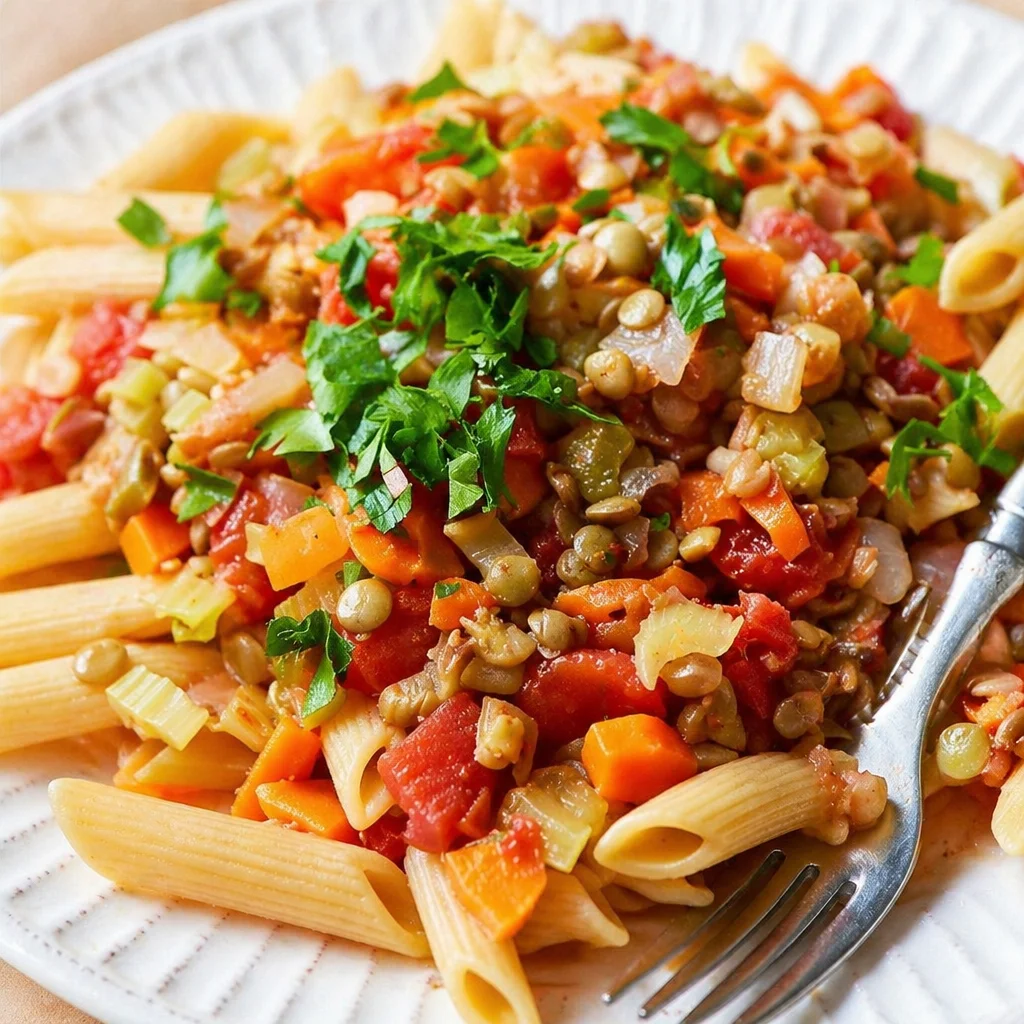
GLP-1 friendly recipes saved me when I realized my old keto habits were suddenly not working on Ozempic and Mounjaro. I wanted low carb meals, but I also needed food that felt light, didn’t trigger nausea, and didn’t make me regret eating two bites in. If you’re in that same boat, I get it. Your appetite is smaller, your stomach feels pickier, and greasy “keto classics” can hit like a brick. This post is basically what I wish someone handed me on week one, with simple meals that actually go down easy and still help you hit your protein.
First, figure out how much protein you need each day with our GLP-1 protein calculator, then build meals from the recipes below.
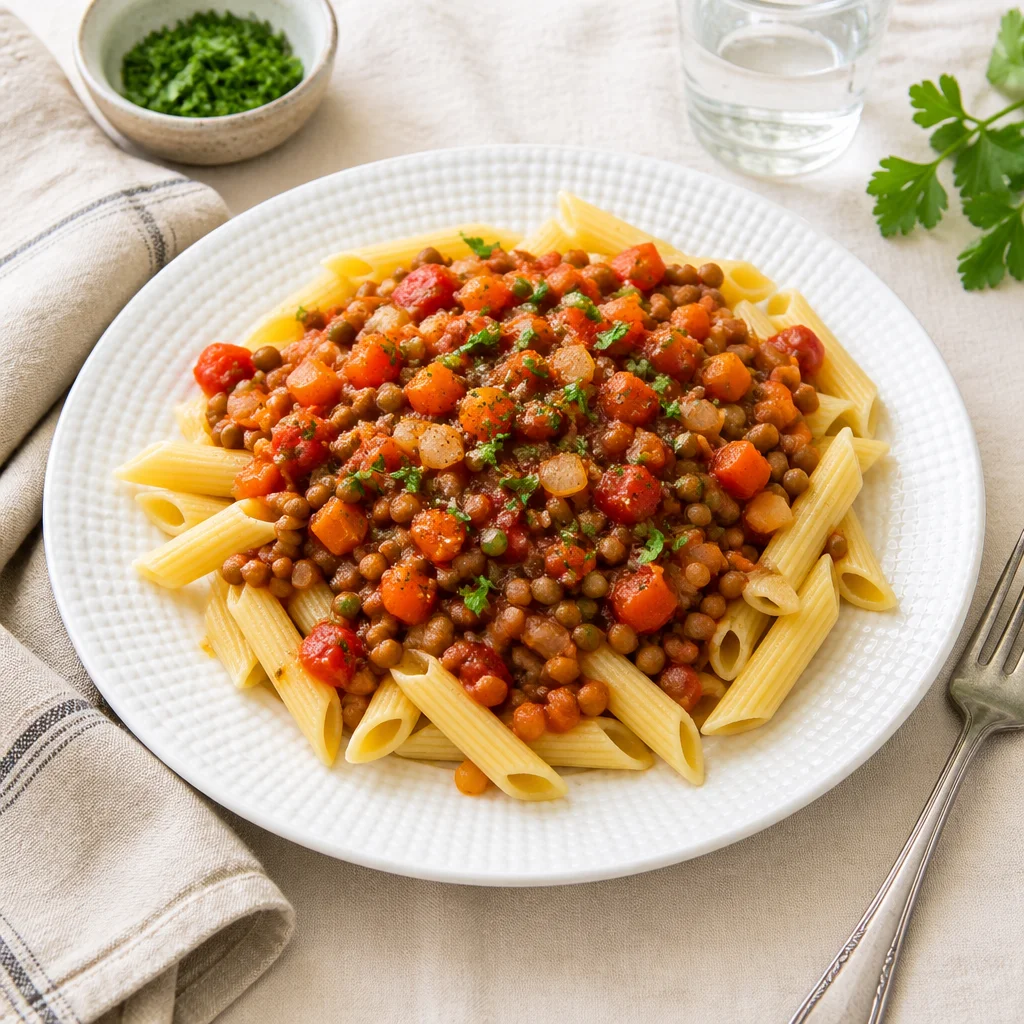
Introduction: Why standard keto fails GLP-1 users
Traditional keto advice is like, “Add more fat, you’ll feel great.” But on GLP-1 meds, a lot of us don’t feel great when meals are heavy. Super fatty foods can sit in your stomach forever, and that’s not the vibe when your appetite is already low.
Another issue is portion size. Keto recipes often assume you can eat a big plate of meat plus cheese plus creamy sauce. On GLP-1, you might only manage a small bowl, so the protein has to count.
I also noticed that “keto snacks” can backfire. A few bites of something rich can trigger heartburn or that weird full feeling that lasts too long. I started shifting to simpler, cleaner meals with protein first, then veggies, then just enough fat to make it satisfying.
If you want more gentle meal ideas, I keep a growing stash of easy options in my gut friendly low carb recipes section. It’s where I send friends who say, “I need low carb but my stomach is being dramatic.”
What are GLP-1 medications (Ozempic, Wegovy, Mounjaro)
Ozempic and Wegovy are brands of semaglutide. Mounjaro is tirzepatide, which hits GLP-1 and another hormone pathway too. People use them for type 2 diabetes management, weight loss, or both, depending on what their clinician prescribes.
These meds can be amazing tools, but they also come with a learning curve. The biggest thing I tell people is this: you’re not weak because your “normal” meals suddenly feel off. Your body is responding to a medication that changes hunger signals and digestion speed.
Also, quick reminder from one regular person to another: if you’re having intense side effects, can’t keep food down, or you’re losing weight too fast, talk to your prescriber. This article is food strategy, not medical advice.
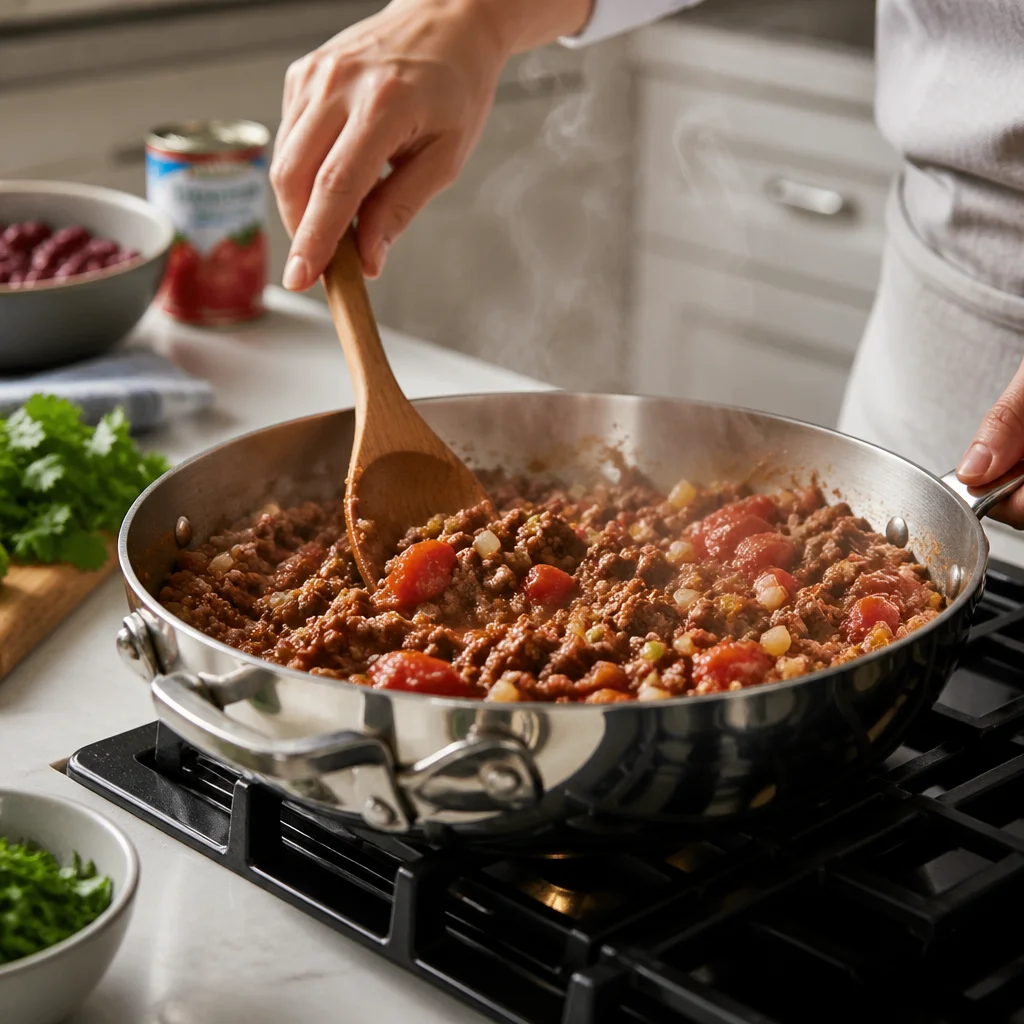
How GLP-1 changes your appetite and digestion
The short version is that GLP-1 meds often make you feel full faster and longer. They can slow stomach emptying, which helps with appetite control, but it can also lead to nausea, reflux, and the famous burps if you eat the wrong thing at the wrong time.
I learned to treat meals more like small “protein appointments” throughout the day instead of two big sit down dinners. It helped with energy and made it easier to avoid that stuffed feeling.
These tweaks helped me the most:
- Keep meals smaller but more protein dense.
- Go easier on greasy or fried foods, especially at night.
- Choose cold or room temp meals when nausea is high.
- Drink fluids between meals, not chugged right before eating.
When I want something refreshing that still feels like real food, I’ll do crunchy salads. This post on cucumber salad recipes has been my go to when I can’t face anything heavy.
The protein priority: hitting 1.2–1.6g per kg bodyweight
Ok, let’s talk protein without making it weird. A lot of people on GLP-1 meds lose weight fast, and that can include muscle if protein is too low. That’s why many clinicians and nutrition pros push higher protein during weight loss.
A common target you’ll see is 1.2 to 1.6 grams of protein per kilogram of body weight. That’s a range, not a rule, and it depends on your health status, age, and activity. If you’re unsure, ask your provider or a registered dietitian for a personal target.
My practical way to do it is simple:
Build each mini meal around protein first, then add low carb veggies, then add just enough fat for taste. When appetite is tiny, protein shakes can help, but I try to get “chewable protein” too because it keeps me satisfied longer.
One more thing I didn’t expect: sometimes I was under eating overall because I just wasn’t hungry. If your energy is tanking, your hair is shedding, or you’re always cold, that can be a sign you need a better plan, not more willpower.
15 GLP-1 friendly low-carb recipes (cold/room temp focus)
This is my real life list for days when I want to eat well but my appetite is low and my stomach is picky. Most of these are great cold or at room temp, so you can take a few bites, pause, and come back later.
My “actually works” recipe formula
I aim for three things: high protein, low carb, and simple flavors. Too many spices or too much grease can be a problem for some people on Ozempic and Mounjaro, so I keep it clean and add extras only if my stomach feels fine that day.
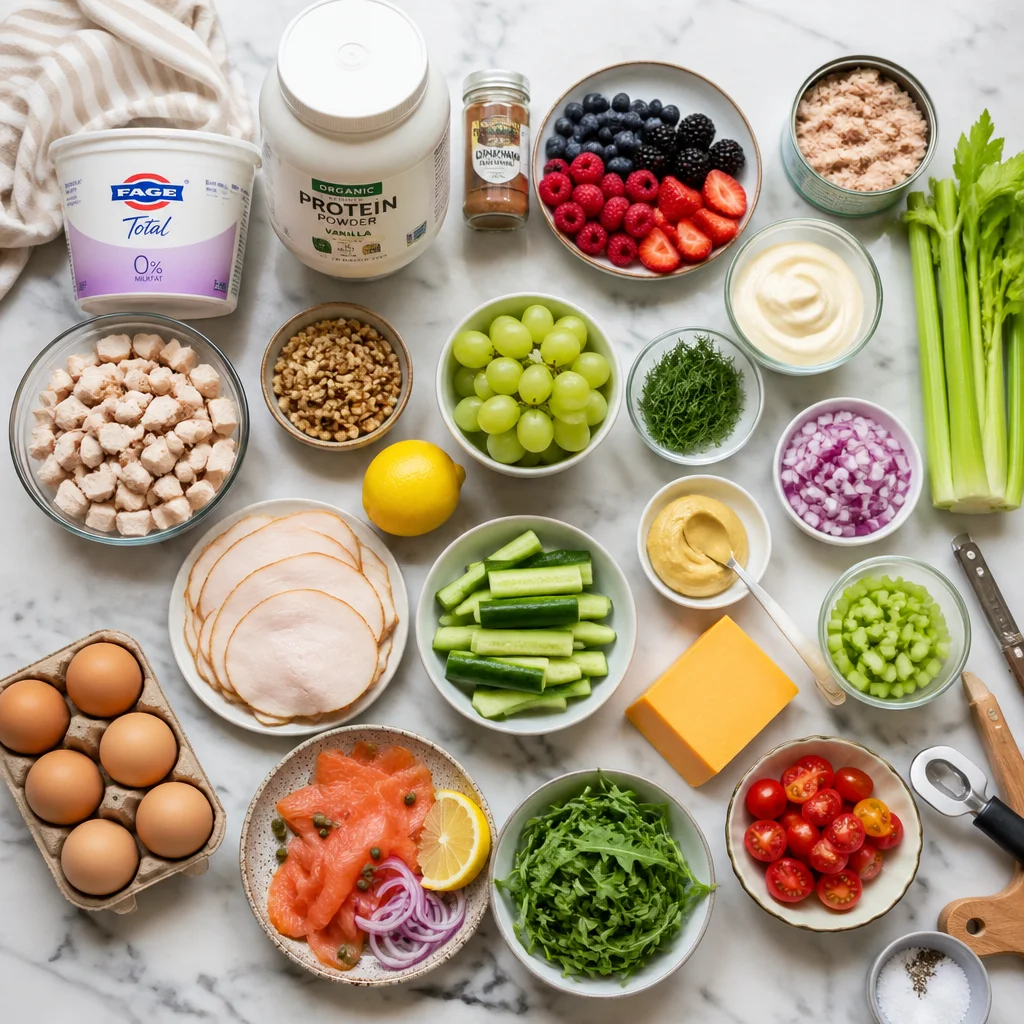
Here are 15 GLP-1 friendly recipes I rotate:
- Greek yogurt protein bowl: plain Greek yogurt, scoop of protein powder, cinnamon, a few berries.
- Tuna salad lettuce cups: tuna, Greek yogurt or light mayo, celery, dill, lemon.
- Chicken salad with grapes (small amount): diced chicken, Greek yogurt, chopped walnuts, a few grapes.
- Turkey roll ups: deli turkey, cucumber sticks, mustard, a slice of cheese if tolerated.
- Egg salad snack box: eggs, light mayo, paprika, pickles on the side.
- Salmon and cucumber plate: smoked salmon, cucumber, capers, lemon.
- Cold steak salad: leftover steak slices, arugula, cherry tomatoes, simple vinaigrette.
- Cottage cheese ranch bowl: cottage cheese, ranch seasoning, chopped bell peppers.
- Shrimp cocktail plate: shrimp, lemon, low sugar cocktail sauce, celery.
- Rotisserie chicken mini bowl: chicken, shredded lettuce, salsa, a spoon of Greek yogurt.
- Caprese with extra protein: mozzarella, tomatoes, basil plus sliced chicken or turkey.
- Tofu crunch salad: baked tofu cubes, cucumber, sesame, soy sauce or coconut aminos.
- Mini “sushi” bowl: canned salmon, cauliflower rice, cucumber, avocado, soy sauce.
- Protein chia pudding: chia, almond milk, protein powder, vanilla.
- Simple Mediterranean salad: chicken, cucumber, olives, feta, lemon.
If you want one that’s basically foolproof, my personal favorite is a Mediterranean style bowl because it stays tasty even when cold. I also love this gut-friendly Mediterranean salad when I want something light but still real.
A quick note on warm food (air fryer helps)
Some days cold food is a no. When I want warm and crispy without feeling greasy, I do simple air fryer proteins like chicken tenders (not breaded) or salmon bites. If that’s your thing too, this collection of low carb air fryer recipes is packed with easy ideas.
“I started doing the mini protein meals you suggested and the nausea calmed down a lot. I’m finally hitting my protein without forcing huge portions.”
Meal prep tips for low-appetite days
Meal prep on GLP-1 looks different. I’m not making seven giant containers of food anymore. I prep “mix and match” protein so I can build tiny meals without cooking every time.
Here’s what works in my kitchen:
1) Prep proteins in small portions. Slice chicken breast, portion tuna packets, boil a few eggs, cook extra shrimp.
2) Keep bland backup options. When your stomach is unsure, bland is your friend. Plain yogurt, simple broth, cottage cheese, plain turkey slices.
3) Use freezer meals for low energy weeks. If you want more structured prep ideas, check out this freezer friendly low carb casserole meal prep guide. It’s great for making a few gentler casseroles you can reheat in small servings.
4) Plan for “two bite meals.” That’s not a joke. Sometimes you’ll eat a few bites, pause, then come back later. Keep food safe, refrigerate, and reheat only what you’ll finish.
Foods to avoid on GLP-1
Not everyone reacts the same, but certain foods are common troublemakers because they are heavy, greasy, or irritating when digestion slows down.
These are the ones I personally limit, especially on dose increase weeks:
Very greasy fried foods, big creamy pasta style sauces, super spicy meals, huge salads with tons of raw cruciferous veggies (it can be a lot), carbonated drinks, and large high sugar desserts.
Also watch the “fat bomb” style keto treats. They can be delicious, but they’re often a one way ticket to reflux for some GLP-1 users.
FAQ: How many calories on Mounjaro? What relieves Ozempic burps?
How many calories should I eat on Mounjaro?
It depends on your size, goals, activity, and what your prescriber recommends. A lot of people accidentally go too low because they just aren’t hungry. If you are unsure, track for a few days and share it with your clinician or a dietitian so you can set a safe target.
What relieves Ozempic burps?
For me, the biggest help was eating smaller meals and avoiding greasy foods late in the day. Eating slower matters too. Some people do better avoiding carbonation and very acidic foods. If burps are severe or come with vomiting or pain, talk to your provider.
Do I have to eat breakfast on GLP-1?
No, but you do need enough protein and overall nutrition. If mornings are hard, try something small like Greek yogurt or a few bites of egg salad.
Are protein shakes okay?
Usually, yes, and they can be helpful when appetite is low. I still try to eat whole foods too, but I keep shakes around for “I can’t deal with chewing” days. If you want an easy one, my favorite is a smoothie that doesn’t taste like diet sadness. Here’s my GLP-1 smoothie recipe homemade.
What if I feel nauseous but I know I should eat?
Try a few bites of bland protein first, then pause. Cold foods often go down easier. And don’t be afraid to split meals into tiny snacks through the day.
Ready to make this easy on yourself?
If there’s one takeaway, it’s this: GLP-1 friendly recipes work best when you stop forcing heavy meals and start building small, high protein plates you can actually tolerate. Focus on protein first, keep carbs low, and choose simpler flavors on sensitive days. If you want more reading from credible sources, these are worth bookmarking: 26 Gut-Friendly Recipes to Ease GLP-1 Medication Side Effects, this structured GLP-1 Friendly Meal Plan (2026): 7-Day High-Protein Menu, and the recipe roundup at GLP-1 Recipes – Health eCooks.
And if you want to stick with my approach, start by picking three GLP-1 friendly recipes from the list above and prep the proteins this weekend. You don’t need perfection, you just need food that goes down easy and helps you stay steady. Try one of the cold options first, keep portions small, and build from there.