Stay Connected with Low Carb Glow

Foods to Avoid on Ozempic: What Triggers Nausea and Slows Your Progress

foods to avoid on Ozempic was not something I thought I would ever be googling at 11 pm while sipping ginger tea, but here we are. If you are dealing with that weird combo of low appetite, sudden nausea, and feeling full after three bites, you are not alone. Ozempic can make your usual comfort foods feel way heavier than they used to, and it can also slow your progress if you keep forcing the wrong stuff. I have learned to keep my meals simple, a little lighter, and honestly more predictable. If you want a bunch of meal ideas that tend to sit well, I keep a running list here: GLP-1 friendly recipes. 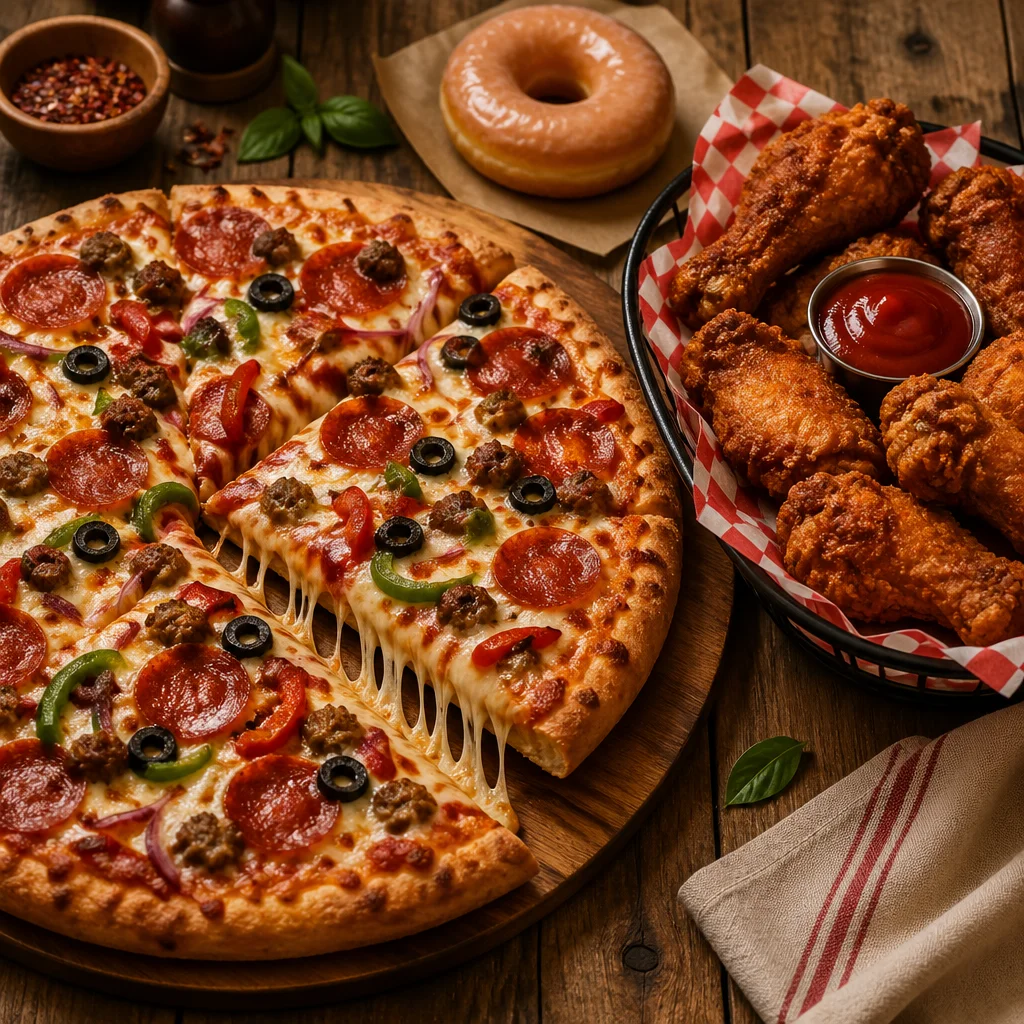
Skipping meals because of nausea makes it easy to under-eat protein, so check your ideal protein intake and treat it as your daily floor.
Introduction: Why Ozempic changes how you tolerate food
Ozempic works by helping you feel full sooner and longer, and it can also slow down how fast food moves through your stomach. That is great for appetite control, but it also means certain meals can just sit there and make you feel queasy. For me, nausea was worst when I ate too fast, ate too much, or went heavy on fried food. The trick is not to eat “perfect” but to eat in a way that your stomach can handle right now. Think smaller, simpler, and less greasy. And yes, your old favorites might need a little makeover for a while.
Top 5 nausea-triggering foods (numbered list for snippet)
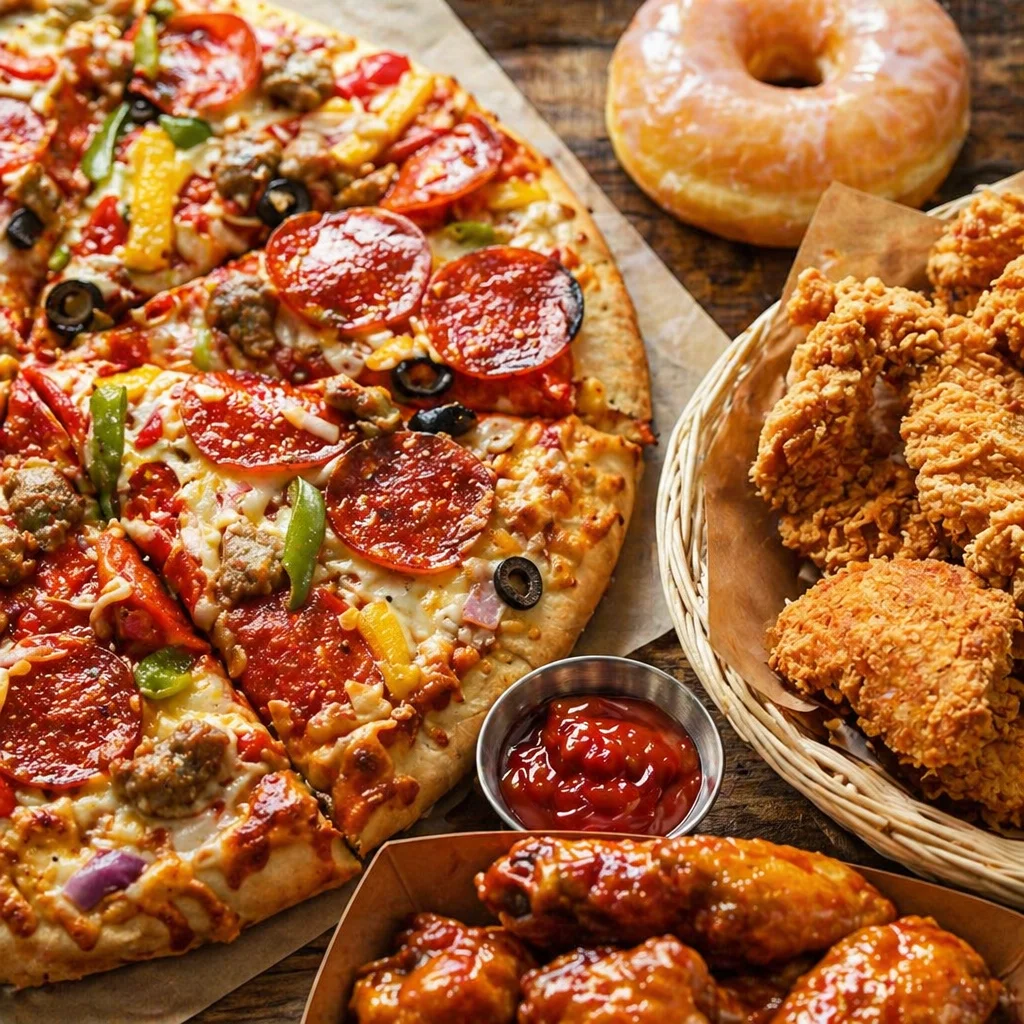
- Fried foods like fries, fried chicken, and anything deep-fried
- High-fat creamy meals like heavy cream sauces and super rich casseroles
- Very sugary foods like donuts, candy, sweet coffee drinks, and juice
- Huge meals even if they are “healthy” like a giant salad bowl or oversized burrito bowl
- Carbonated drinks that add pressure and bloating when your stomach is already slow
I know that list sounds like half the fun stuff, but it is not forever. It is more like a “my stomach is picky right now” season. One small change that helped me was having a protein first bite, then taking a pause before going back in. And if breakfast is tricky, a gentler option like these almond flour keto pancakes can feel way less intense than greasy diner pancakes with syrup.
Heavy cream and high-fat keto: why it backfires
I love a cozy, creamy meal as much as anyone. But on Ozempic, going full heavy cream keto can backfire fast. High fat foods tend to sit longer in the stomach, and when gastric emptying is already slowed, that can turn into nausea, burps, or that “ugh I ate a rock” feeling.
This is where some people get confused, because they think keto equals weight loss no matter what. But your comfort matters, and if you are nauseated, you might skip meals and end up under-eating protein, then feel weak and snacky later.
My simple rule for creamy foods
If a dish is mostly cream, cheese, and butter, I keep the portion tiny or I swap in lighter protein and a bright flavor. I still use fats, just not as the main event. A couple spoonfuls of Greek yogurt based sauce or a small sprinkle of cheese is usually fine for me, while a whole bowl of Alfredo is a no.
When I want something that feels like a treat without the heavy aftermath, I do a small portion dessert like chocolate coconut keto fat bombs and I literally treat it like a “two bites and done” situation. It scratches the itch without wrecking my stomach.
Greasy and fried foods: delayed gastric emptying explained
Here is the plain-English version. Ozempic slows digestion, so greasy food hangs around longer. That combo can trigger nausea and heartburn, and it can make you feel tired after eating. For me, fried food is the fastest way to go from “I feel fine” to “why did I do that.”
A big win is switching the cooking method, not just the ingredient. I still eat chicken, I just bake it or air fry it. Same with veggies. When I want something crispy and salty, I make air fryer Brussels sprouts with bacon and keep the bacon part modest. It hits that savory craving without the deep-fry regret.
High-sugar items: blood sugar spikes on GLP-1
Sugar is sneaky on Ozempic. Some people get nausea from super sweet foods, and some get that weird crashy feeling after a spike. Sweet coffee drinks were my personal downfall. They went down easy, then I felt gross for hours.
Also, high sugar foods can slow your progress because they are easy to overdo and they do not keep you full in a steady way, even if you are eating less overall. If you want something sweet, go smaller, pair it with protein, and aim for lower sugar options.
Large meal volumes: why less is more
This one surprised me. Even a “healthy” meal can trigger nausea if the volume is huge. A giant salad can feel like a brick if you eat it too fast. On Ozempic, less is more, and slower is better.
I do best with what I call mini plates. A few bites of protein, a little cooked veg, and something gentle like rice or potatoes if your plan includes them. Cooking veggies also helps, because raw roughage can be harder to tolerate when your stomach is moving slowly.
“Once I stopped trying to eat a normal sized dinner and started eating a small plate, my nausea dropped by like 80 percent. I finally felt like myself again.”
Approved alternatives for each avoid category
Ok, so what do you eat instead? Here is the part I wish someone had handed me earlier, because “avoid this” is only helpful if you have an easy swap.
- Instead of fried foods: air fryer or baked versions, like salmon, chicken, or roasted veggies
- Instead of heavy cream sauces: lighter sauces, broth based soups, salsa, lemon, herbs, or a small amount of yogurt based dressing
- Instead of high-sugar treats: small portions, lower sugar options, or protein paired snacks
- Instead of giant meals: split your plate in half, save the rest, and set a timer to check hunger in 30 to 60 minutes
- Instead of soda: still water, herbal tea, or water with lemon
If you need a super reliable dinner that does not feel oily, I love a simple sheet pan situation. This sheet pan honey mustard chicken with potatoes and broccoli is the kind of meal that feels normal and comforting, but not heavy.
Also, soups can be magic when nausea is hovering. Warm, salty, not too fatty. If you are stuck in the “everything sounds gross” phase, try something like a simple broth and shredded chicken, then build back up slowly.
FAQ: Can I eat pizza on Ozempic? Is butter OK on Wegovy?
Can I eat pizza on Ozempic?
You can, but it is one of the top foods to avoid on Ozempic if you are nausea prone. Pizza is usually greasy, high fat, and a big volume. If you do it, try one slice, eat slowly, and pair it with something light. Honestly, thin crust and less cheese tends to go better than deep dish.
Is butter OK on Wegovy?
Usually yes in small amounts, but big buttery meals can be rough. A little butter on veggies is different than a plate of buttery cream sauce. If you notice nausea, cut back and see if you feel better.
Why do I feel nauseated even with “healthy” food?
Portion size and speed matter a lot. Even healthy food can be too much volume at once, especially raw veggies, beans, and high fiber foods. Try smaller servings and more cooked foods.
What should I eat when I feel nauseous?
Think bland and simple. A few bites of lean protein, crackers if you tolerate them, broth, ginger tea, and small sips of water. Avoid greasy and super sweet foods until your stomach settles.
Do I have to avoid these foods forever?
No. Most people find they can reintroduce some foods in smaller portions once their body adjusts. The goal is to learn your triggers and keep yourself feeling good.
CTA to GLP-1 friendly recipes hub
If your biggest struggle is “what do I cook now,” I have been there. When nausea is unpredictable, having a short list of safe meals makes life easier. I keep my go-to ideas updated here: GLP-1 friendly recipes. Start with a couple breakfasts, a couple dinners, and one snack you actually like, and you will feel way less stressed.
A gentle wrap-up and my go-to comfort recipe idea
The big takeaway is simple: foods to avoid on Ozempic are usually the greasy, super rich, super sweet, and super large meals that sit heavy and trigger nausea. If you want a deeper dive from trusted medical sources, I liked this breakdown from Top 5 Foods to Avoid While Taking Ozempic – GoodRx, this helpful explanation from Can Certain Foods Impact Your Ozempic Side Effects?, and this overview from Ozempic for Weight Loss: What Foods to Eat and Avoid – Healthline. My personal comfort “recipe” lately is a small plate of baked protein, cooked veggies, and a bright sauce like lemon and herbs, nothing fancy, just steady and satisfying. Keep experimenting gently, listen to your stomach, and do not be afraid to make smaller portions your new normal for a bit. You have got this, and your next meal can actually feel good.