Stay Connected with Low Carb Glow

9 Cabbage Crush Recipes: Low-Carb & Gut-Healing (2026 Trend)

Looking for the complete guide? Visit our Ultimate Cabbage Crush Guide all 13 recipes plus cooking techniques and gut health science.
I’ll admit it I used to think of cabbage as that sad, overlooked vegetable sitting in the corner of the produce section, destined for nothing more exciting than boring boiled side dishes or the occasional coleslaw. But somewhere in the past year, something shifted. Cabbage became… cool? Suddenly my Pinterest feed was flooded with “Cabbage Crush” recipes, my Instagram was showing me golden, caramelized cabbage steaks, and everyone was talking about creamy cabbage alfredo like it was the second coming of pasta.
Here’s what nobody tells you about this humble vegetable: it’s one of the most underrated nutritional powerhouses in the produce aisle, and when you know how to cook it properly, it transforms into something genuinely crave-worthy. We’re not talking about musty, overcooked cabbage from your childhood cafeteria. We’re talking about crispy, caramelized edges. Creamy, satisfying noodles. Tender dumplings that rival any pasta dish.
Today, I’m sharing nine ways to join the Cabbage Crush movement recipes that prove this budget-friendly vegetable deserves a permanent spot in your low-carb rotation. Whether you’re here for the gut-healing benefits, the wallet-friendly price tag, or just because you’re curious about what everyone’s been raving about, you’re about to discover why cabbage is having its moment.
Quick Navigation: Find Your Cabbage Style
- Gut-Healing Cabbage Dishes
- Crispy & Roasted Methods
- Low-Carb Pasta Alternatives
- Comfort Food Makeovers
- Recipe Comparison Table
- Frequently Asked Questions
Why Cabbage Is Having Its Moment (And Why Your Gut Will Thank You)
Let’s talk about why cabbage suddenly went from “boring diet food” to Pinterest’s #1 predicted food trend of 2026. Part of it is practical in an era of high grocery prices, cabbage remains one of the most affordable vegetables you can buy. A whole head costs maybe $2 and feeds a family of four multiple times. But the real reason cabbage is crushing it right now? People are finally discovering what functional nutritionists like Maya have known for years: this vegetable is a gut health superstar.
Cabbage belongs to the cruciferous vegetable family, which means it’s loaded with compounds that support your body’s natural detoxification processes. It’s particularly rich in glutamine, an amino acid that helps repair and protect your gut lining which is exactly what you need if you’ve been dealing with bloating, digestive discomfort, or inflammation. Plus, cabbage is a fantastic source of fiber, vitamin C, vitamin K, and antioxidants, all while being incredibly low in calories and carbs.
When you cook cabbage properly roasting it until the edges caramelize, sautéing it with garlic and butter, or fermenting it into sauerkraut you unlock this sweet, almost nutty flavor that’s nothing like the bitter, sulfurous taste many people associate with overcooked cabbage. The key is high heat and not overcooking it. When cabbage gets that golden-brown color, it develops these crispy, caramelized bits that are genuinely addictive.
Gut-Healing Cabbage Dishes
These recipes harness cabbage’s natural therapeutic properties to support digestive health while tasting absolutely delicious.
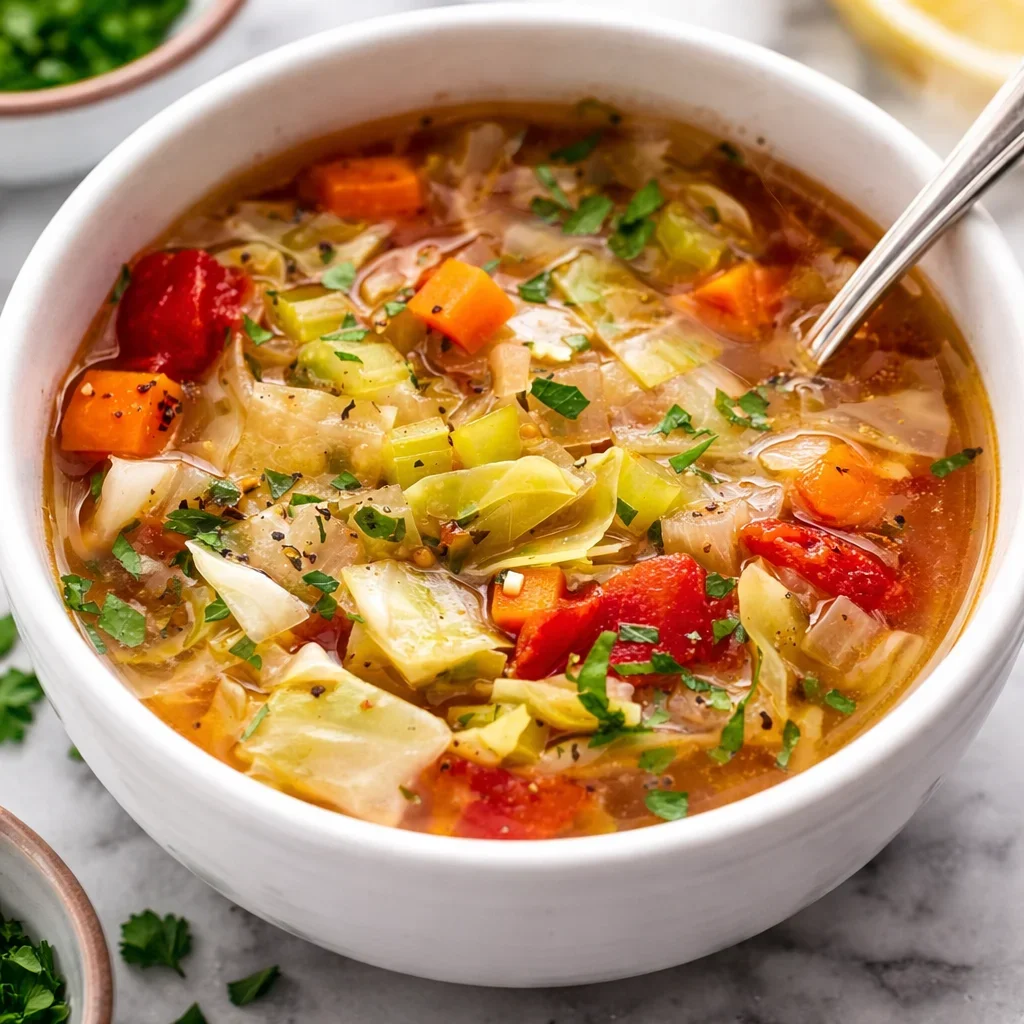
1. Gut-Healing Cabbage Soup (Anti-Inflammatory)
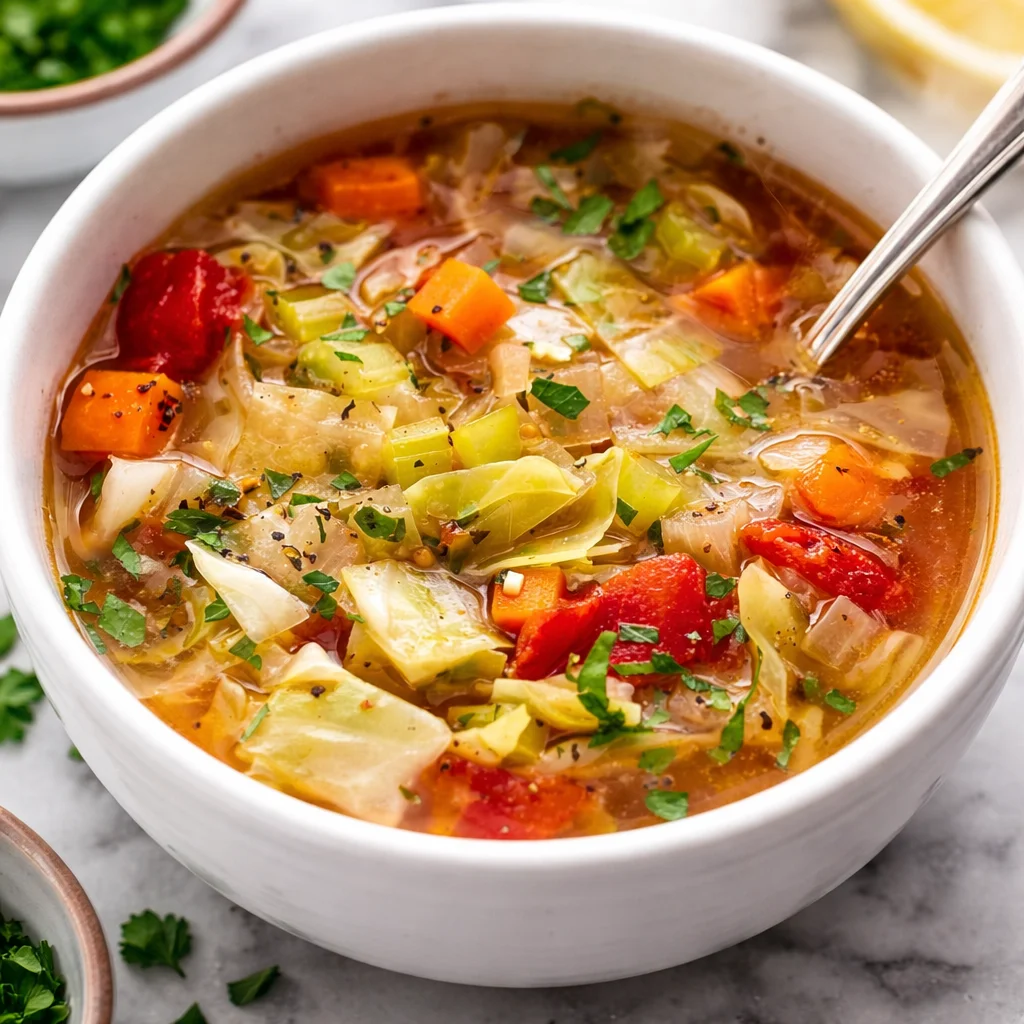
This isn’t your grandmother’s bland cabbage soup. This version is deeply flavorful, packed with anti-inflammatory ingredients, and specifically designed to be gentle on sensitive digestive systems while still being satisfying enough for a real meal.
What makes this soup special is the combination of bone broth (or vegetable broth if you’re plant-based), which provides collagen and minerals that support gut lining repair, with the glutamine-rich cabbage and other healing vegetables like celery and carrots. The soup is seasoned with turmeric and ginger both powerful anti-inflammatory spices but in amounts that enhance flavor without overwhelming your palate.
I love this recipe for anyone dealing with digestive issues because it’s one of those dishes that makes your body feel genuinely better after eating it. No bloating, no discomfort just nourishment. You can make a big batch on Sunday and eat it throughout the week, or freeze individual portions for those days when your digestion needs extra support.
2. Low-Carb Coleslaw (3 Delicious Ways)
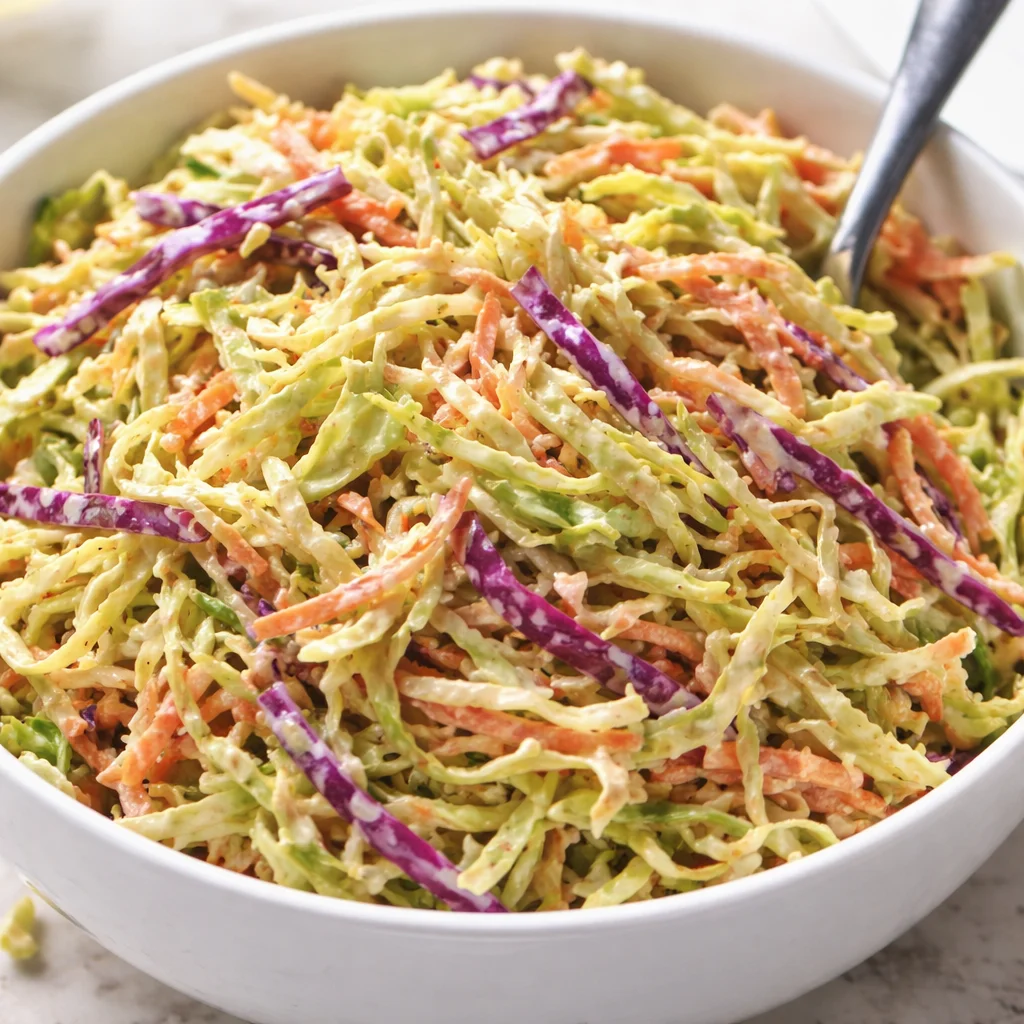
Coleslaw is one of those dishes that can either be amazing or absolutely terrible, with very little middle ground. The difference? How you dress it and how long you let it sit. These three variations give you options for every occasion creamy and classic, tangy and vinegar-based, or Asian-inspired with ginger and sesame.
What I appreciate about eating cabbage raw in coleslaw is that you’re getting maximum vitamin C content heat destroys some of that nutrient. Raw cabbage also provides different types of beneficial bacteria when properly prepared, especially if you let your coleslaw sit for a few hours to lightly ferment (which also makes it more digestible and develops deeper flavor).
The key to great coleslaw is salting your cabbage first and letting it sit for 15-20 minutes, then squeezing out the excess moisture. This prevents that watery pool of dressing that dilutes everything. You end up with crisp, flavorful slaw that holds up beautifully whether you’re serving it immediately or making it ahead for meal prep.
Crispy & Roasted Cabbage Methods
This is where cabbage really shines. High-heat cooking transforms this vegetable into something with incredible texture and deep, caramelized flavor.
3. Crispy Roasted Cabbage Wedges with Bacon
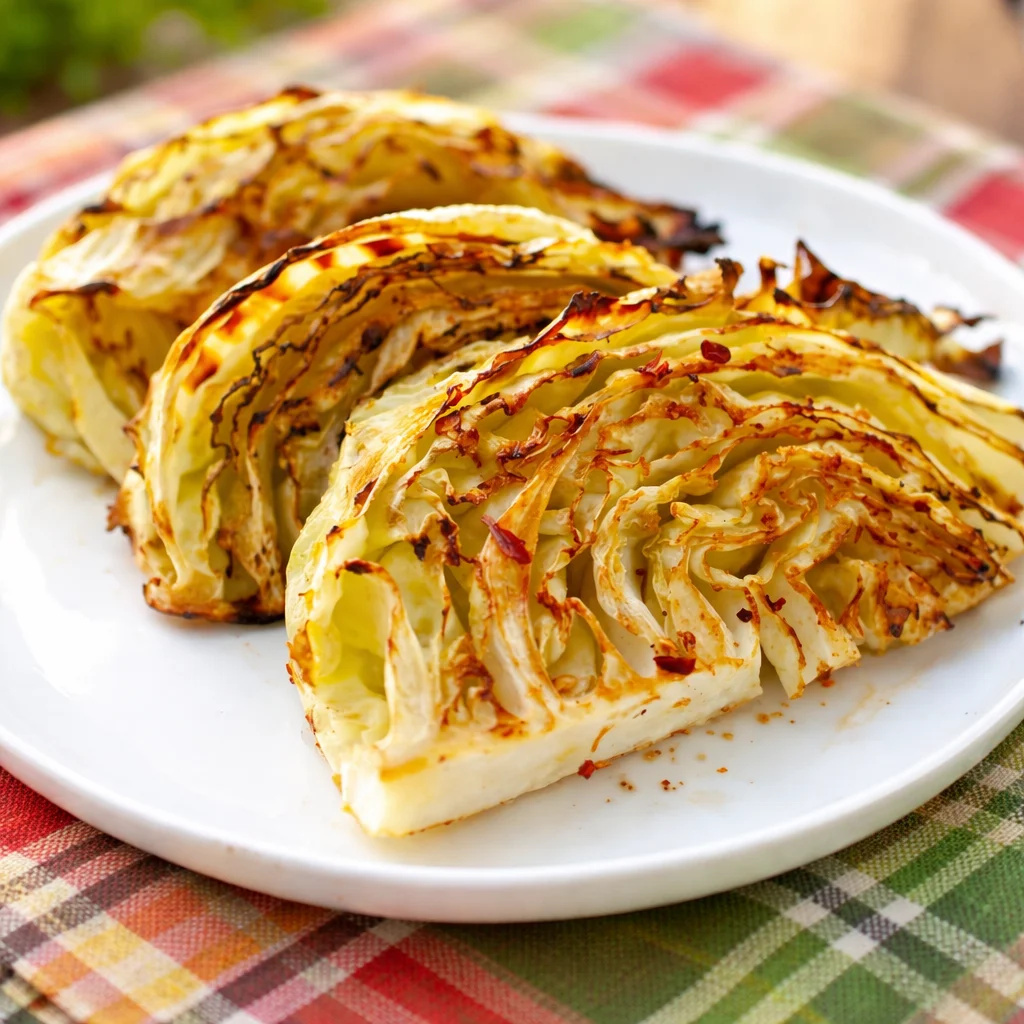
If you’ve never roasted cabbage before, prepare to have your mind blown. When you cut cabbage into thick wedges and roast them at high heat, something magical happens. The edges get crispy and caramelized, almost like potato chips, while the interior becomes tender and sweet. Add bacon, and you’ve got a side dish that people will actually fight over.
The secret is not moving the wedges around too much while they roast. You want that direct contact with the hot pan so the cut surfaces can develop that beautiful golden-brown color. I like to roast mine at 425°F for about 25-30 minutes, flipping once halfway through. The bacon renders out its fat, which bastes the cabbage as it cooks, adding incredible flavor.
This is one of those recipes that makes people who claim to hate cabbage change their minds. It’s crispy, it’s savory, it’s got bacon what’s not to love? Plus, it’s incredibly budget-friendly. One head of cabbage and a few strips of bacon can feed 4-6 people for under $5 total.
4. Pan-Fried Cabbage Steaks with Garlic Butter
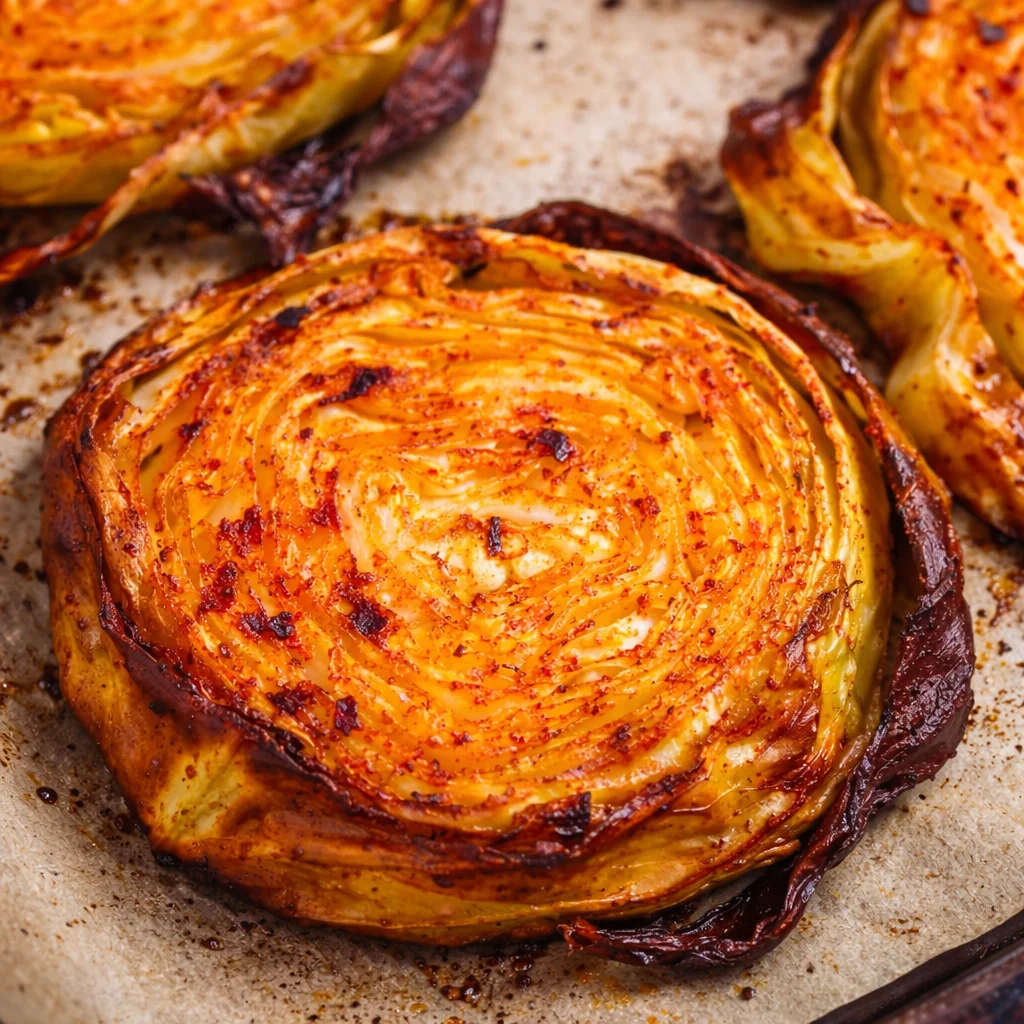
Cabbage steaks are having a massive moment right now, and for good reason. When you slice cabbage into thick rounds and pan-fry them in butter until they’re golden and tender, they become substantial enough to be the star of the meal, not just a side dish.
The garlic butter is what elevates this from simple to spectacular. As the butter melts and mingles with the caramelizing cabbage, it creates this sauce that’s rich, aromatic, and absolutely delicious. I like to finish mine with a squeeze of lemon juice to brighten everything up and add a little freshness to balance the richness.
What makes cabbage steaks particularly appealing for low-carb eating is that they’re filling and satisfying in a way that most vegetables aren’t. The substantial texture and rich butter coating make this feel like comfort food, not diet food. Serve it alongside a grilled protein, or top it with a fried egg for a complete vegetarian meal.
Low-Carb Pasta Alternatives
This is where the Cabbage Crush really took off on social media. People discovered you could use cabbage as a pasta substitute, and it actually works.
5. Buttery Garlic Cabbage Noodles (15-Minute Side)
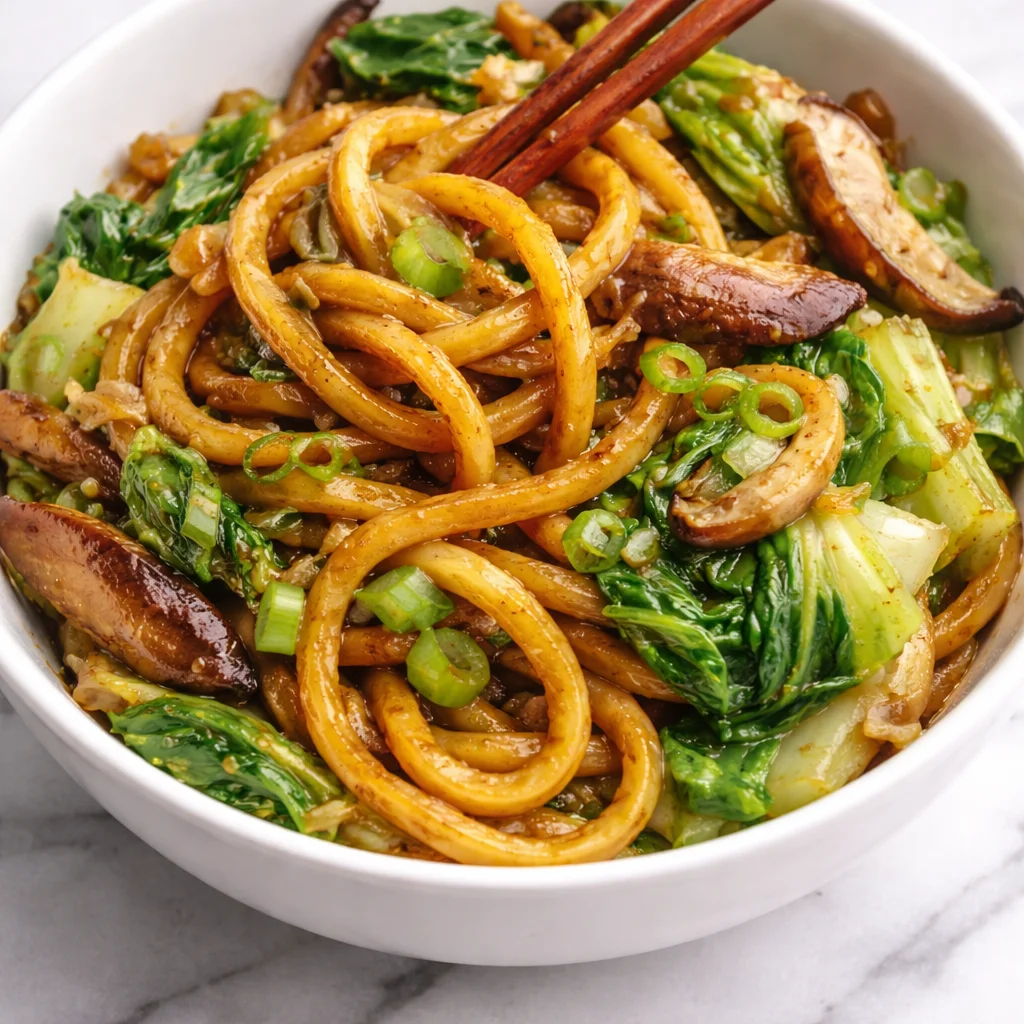
When you slice cabbage thinly and sauté it with butter and garlic, it softens into these noodle-like ribbons that actually do a pretty convincing job of mimicking pasta. The key is slicing it thin enough about 1/4 inch thick so it cooks quickly and has that tender-but-still-slightly-crisp texture.
What I love about this recipe is how fast it comes together. Fifteen minutes from start to finish, and you’ve got a side dish that pairs with literally anything grilled chicken, pan-seared salmon, meatballs, whatever you’ve got. The garlic and butter create this simple but deeply satisfying sauce that coats the cabbage ribbons beautifully.
This is also one of those dishes where cabbage’s natural sweetness really shines through. As it cooks, the sugars caramelize slightly, creating this sweet-savory flavor that’s way more complex than you’d expect from such simple ingredients. It’s comfort food that happens to be incredibly good for you.
6. Creamy Cabbage Alfredo (Low-Carb Pasta Swap)

This is the recipe that broke the internet and launched a thousand Pinterest boards. Creamy cabbage alfredo takes those cabbage noodles and tosses them in a rich, creamy parmesan sauce that rivals any traditional pasta alfredo you’ve ever had.
The genius of this dish is that cabbage’s mild flavor doesn’t compete with the alfredo sauce it just soaks it up and becomes this creamy, indulgent bowl of comfort. You get all the satisfaction of pasta alfredo with a fraction of the carbs and calories, plus you’re getting significant fiber and nutrients from the cabbage.
The recipe includes options for dairy-free versions using cashew cream, which is great for anyone avoiding dairy but still craving that rich, creamy texture. You can also add grilled chicken, shrimp, or crispy bacon to turn this side dish into a complete meal. This is the kind of recipe that makes people genuinely excited about eating vegetables.
Comfort Food Makeovers
These recipes take traditional comfort foods and reimagine them with cabbage as the star ingredient.
7. Low-Carb Stuffed Cabbage Rolls (No Rice)
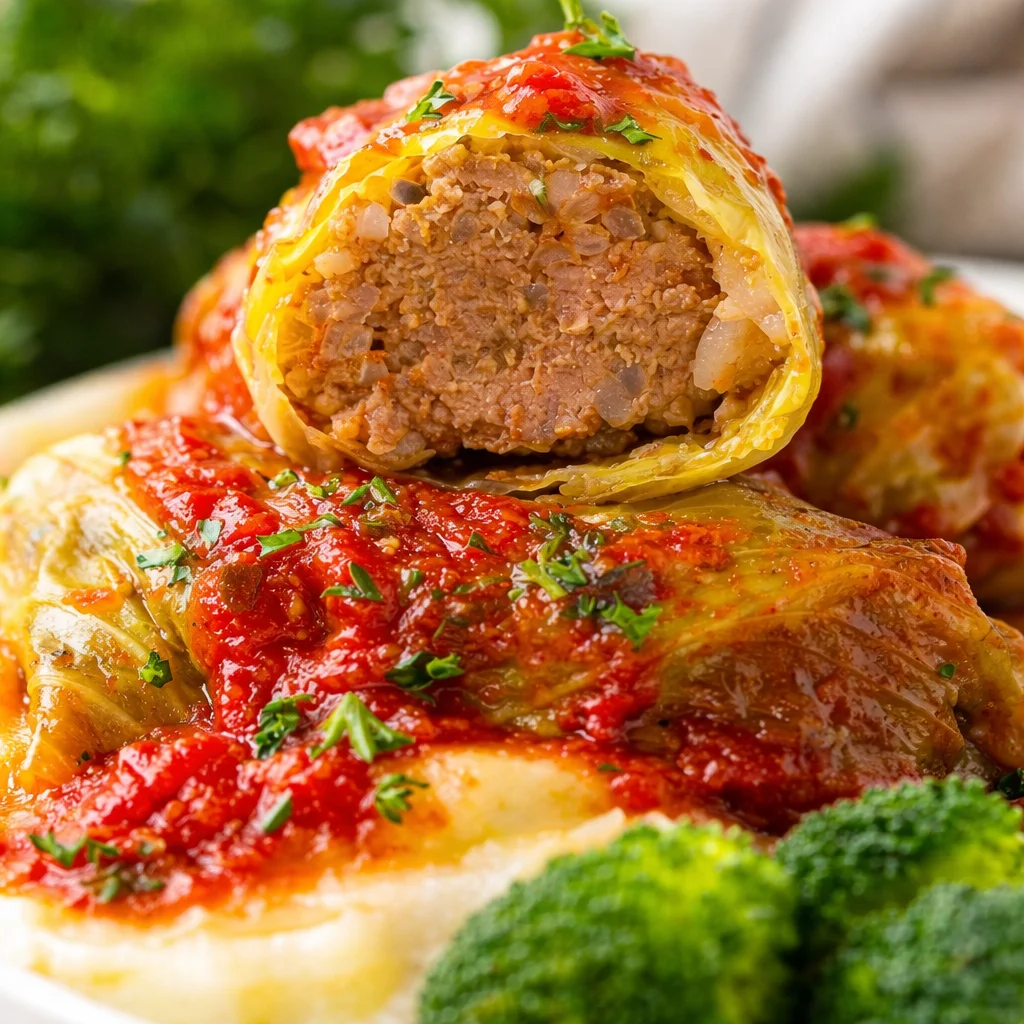
Stuffed cabbage rolls are one of those classic comfort foods that transcend cultures nearly every cuisine has some version of meat and vegetables wrapped in cabbage leaves. This low-carb version skips the rice (which is traditional but adds unnecessary carbs) and instead uses riced cauliflower or just increases the meat and vegetable ratio.
What makes stuffed cabbage rolls particularly satisfying is the combination of textures the tender cabbage leaves, the savory filling, and the rich tomato sauce all come together into something deeply comforting. These are perfect for meal prep because they actually taste better the next day after all the flavors have had time to meld together.
The recipe includes tips for blanching the cabbage leaves so they’re pliable enough to roll without tearing, plus instructions for both oven baking and slow cooker methods. You can make a big batch and freeze them individually, then pull out however many you need for dinner. It’s comfort food that loves you back.
8. Low-Carb Cabbage Dumplings (Asian-Inspired)
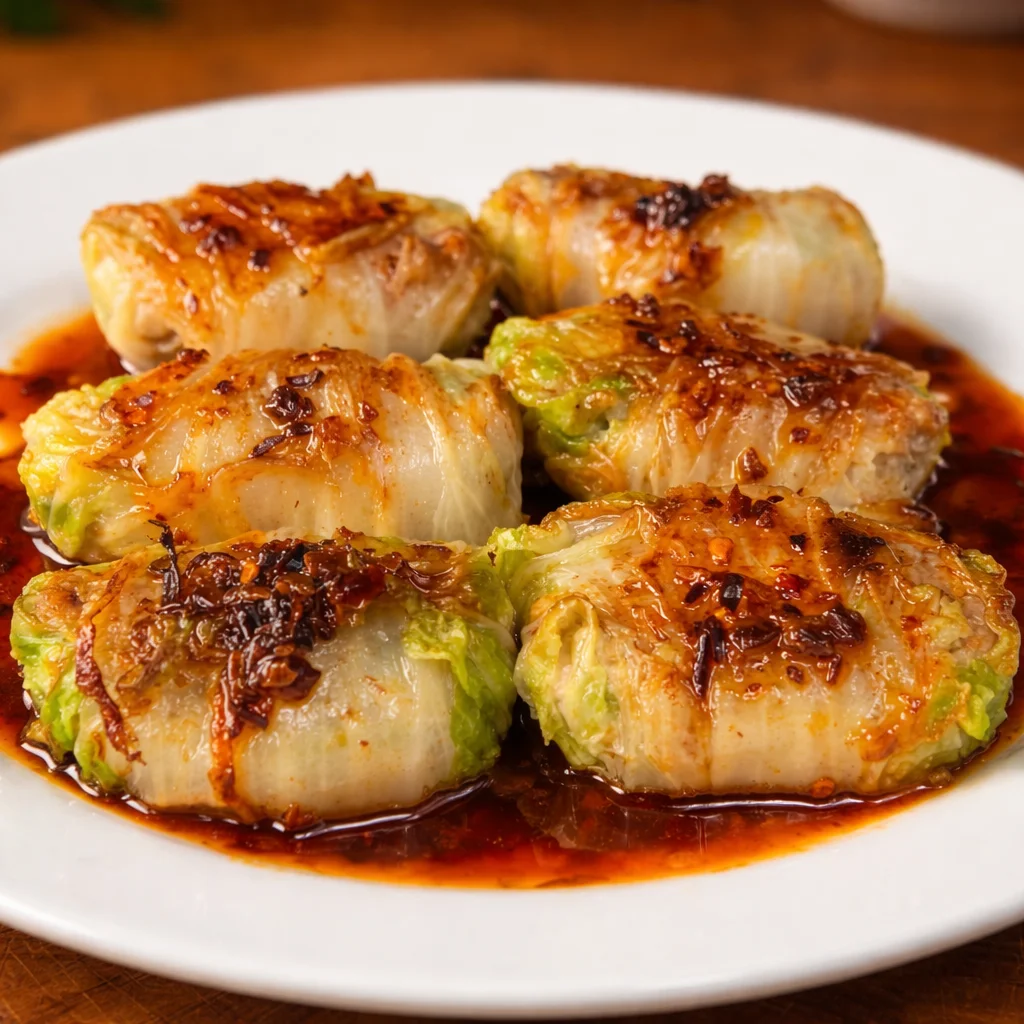
These dumplings use cabbage leaves as wrappers instead of traditional wheat-based dumpling skins, creating a lighter, low-carb version that’s every bit as delicious as the original. The filling is a savory mixture of ground pork (or chicken, or tofu for vegetarians), ginger, garlic, and sesame oil all the classic Asian flavors you love.
What’s brilliant about using cabbage as the wrapper is that it’s actually easier than working with delicate dumpling dough. Cabbage leaves are forgiving they don’t tear as easily, and you don’t need any special folding techniques. Just blanch them until tender, add your filling, fold them up, and cook them however you prefer steamed, pan-fried, or boiled in soup.
The recipe includes multiple dipping sauce options, from a classic soy-ginger sauce to a spicy chili oil version. These dumplings are perfect for a cozy weeknight dinner or for impressing guests who think they can’t have dumplings on a low-carb diet. Spoiler: they absolutely can.
9. Oven-Baked Cabbage Burgers: A Healthy Twist on Classic Flavor
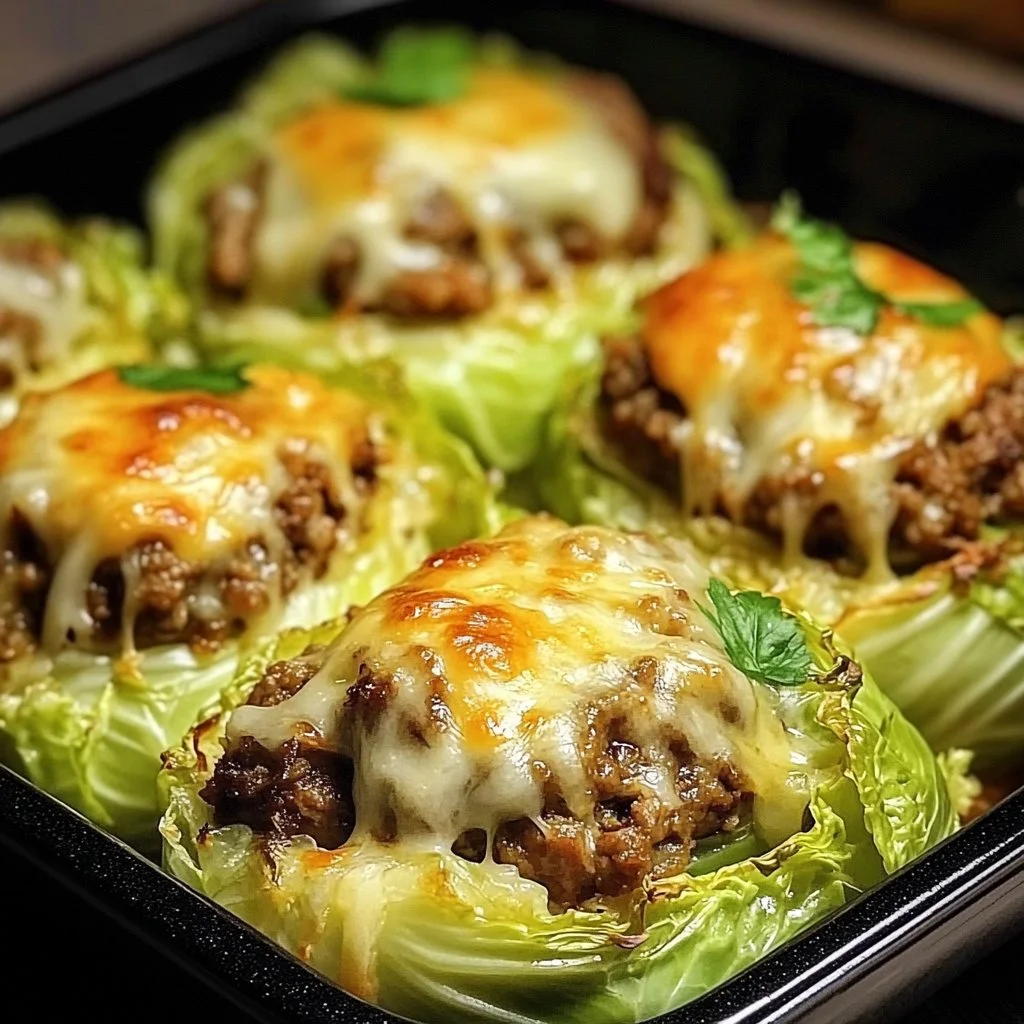
These aren’t burgers in the traditional sense they’re more like savory cabbage patties that capture all the flavors of a classic burger without the bun or the need for a grill. Ground beef is mixed with shredded cabbage, onions, and seasonings, then formed into patties and baked until golden brown.
The cabbage serves double duty here: it adds moisture to keep the patties tender (so they don’t dry out in the oven), and it stretches the meat so you’re getting more servings from less beef, which is great for your budget. The flavor is surprisingly authentic all those burger seasonings you love are there, from the garlic and onion to the Worcestershire sauce and mustard.
These are fantastic for meal prep because you can make a big batch, freeze them, and reheat them throughout the week. Serve them with a side salad, over cauliflower rice, or even in a lettuce wrap if you want that burger experience. They’re proof that you don’t need bread to enjoy burger flavor.
Cabbage Recipe Comparison Table
Not sure which recipe to try first? Here’s a quick comparison to help you decide:
| Recipe | Prep Time | Cooking Method | Best For | Gut-Friendly? | Budget Rating |
|---|---|---|---|---|---|
| Gut-Healing Soup | 15 min | Stovetop/Slow Cooker | Digestive support | Yes! | $$$ |
| Coleslaw (3 Ways) | 10 min | No cooking | Quick sides, BBQs | Yes | $$$ |
| Roasted Wedges | 5 min | Oven roast | Crispy texture lovers | Yes | $$$ |
| Garlic Noodles | 5 min | Stovetop sauté | Fast weeknights | Yes | $$$ |
| Stuffed Rolls | 30 min | Oven/Slow cooker | Meal prep, comfort | Yes | $$ |
| Cabbage Dumplings | 25 min | Steam/Pan-fry | Impressive meals | Yes | $$ |
| Cabbage Steaks | 5 min | Pan-fried | Main dish option | Yes | $$$ |
| Cabbage Alfredo | 10 min | Stovetop | Pasta cravings | Maybe* | $$ |
| Cabbage Burgers | 15 min | Oven baked | Budget stretching | Yes | $$$ |
The Science Behind Cabbage’s Gut-Healing Powers
Let’s get a little nerdy for a moment and talk about why cabbage is such a superstar for digestive health. Understanding the science helps you appreciate what you’re doing for your body when you eat these recipes.
Glutamine Content: Cabbage is one of the richest vegetable sources of L-glutamine, an amino acid that serves as fuel for the cells lining your intestines. When your gut lining is healthy and intact, it functions as a selective barrier letting nutrients in while keeping toxins and undigested food particles out. Glutamine helps repair and maintain this barrier, which is especially important if you’ve been dealing with digestive issues.
Fiber for Microbiome Diversity: The fiber in cabbage isn’t just about keeping you regular (though it does that too). It acts as a prebiotic, feeding the beneficial bacteria in your gut. A diverse, thriving microbiome is associated with better digestion, stronger immunity, more stable moods, and even easier weight management.
Anti-Inflammatory Compounds: Cabbage contains sulforaphane and other glucosinolates compounds that support your body’s natural detoxification processes and help reduce inflammation throughout your digestive tract. This is why cabbage-based soups and dishes have been used as folk remedies for stomach issues for generations.
Vitamin U (S-Methylmethionine): Despite its name, this isn’t technically a vitamin, but it’s a compound found in cabbage that has been shown to protect the stomach lining and may help heal ulcers. Raw cabbage juice was actually used medicinally for this purpose before modern medications existed.
How to Buy, Store, and Prep Cabbage Like a Pro
Choosing the Best Cabbage: Look for heads that feel heavy for their size with tightly packed leaves. Avoid any with browning edges, soft spots, or a strong sulfur smell. Green cabbage is the most versatile and budget-friendly. Red cabbage has slightly more antioxidants and adds beautiful color. Savoy cabbage (the crinkly one) is more tender and great for stuffed rolls.
Storage Tips: Whole cabbage keeps in your crisper drawer for weeks sometimes up to a month if it’s very fresh. Once you’ve cut into it, wrap the cut surface tightly in plastic wrap or store it in an airtight container. It’ll keep for about a week cut.
Reducing Bitterness: If you find cabbage bitter, try salting it lightly and letting it sit for 15-20 minutes before cooking. This draws out some of the bitter compounds. Rinsing and squeezing out the moisture afterward gives you milder, sweeter cabbage.
Preventing Odor: That stereotypical “boiled cabbage” smell happens when you overcook it. The sulfur compounds break down and become more pungent the longer you cook cabbage. The solution? Don’t overcook it. Roast at high heat for caramelization, or sauté quickly just until tender-crisp.
Frequently Asked Questions About Cooking Cabbage
Is cabbage actually good for your gut?
Why does cabbage make me bloated? Can you eat cabbage raw on a low-carb diet? What’s the best way to cook cabbage to avoid the smell? Can I substitute cabbage for pasta in any recipe? How long does cooked cabbage last in the fridge? Is cabbage anti-inflammatory?
Is cabbage actually good for your gut?
Yes, cabbage is exceptional for gut health. It’s rich in glutamine, which helps repair and protect the intestinal lining, and contains fiber that feeds beneficial gut bacteria. Cabbage also has anti-inflammatory compounds that can reduce digestive inflammation. However, some people with sensitive digestive systems may find raw cabbage difficult to digest cooking it makes it easier on your stomach while retaining many of the beneficial compounds.
Why does cabbage make me bloated?
Cabbage contains raffinose, a complex sugar that humans can’t fully digest. When it reaches your large intestine, gut bacteria ferment it, producing gas. This is actually a sign that you’re feeding your microbiome, but it can be uncomfortable. To reduce bloating: cook your cabbage thoroughly (which breaks down some of the raffinose), start with small portions if you’re not used to eating it, and consider taking a digestive enzyme supplement that contains alpha-galactosidase when eating cabbage-heavy meals.
Can you eat cabbage raw on a low-carb diet?
Absolutely! Raw cabbage is excellent for low-carb eating. A full cup of shredded raw cabbage contains only about 5 grams of carbs and 2 grams of fiber, making it just 3 net carbs. Raw cabbage also retains maximum vitamin C and beneficial enzymes that cooking destroys. Coleslaw, raw cabbage slaw, and thinly sliced cabbage in salads are all great options. Just remember to start with smaller portions if your digestive system isn’t used to raw cruciferous vegetables.
What’s the best way to cook cabbage to avoid the smell?
High-heat, short-duration cooking methods are your best bet for avoiding that stereotypical cabbage odor. Roasting at 425°F, pan-frying over medium-high heat, or quick stir-frying all caramelize the natural sugars in cabbage and prevent the sulfur compounds from breaking down into smelly molecules. If you’re boiling or simmering cabbage, don’t overcook it keep it to 5-7 minutes maximum for shredded cabbage. Adding acidic ingredients like lemon juice or vinegar can also help neutralize odors.
Can I substitute cabbage for pasta in any recipe?
Cabbage works well as a pasta substitute in creamy, saucy dishes like alfredo, or in noodle-based soups and stir-fries. It’s less successful in dishes where pasta’s specific texture is essential (like baked ziti or lasagna). The key is slicing cabbage thinly about 1/4 inch thick so it cooks quickly and has a tender, noodle-like texture. It won’t taste exactly like pasta, but it provides a satisfying vehicle for sauces while adding nutrients and fiber that pasta lacks.
How long does cooked cabbage last in the fridge?
Properly stored cooked cabbage lasts 3-5 days in the refrigerator in an airtight container. Some dishes, like stuffed cabbage rolls or cabbage soup, actually taste better after a day or two as the flavors meld together. For longer storage, most cooked cabbage dishes freeze well for up to 3 months. Just let them cool completely before freezing, and reheat gently to prevent overcooking.
Is cabbage anti-inflammatory?
Yes, cabbage has significant anti-inflammatory properties, primarily due to compounds called glucosinolates and antioxidants like vitamin C and kaempferol. These compounds help reduce inflammation throughout the body, including in the digestive tract. This is why cabbage-based foods have traditionally been used to soothe stomach issues and support overall gut health. For maximum anti-inflammatory benefits, include a variety of cooking methods both raw (for enzymes and vitamin C) and cooked (for easier digestion and bioavailability of certain compounds).
Why the Cabbage Crush Isn’t Going Anywhere
Here’s the thing about food trends: most of them fade because they’re based on novelty rather than substance. The Cabbage Crush is different. This isn’t about cabbage being “hot” right now it’s about people rediscovering a vegetable that’s been nourishing humans for thousands of years and realizing it actually tastes incredible when you know how to cook it properly.
Cabbage checks every box we’re looking for in 2026: it’s affordable when grocery prices are climbing, it’s genuinely nutritious when we’re all trying to eat better, it’s versatile enough to satisfy any craving from comfort food to light and fresh, and it actually supports our health goals instead of sabotaging them. That’s not a trend that’s just smart eating.
The recipes in this roundup represent the best of what cabbage can do. They prove you don’t have to choose between food that’s good for you and food that tastes good. You can have crispy, golden, butter-drenched cabbage steaks. You can have creamy, indulgent alfredo that happens to be packed with fiber and gut-healing compounds. You can have comforting dumplings and stuffed rolls and all the things that make eating feel like a pleasure instead of a chore.
Ready to Join the Cabbage Crush?
I’d love to hear which recipe you’re most excited to try! Leave a comment below and let me know, or if you’ve already jumped on the cabbage bandwagon, share your favorite way to prepare it your experience might inspire someone else to give it a try.
Want more gut-healing recipes and science-backed nutrition tips delivered to your inbox? Join the LowCarbGlow community by subscribing to our weekly newsletter. You’ll get exclusive recipes, meal planning strategies, and honest talk about making healthy eating work in real life. Plus, new subscribers get my free “Gut Health Starter Guide” with simple strategies for better digestion.
Here’s to discovering that vegetables can be exciting, that healthy food can taste incredible, and that sometimes the most nourishing ingredients are also the most budget-friendly. Your gut (and your wallet) will thank you.
Additional Resources on Cabbage & Gut Health
Looking for more evidence-based information about cabbage and digestive health? Check out these trusted resources:
- Healthline: 9 Impressive Health Benefits of Cabbage – Comprehensive, science-backed overview of cabbage nutrition
- Harvard Health: The Gut-Brain Connection – Research on how gut health affects overall wellbeing
- Academy of Nutrition and Dietetics: Prebiotic Foods – Professional guidance on foods that support gut bacteria
Disclaimer: The information in this article is for educational purposes only and is not intended as medical advice. While cabbage has many health benefits, individual responses vary. If you have digestive issues or health conditions, consult with your healthcare provider before making significant dietary changes.