Stay Connected with Low Carb Glow

The Cabbage Crush: 13 Low-Carb Cabbage Recipes That Actually Taste Amazing (2026)

I’ll be honest with you I used to walk past cabbage every single week at the grocery store without a second glance. It sat there looking humble and a little sad, sandwiched between the kale and the Brussels sprouts, waiting for someone to finally pay attention.
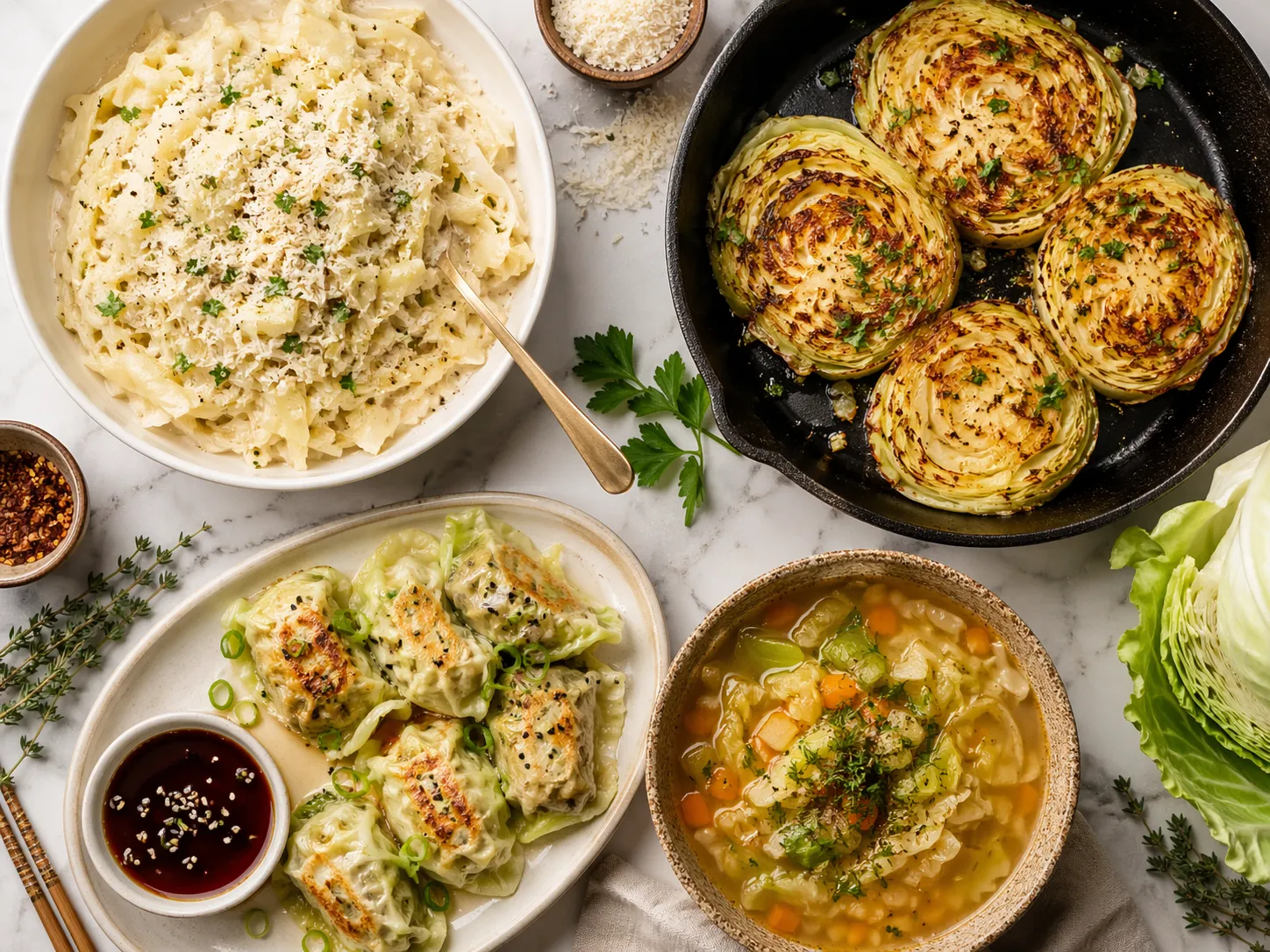
Then 2026 happened. Suddenly my entire Pinterest feed was nothing but golden cabbage steaks, creamy cabbage alfredo, and the most beautiful cabbage dumplings I’d ever seen. The algorithm had spoken: cabbage is the new kale.
Pinterest officially named the Cabbage Crush as their #1 predicted food trend for 2026 and honestly? I get it. After spending weeks testing every cabbage recipe I could dream up, I can tell you this vegetable has been wildly underestimated. When you cook it right, cabbage becomes caramelized and nutty, silky and satisfying, hearty enough to anchor a whole meal. And for low-carb eating? It’s basically a cheat code.
This is your complete guide to the Cabbage Crush. I’ve pulled together every cabbage recipe we’ve developed here at LowCarbGlow organized by what you’re hungry for, how much time you have, and what your gut needs. Whether you’re a cabbage convert or you’re still skeptical, there’s something in here that’s going to change your mind.
Why Cabbage Became the Star of 2026
It wasn’t random. The Cabbage Crush happened because cabbage quietly checks every box that 2026 eaters care about most.
It’s affordable we’re talking under $2 for a head that feeds a family. It’s gut-friendly, loaded with fiber and prebiotics that feed the good bacteria your microbiome depends on. It’s wildly versatile, swapping in anywhere pasta, rice, or noodles would normally go. And perhaps most importantly, it holds up beautifully to every cooking method you can throw at it: roasting, braising, stir-frying, fermenting, slow-cooking.
From a low-carb perspective, cabbage is practically perfect. A full cup of shredded raw cabbage has just 5 grams of carbs and 2 grams of fiber, making the net carb count around 3 grams. You can eat a genuinely satisfying portion and barely register it on your macros. That’s why the Cabbage Alfredo trend went viral people realized they could have a creamy, comforting pasta-style dish for a fraction of the carbs.
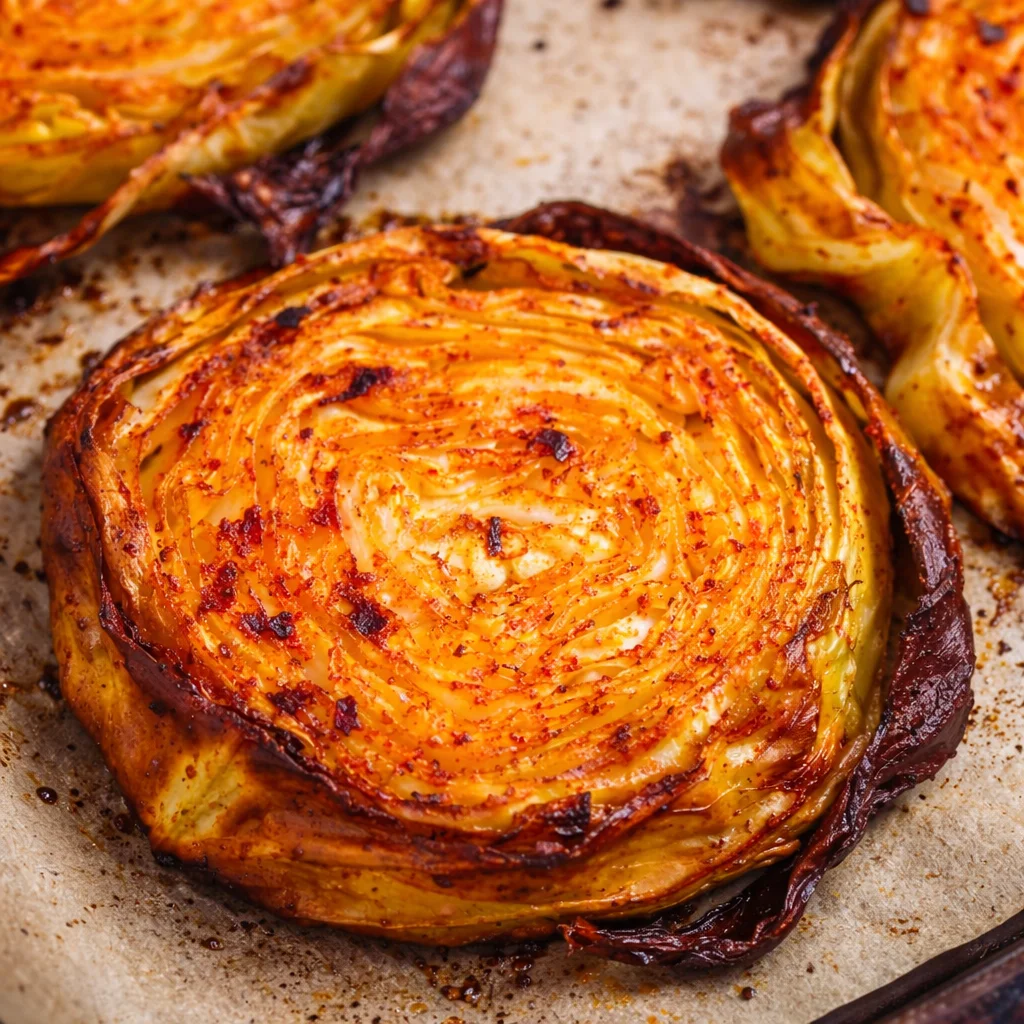
But the real reason cabbage is having its moment? The flavor, when done properly, is genuinely incredible. Caramelized cabbage has a natural sweetness that develops in the pan. Roasted cabbage gets crispy and nutty at the edges. Fermented cabbage is tangy and complex. This isn’t diet food dressed up it’s real food that happens to be good for you.
The Cabbage Crush Nutrition Numbers
Before we get into the recipes, here’s why cabbage deserves a permanent spot in your low-carb kitchen:
- Net carbs: ~3g per cup (raw, shredded) source: USDA FoodData Central
- Fiber: 2g per cup feeds your gut microbiome
- Vitamin C: 54% of your daily needs in one cup
- Vitamin K: 85% of your daily needs essential for bone health
- Glucosinolates: Anti-inflammatory compounds linked to reduced inflammation
- Cost: $1–2 per head, making it one of the most budget-friendly low-carb vegetables available
The gut health angle is particularly worth noting. Cabbage contains glutamine, which supports the gut lining, and when fermented (like sauerkraut or kimchi), it becomes a probiotic powerhouse that actively diversifies your microbiome. If you’re working on gut healing alongside your low-carb eating, cabbage is one of the most powerful tools in your kitchen.
The Complete Cabbage Crush Recipe Collection
Here’s every cabbage recipe we’ve developed at LowCarbGlow, organized by category so you can find exactly what you need.
Cabbage as a Pasta Swap The Recipes That Started the Trend
This is where the Cabbage Crush really began. Food creators discovered that shredded or thinly sliced cabbage, cooked until just tender, has a texture that pasta lovers find genuinely satisfying. It soaks up sauces beautifully, holds its shape without going mushy, and carries flavors in a way that zucchini noodles simply can’t match.
Why Cabbage Beats Other Low-Carb Pasta Swaps
If you’ve tried zucchini noodles and ended up with a watery puddle, or cooked shirataki noodles and couldn’t get past the texture, cabbage is about to become your new favourite solution. Here’s how it honestly compares:
| Swap | Net Carbs/Cup | Texture | Problem |
|---|---|---|---|
| Cabbage noodles | ~3g | Silky, holds sauce well | None this is the winner |
| Zucchini noodles | ~3g | Watery if overcooked | Releases too much water into sauce |
| Shirataki noodles | ~1g | Rubbery, squeaky | Difficult texture, strong smell when raw |
| Hearts of palm pasta | ~2g | Firm, slightly chewy | Expensive, hard to find |
| Spaghetti squash | ~7g | Stringy, watery | Higher carbs, takes 45+ minutes to cook |
Cabbage wins on every practical front it’s cheaper than all of them, available in every supermarket, cooks in under 10 minutes, and doesn’t water down your sauce. The only thing zucchini noodles do better is hold their shape in cold salads. For everything hot and saucy, cabbage is the superior choice.
The key technique that separates good cabbage noodles from great ones: cook them in a dry pan first, without any liquid, over high heat for 3–4 minutes before adding your butter or sauce. This drives off the natural moisture and creates a slightly caramelized surface that clings to sauces beautifully.
Creamy Cabbage Alfredo (Low-Carb Pasta Swap)
This is the recipe that made the Cabbage Crush go mainstream and for good reason. Thinly shredded cabbage is cooked until just tender, then coated in a rich, garlicky parmesan cream sauce. The result is so satisfying that readers write in to say they don’t miss real pasta at all. Under 8 net carbs per generous serving. By Elena Martinez.
Buttery Garlic Cabbage Noodles (15-Minute Side)
The simplest entry point into cabbage noodles just butter, garlic, and the right cut of cabbage. Ready in 15 minutes, pairs with anything from grilled chicken to leftover steak. Once you make these, you’ll add them to your weekly rotation automatically. By Jordan Blake.
Cabbage Soups Gut-Healing and Deeply Satisfying
Soup is where cabbage absolutely shines. It adds bulk and nutrition without adding significant carbs, and it absorbs the flavors of whatever you’re cooking it in. Your Pinterest audience agrees gut-healing cabbage soup is your #1 performing pin with nearly 29,000 impressions.
Gut-Healing Cabbage Soup (Anti-Inflammatory)
This is the recipe your gut has been waiting for. Built around cabbage, bone broth, turmeric, and anti-inflammatory vegetables, it’s designed to reduce bloating, support digestion, and calm the gut lining. Ideal as a weekly reset meal or when your stomach needs some extra care. By Elena Martinez.
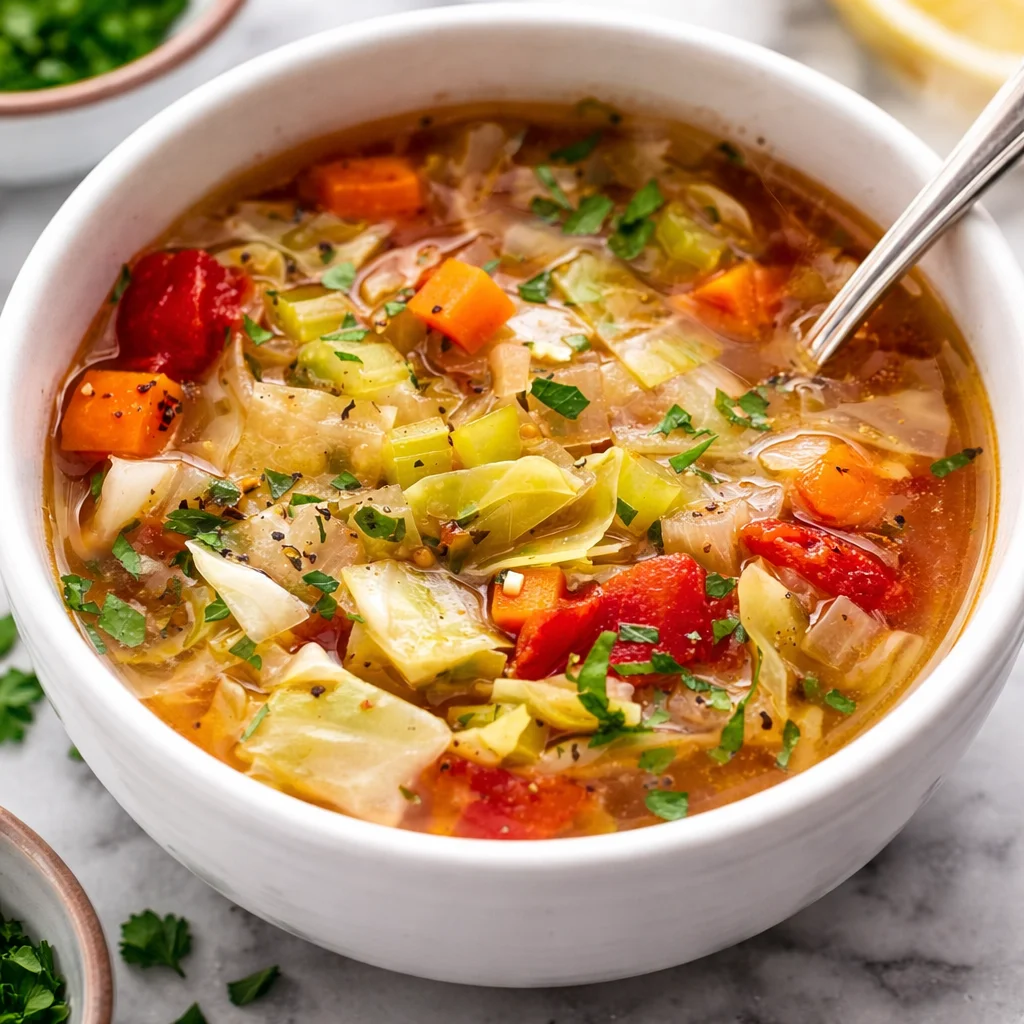
Healing Garlicky Cabbage Soup
Deeply savory and deceptively simple this is the soup you make when you need something nourishing but don’t have the energy to cook anything complicated. The garlic quantity might surprise you, but it creates a broth so rich it feels like it took hours. It didn’t. By Jordan Blake.
Easy Cabbage Roll Soup
All the flavors of classic stuffed cabbage rolls beef, tomato, tender cabbage but made in one pot in a fraction of the time. No rolling, no fussing, just a deeply comforting soup that hits every comfort food note. By Chloe Peterson.
Stuffed Cabbage The Classics, Made Low-Carb
Stuffed cabbage rolls are one of those dishes that feel like they require a whole afternoon and a grandmother watching over your shoulder. They don’t. These versions get you to the same deeply satisfying result with far less effort and without any rice.
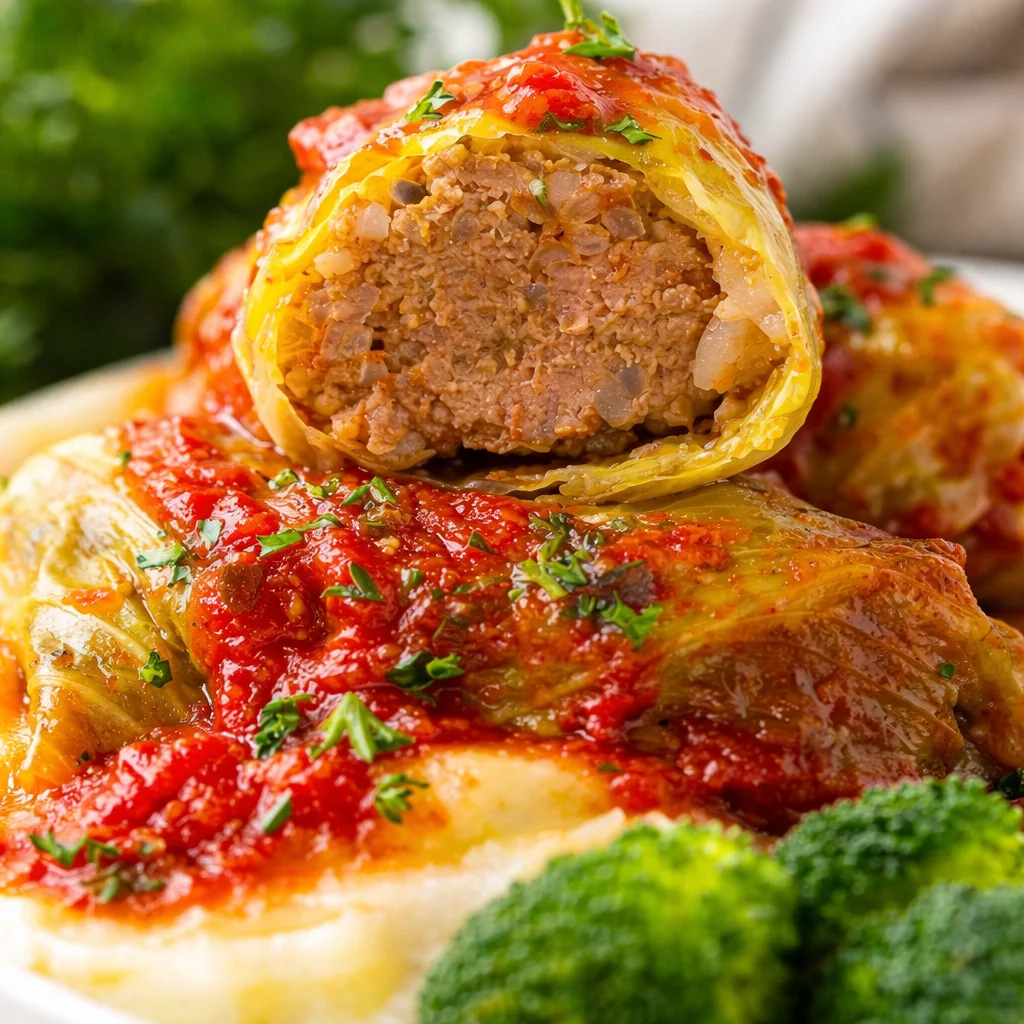
Low-Carb Stuffed Cabbage Rolls (No Rice)
The most traditional version in our collection tender cabbage leaves filled with seasoned ground beef and simmered in a tomato-herb sauce. The rice is replaced with cauliflower rice so you get the exact same texture and satisfaction without the carb spike. By Chloe Peterson.
Slow Cooker Unstuffed Cabbage Rolls
The shortcut that doesn’t taste like a shortcut. Instead of rolling each leaf individually, everything goes into the slow cooker and does its own thing while you get on with your day. Come home to a pot of rich, comforting cabbage and beef that tastes like it took serious effort. By Chloe Peterson.
Roasted and Pan-Fried Cabbage For When You Want Something Crispy
If you’ve only ever boiled or braised cabbage, roasting will genuinely change how you think about this vegetable. High heat transforms it the edges caramelize and crisp up, the interior becomes tender and almost sweet. It’s the version that converts cabbage skeptics.
Pan-Fried Cabbage Steaks with Garlic Butter
Cut into thick cross-sections, seared in a hot pan until golden on both sides, then finished with garlic butter and fresh herbs. These cabbage steaks look impressive enough to serve to guests who don’t eat low-carb. The caramelized edges alone make this worth making. By Jordan Blake.
Crispy Roasted Cabbage Wedges with Bacon
Cabbage wedges roasted at high heat until the outer leaves are crispy and the interior is tender, then topped with crumbled bacon and a drizzle of something bright and acidic. Simple enough for a Tuesday, impressive enough for a dinner party. By Maya Reynolds.
Oven-Baked Cabbage Burgers
This one surprised even us. Thick cabbage rounds baked in the oven, topped with seasoned beef and all the burger fixings it gives you that satisfying burger experience with none of the bun and a fraction of the carbs. A genuinely fun weeknight dinner. By Elena Martinez.
Cabbage Stir-Fries and Skillets Fast Weeknight Dinners
Cabbage cooks fast in a hot pan, which makes it ideal for the weeknights when you need dinner on the table in under 30 minutes. It wilts down significantly in volume, so don’t be alarmed when you start what looks like an overwhelming amount becomes a perfectly portioned meal.
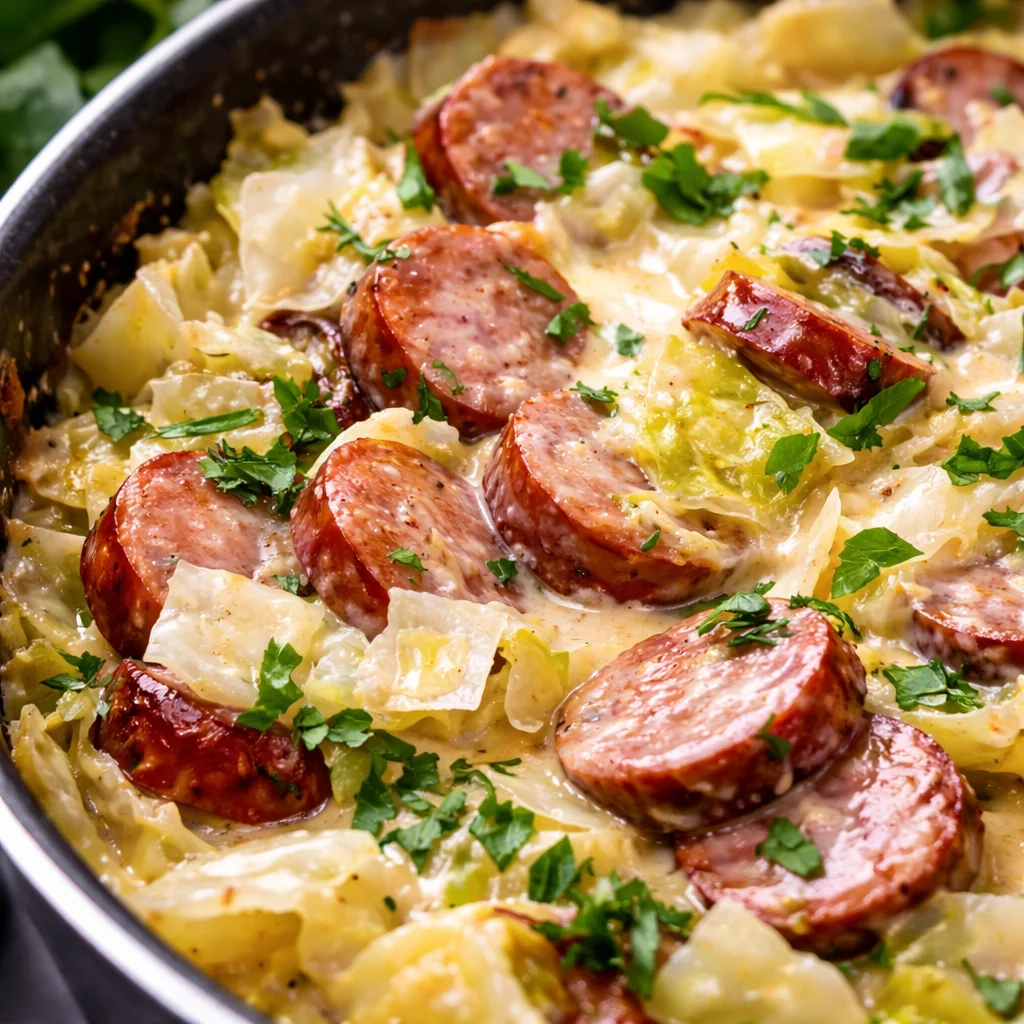
Sausage and Cabbage Stir Fry
This is the weeknight dinner that earns a permanent spot in your rotation smoked sausage, shredded cabbage, and simple seasonings all cooked together in one pan in about 20 minutes. High protein, almost no carbs, genuinely delicious. By Jordan Blake.
Cabbage Dumplings The Dish Everyone Is Talking About
Dumplings made with cabbage leaf wrappers instead of dough are one of the most exciting developments in the Cabbage Crush trend. You get that satisfying dumpling experience filled with seasoned meat, dipped in a savory sauce with none of the wheat and a fraction of the carbs.
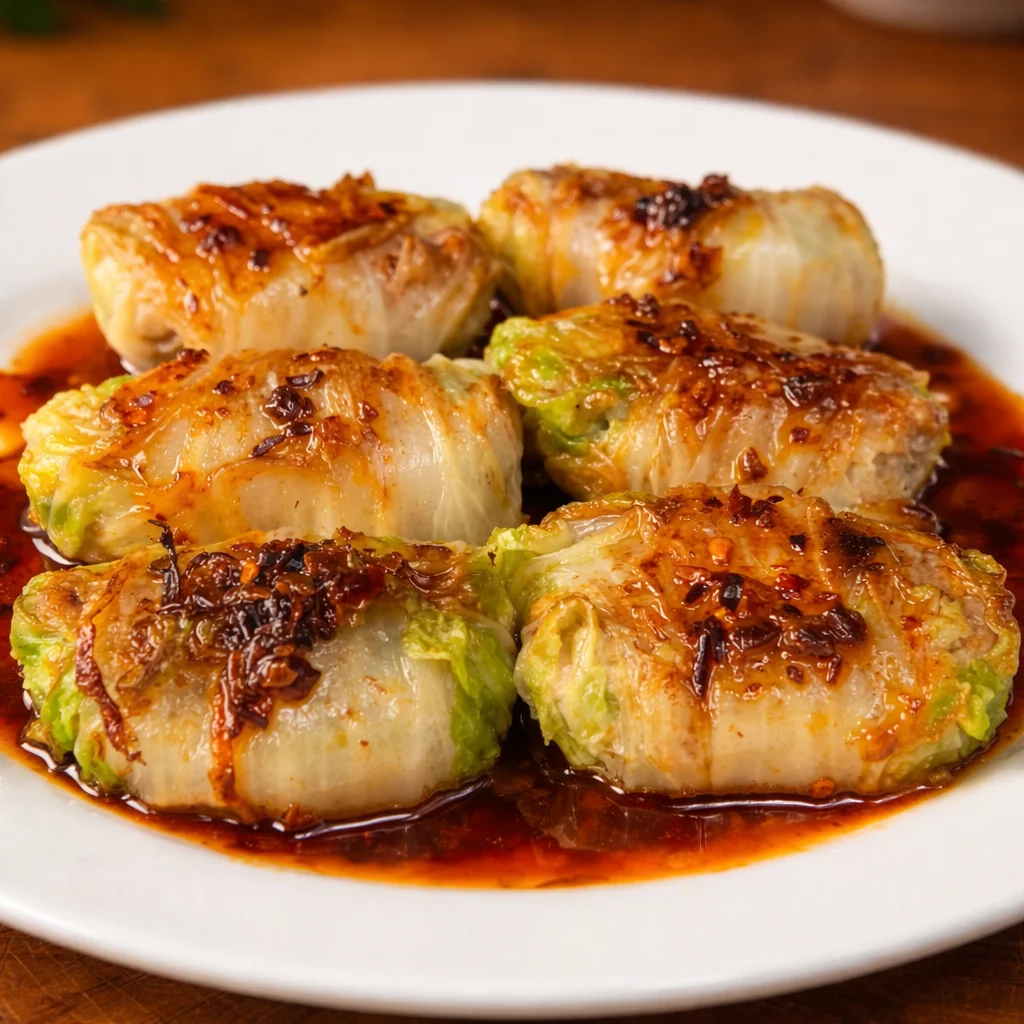
Low-Carb Cabbage Dumplings (Asian-Inspired)
Pork and ginger filling wrapped in softened cabbage leaves, pan-fried until golden on the bottom, then finished with a splash of water to steam through. Served with a soy-ginger dipping sauce. These are genuinely impressive to serve and surprisingly straightforward to make. By Maya Reynolds.
Cabbage Dumpling Recipe (Simpler Version)
If the full dumpling shaping process feels like too much for a weeknight, this version simplifies the technique while keeping all the flavors. Perfect for cabbage dumpling beginners who want to try the trend without the intimidation factor. By Maya Reynolds.
Cabbage Sides The Easiest Way to Add Cabbage to Any Meal
Not every cabbage recipe needs to be the main event. These sides are designed to complement whatever protein you’re already making and to quietly convert even the most resistant family members to the Cabbage Crush.
Low-Carb Cabbage Coleslaw (3 Delicious Ways)
Three completely different coleslaw variations classic creamy, apple cider vinegar-based, and an Asian sesame version all made with the same base of shredded cabbage. Make one batch and choose your direction based on what you’re serving alongside it. By Chloe Peterson.
How to Cook Cabbage Perfectly Every Time
The Cabbage Crush recipes above call for a few different techniques. Here’s a quick reference so you know exactly what to expect from each method.
Shredding for Noodles and Stir-Fries
Quarter the cabbage, remove the core, then slice across the grain as thinly as possible aim for ⅛ inch. A sharp chef’s knife or a mandoline both work. The thinner the shred, the faster and more evenly it cooks. For noodles, you want tender but still with a little bite about 5–7 minutes over medium-high heat with butter or oil.
Cutting Steaks and Wedges
Keep the core intact it’s what holds the steak or wedge together. Slice through the core into ¾-inch to 1-inch rounds for steaks, or cut the head into 6–8 wedges for roasting. The core softens during cooking and is perfectly edible, so don’t trim it out.
Separating Leaves for Rolling and Wrapping
The easiest method: freeze the whole head overnight, then thaw it in the fridge the next day. The leaves separate effortlessly and are already softened from the freeze-thaw process. No boiling required. If you need them same-day, cut out the core and submerge the head in boiling water for 3–4 minutes, peeling off leaves as they soften.
Roasting for Maximum Flavor
High heat is non-negotiable 425°F (220°C) minimum. Lower temperatures steam rather than roast, and you miss out on all the caramelization. Don’t crowd the pan, use enough fat, and don’t touch it for at least 15 minutes so the edges can properly brown.
Cabbage Troubleshooting Answers to the Most Common Problems
Why does my cabbage smell bad when cooking?
The sulphur compounds in cabbage (the same ones that make it healthy) release when it’s overcooked or cooked in too much water. The fix is simple: cook it fast over high heat with fat, not slow in water. A quick sauté or roast at high temperature produces almost no smell. The longer and slower you cook it in liquid, the stronger the smell gets. Keep the lid off when possible to let steam escape.
Why is my stir-fried cabbage watery?
Two reasons: pan wasn’t hot enough, or you added too much at once. Cold cabbage hitting a lukewarm pan steams instead of sears, releasing water. The fix: heat your pan until it’s genuinely hot before adding anything, and cook in batches if you’re making a large quantity. The cabbage should sizzle aggressively the moment it hits the pan.
Why did my cabbage rolls fall apart?
The leaves weren’t pliable enough before rolling. If you’re blanching rather than freezing, they need at least 3–4 minutes in boiling water and should feel limp and flexible not just warm. If the leaf tears when you try to fold it, it needs another minute. A torn leaf is fixable by overlapping two smaller leaves.
How do I stop cabbage steaks from falling apart?
Keep the core intact it’s the structural anchor of the steak. Cut straight through it rather than around it. If your steak is still crumbling, your slices are probably too thin. Go for ¾ inch to 1 inch minimum. Thinner than that and the outer leaves separate from the core during cooking.
My cabbage tastes bitter what went wrong?
Bitter cabbage usually means it was stressed before harvest (temperature fluctuations) or it’s been sitting in your fridge too long. Fresh cabbage from a farmers market or the outer leaves of a supermarket head tend to be sweetest. Roasting at high heat or caramelizing in butter masks any bitterness entirely which is one more reason high-heat cooking beats boiling.
Can I eat cabbage raw on a low-carb diet?
Absolutely and raw cabbage offers more vitamin C than cooked since heat breaks down some of it. Raw shredded cabbage works beautifully in slaws, as a wrap base, and as a crunchy topping for bowls and tacos. The texture is more assertive than cooked, which some people love and others don’t. A quick 10-minute salt-and-squeeze removes excess water and softens the texture slightly without losing the crunch.
Which Type of Cabbage Should You Buy?
Not all cabbages are the same and choosing the right variety for the right recipe makes a noticeable difference in the final result.
Green cabbage is the workhorse of the Cabbage Crush. Dense, affordable, and widely available year-round, it works for every cooking method in this guide noodles, soups, stir-fries, steaks, and rolls. If you only keep one type of cabbage in your kitchen, make it this one. Look for heads that feel heavy for their size with tightly packed leaves and no browning on the cut surfaces.
Savoy cabbage has crinkled, softer leaves that are significantly more pliable than green cabbage making it the best choice for stuffed rolls and wraps where you need the leaf to flex without tearing. The flavour is slightly more delicate and sweet. It’s usually a little more expensive than green but worth it when the recipe calls for rolling.
Napa (Chinese) cabbage is more elongated, with tender, almost translucent leaves and a very mild flavour. It cooks in half the time of green cabbage and is the traditional choice for dumplings and Asian-inspired stir-fries. At just 2g net carbs per cup, it’s even lower-carb than green cabbage.
Red cabbage is nutritionally similar to green but higher in antioxidants, particularly anthocyanins the same compounds that make blueberries blue. Its colour fades to an unappetising purple-grey when cooked with acidic ingredients, so use it raw in slaws or quick-pickled as a topping rather than in long-cooked dishes.
Storage tip: A whole uncut head of cabbage keeps in the refrigerator for up to 2 weeks. Once cut, wrap the cut surface tightly in clingfilm the exposed surface starts to oxidise within a day or two. Shredded raw cabbage keeps well in an airtight container for up to 5 days.
The Gut Health Case for Cabbage
Beyond the Pinterest trend, there’s a genuinely compelling nutritional case for making cabbage a weekly staple especially if gut health is part of your low-carb goals.
Cabbage is one of the richest dietary sources of glutamine, an amino acid that research shows directly supports the integrity of the gut lining. When the gut lining is compromised what many practitioners call “leaky gut” it allows partially digested food particles to pass into the bloodstream, triggering inflammation throughout the body. Glutamine helps repair that lining.
The fiber in cabbage feeds Bifidobacterium and Lactobacillus strains the beneficial bacteria most commonly associated with digestive health, immune function, and even mood regulation. And when cabbage is fermented into sauerkraut or kimchi, it becomes a living probiotic food that actively introduces beneficial bacteria into your gut ecosystem.
For anyone following a low-carb diet and experiencing digestive adjustments in the early weeks, adding fermented cabbage to your routine is one of the most practical things you can do. Start with a tablespoon of sauerkraut alongside meals and work up from there.
Cabbage Crush Meal Planning A Full Week of Cabbage
If you want to fully embrace the Cabbage Crush, here’s how to build a week around these recipes without repeating yourself or getting bored.
- Monday: Sausage and Cabbage Stir Fry 20-minute dinner after a long workday
- Tuesday: Creamy Cabbage Alfredo comfort food night
- Wednesday: Gut-Healing Cabbage Soup midweek reset
- Thursday: Cabbage Steaks with Garlic Butter alongside grilled protein
- Friday: Low-Carb Cabbage Dumplings treat yourself Friday
- Saturday: Slow Cooker Unstuffed Cabbage Rolls let the cooker do the work
- Sunday: Coleslaw (3 Ways) as a side for whatever you’re grilling
Frequently Asked Questions About the Cabbage Crush
What exactly is the Cabbage Crush?
Is cabbage actually low in carbs? Can I meal prep with cabbage? What’s the best type of cabbage for low-carb cooking? Is cabbage good for gut health? Why does the Cabbage Crush trend matter for low-carb eating specifically? How long does cooked cabbage keep in the fridge? Can I freeze cabbage dishes? Is the Cabbage Crush trend still relevant, or is it over?
What exactly is the Cabbage Crush?
The Cabbage Crush is Pinterest’s officially predicted #1 food trend for 2026 a wave of creative recipes that use cabbage as a low-carb substitute for pasta, rice, and dough. The trend includes cabbage alfredo, cabbage steaks, stuffed cabbage rolls, and cabbage dumplings, among others. It reflects a broader shift toward affordable, gut-friendly, whole-food eating.
Is cabbage actually low in carbs?
Yes raw cabbage has approximately 5 grams of total carbs and 2 grams of fiber per cup, making the net carb count around 3 grams. Cooked cabbage is slightly higher due to water loss concentrating the nutrients and sugars, but it remains one of the lowest-carb vegetables available and a staple in ketogenic and low-carb diets.
Can I meal prep with cabbage?
Absolutely. Raw shredded cabbage keeps well in an airtight container in the refrigerator for up to 5 days, making it ideal for weekly meal prep. Cooked cabbage dishes like soups and stews freeze beautifully. Cabbage steaks and roasted wedges reheat well in a hot oven or air fryer just avoid the microwave if you want to preserve the texture.
What’s the best type of cabbage for low-carb cooking?
Green cabbage is the most versatile and most widely used across Cabbage Crush recipes it’s affordable, widely available, and works for every cooking method. Savoy cabbage has softer, more pliable leaves that are ideal for rolling and wrapping. Red cabbage adds color and a slightly peppery flavor to slaws and stir-fries. Napa cabbage is more tender and better suited to quick-cooking applications like stir-fries and dumplings.
Is cabbage good for gut health?
Yes cabbage is one of the most gut-supportive vegetables you can eat regularly. It contains glutamine, which supports the integrity of the gut lining, and prebiotic fiber that feeds beneficial bacteria like Bifidobacterium. Fermented cabbage (sauerkraut, kimchi) adds live probiotic cultures that actively diversify your microbiome. For anyone focused on gut health alongside low-carb eating, cabbage is an ideal weekly staple.
Why does the Cabbage Crush trend matter for low-carb eating specifically?
Because one of the hardest parts of low-carb eating is finding genuinely satisfying substitutes for pasta, rice, and bread the comfort foods most people miss most. Cabbage solves this problem more effectively than many alternatives because it has a neutral flavor that takes on the taste of whatever you cook it with, a texture that holds up under sauces and heat, and a price point that makes it accessible for every household budget.
How long does cooked cabbage keep in the fridge?
Most cooked cabbage dishes keep well for 3–4 days in an airtight container in the refrigerator. Soups and stews actually improve after a day as the flavours develop make a big batch on Sunday and you’re set for the week. Cabbage stir-fries and skillets are best eaten within 2 days as the texture softens over time. Coleslaw dressed with a creamy dressing keeps for 2–3 days; vinegar-based slaw keeps for up to 5 days.
Can I freeze cabbage dishes?
Yes most cooked cabbage dishes freeze well, with a few exceptions. Soups, stews, and stuffed cabbage rolls freeze beautifully for up to 3 months. Portion them into individual servings before freezing so you can pull out exactly what you need. Cabbage alfredo and noodle dishes don’t freeze as well the cabbage becomes quite soft on reheating. For those, make only what you’ll eat in the next few days. Slow cooker unstuffed cabbage rolls are one of the best freezer meals in this entire collection.
Is the Cabbage Crush trend still relevant, or is it over?
Still very much alive. Pinterest trends typically peak about 12–18 months after the prediction, which means the Cabbage Crush is building toward its peak right now in 2026. More importantly, cabbage’s appeal isn’t trend-dependent its low cost, nutritional value, and versatility are permanent advantages that will keep it relevant long after the trend cycle moves on. Think of it the way kale has remained a kitchen staple years after its trend moment passed.
Your Cabbage Crush Journey Starts Here
If there’s one thing I’ve learned from months of developing and testing these recipes, it’s that cabbage rewards the people who commit to learning how to cook it properly. The boiled, mushy cabbage of school cafeteria memories has nothing in common with a properly caramelized cabbage steak or a silky bowl of cabbage alfredo.
Start with whatever sounds most appealing to you. If you love pasta, start with the Cabbage Alfredo. If you want something warming and healing, start with the Gut-Healing Cabbage Soup. If you want to impress someone, start with the Cabbage Steaks.
And when you make one of these recipes, I genuinely want to hear about it. Share your photos in our community, leave a comment on the recipe, or tag us on Pinterest. The Glow-Up Tribe is built on exactly these kinds of small wins the nights you made something healthy and actually loved it.
The Cabbage Crush is real. And once you join it, you won’t look back.
Chloe