Stay Connected with Low Carb Glow

Low-Carb Grilled Vegetables: How Grilling Unlocks Prebiotic Fiber for Your Gut Health
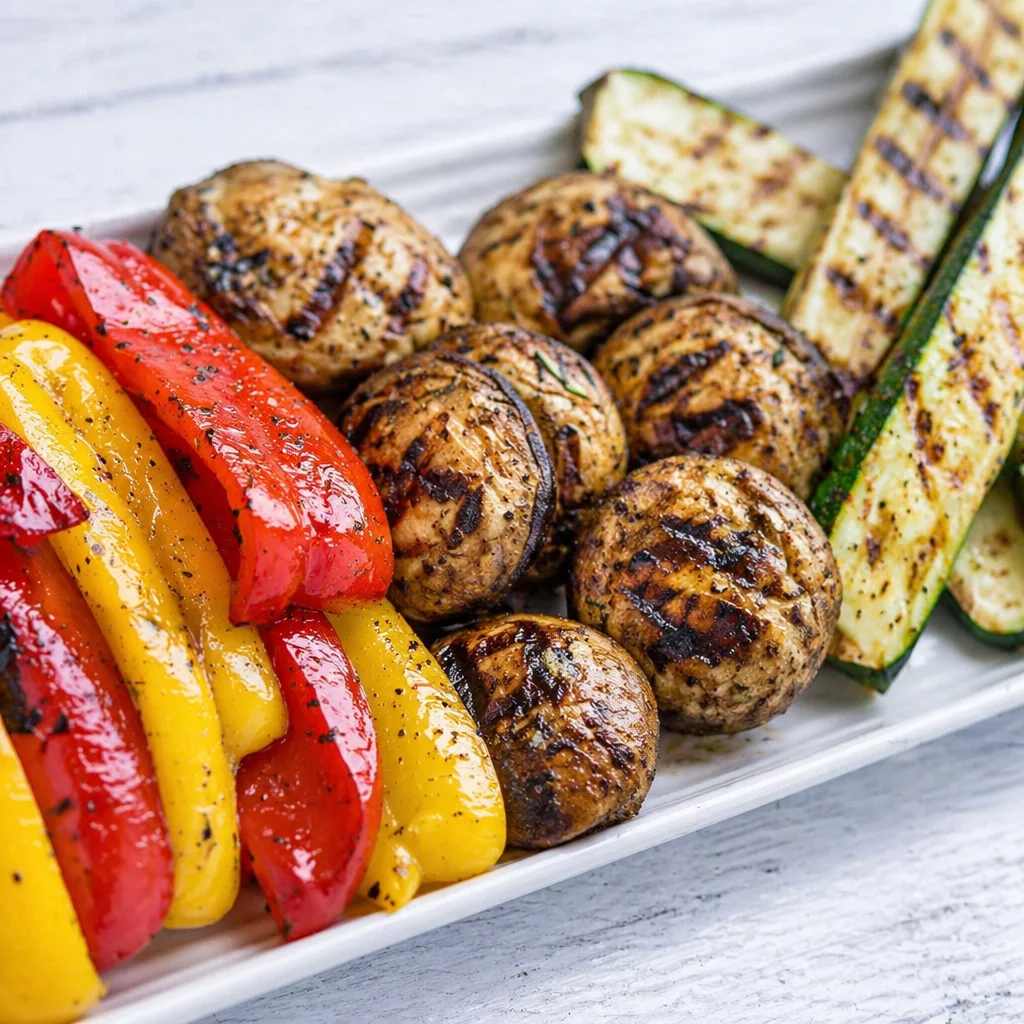
grilled vegetable low carb nights are my little reset button, especially when my stomach feels puffy and my cravings are loud. A while back, I started paying attention to gut health, and I realized I felt better when I kept things simple: protein plus a big pile of grilled veg. If you are also trying to eat lower carb without feeling like you are missing out, you are in the right place. I am not a doctor, just a home cook who notices what works, and grilling has been one of the easiest wins for me. If you want the bigger picture on keeping your meals low carb while still being kind to your digestion, I keep a handy guide here: low carb gut health guide. 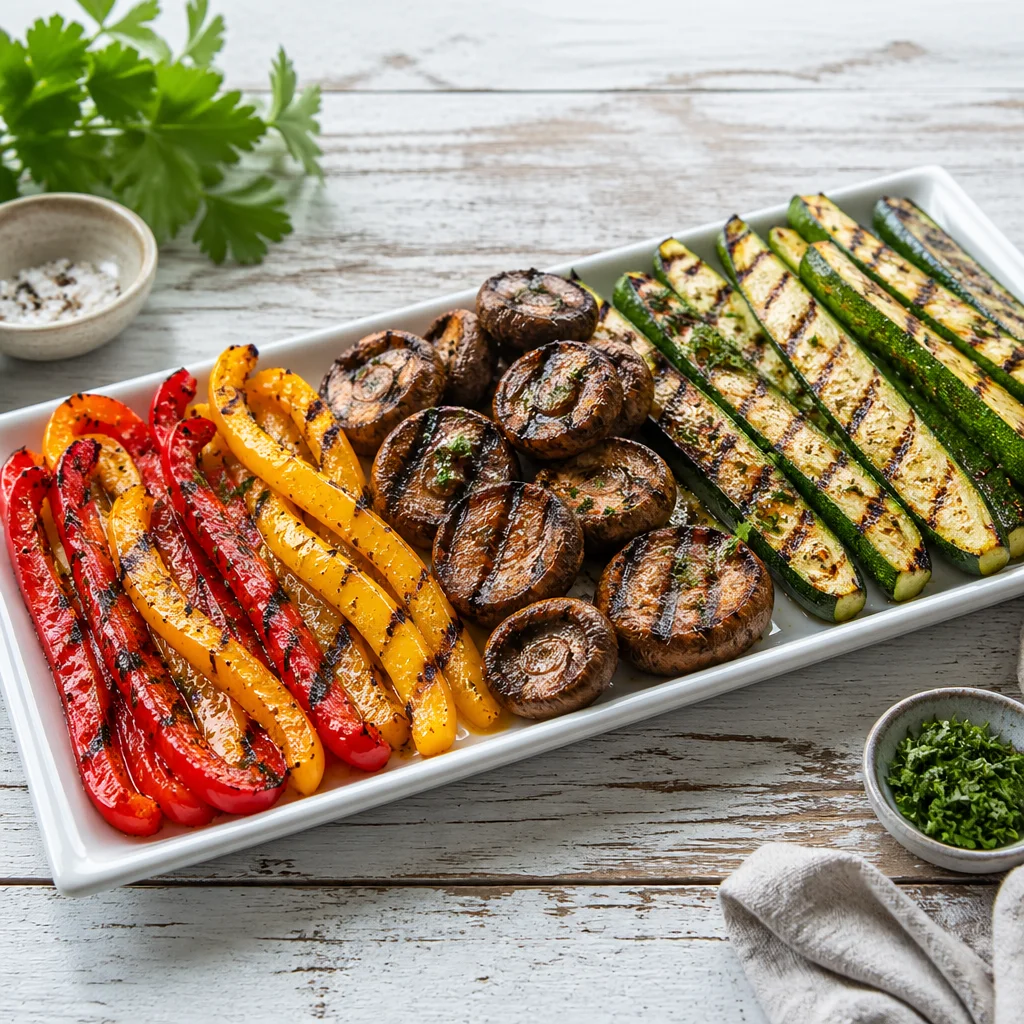
Introduction: Maya’s gut-health case for grilled vegetables
So, quick backstory: my friend Maya is the one who really pushed me to take the gut thing seriously. She is that friend who reads labels, keeps a food journal, and somehow still has time to text you photos of what she is eating. One summer, she told me she felt best when she focused on fiber that felt gentle, not heavy, and when she avoided meals that were super greasy or overly processed. Her simple suggestion was: grill your vegetables more often because they taste amazing and they tend to sit better. I tried it and honestly, I got it right away. The flavors are bigger, the texture is better, and my plate looks like I actually tried. 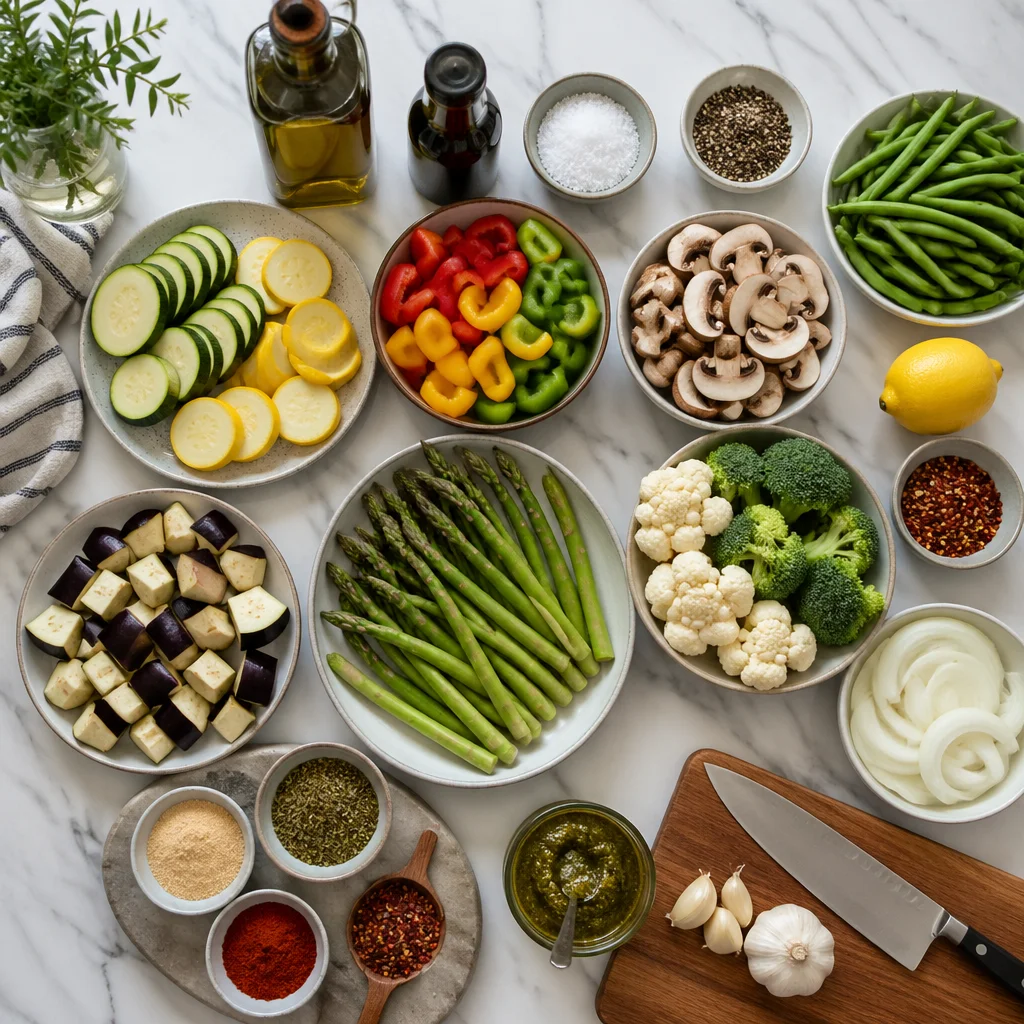
How heat breaks down cellular walls (science note)
I will keep this simple and not too science class. Vegetables are made of tiny cells with tough walls, mostly built from fiber. When you grill, the heat softens those walls and makes the insides easier to chew and digest. That does not “create” fiber, but it can make the prebiotic fiber feel more usable for your gut bacteria because it is easier to break down as you eat it.
Grilling also pulls out moisture, which concentrates flavor. That is why zucchini tastes more like zucchini, and peppers get sweeter. You also get those browned edges from the heat, and that extra roasty flavor makes it easier to eat a larger portion of veggies without feeling like you are forcing it.
One important note: if you burn vegetables until they are bitter and black, that is not the goal. I aim for char marks and caramelized edges, not a full scorched situation. Think: golden brown, tender, still a little bite. 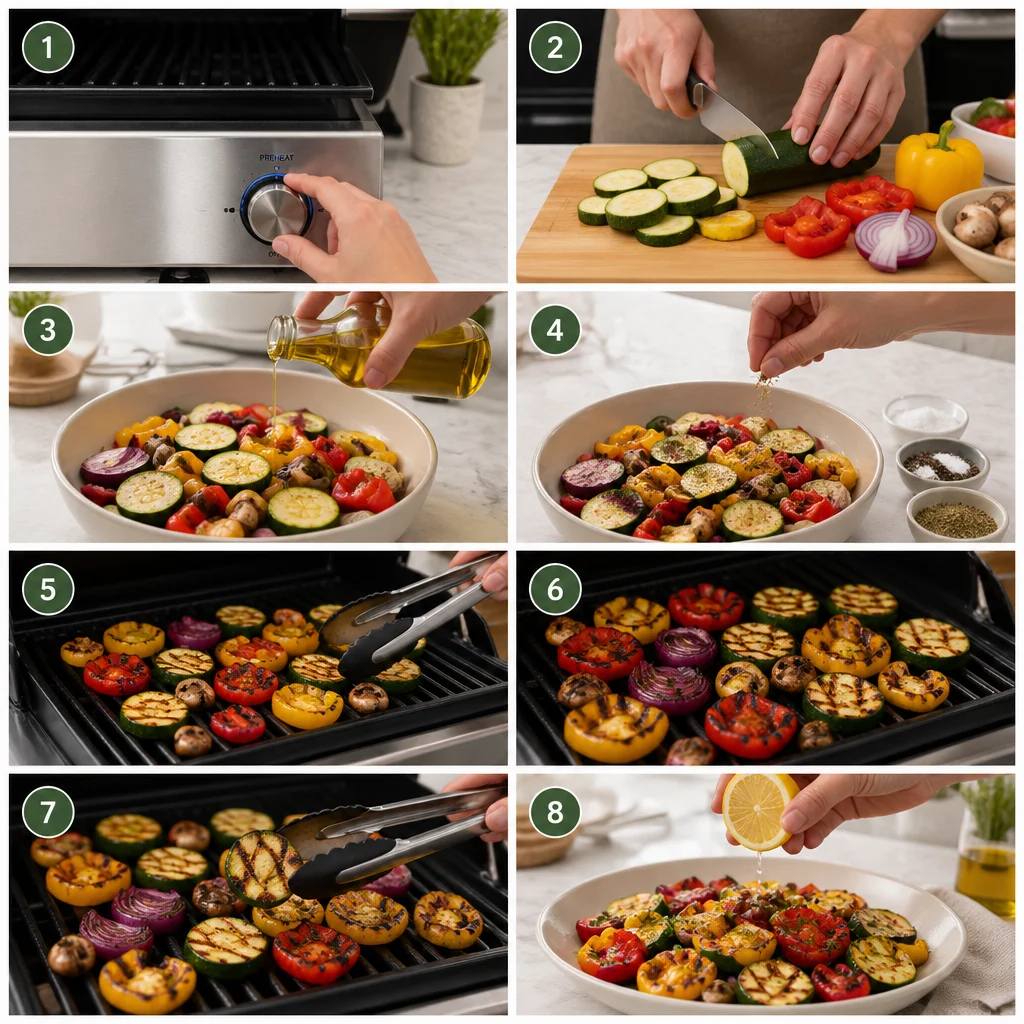
Top 10 low-carb vegetables for grilling (net carb table)
If you are building a grilled vegetable low carb plate, these are my go to picks. They grill well, they do not fall apart instantly, and they keep carbs reasonable. Net carbs can vary by brand and size, so treat this as a practical guide, not a perfect math test.
My top 10 grilling veggies:
- Zucchini
- Yellow squash
- Bell peppers
- Mushrooms
- Asparagus
- Eggplant
- Broccoli (steaks or big florets in a grill basket)
- Cauliflower (steaks)
- Green beans (basket helps)
- Onions (yes, a little higher, but manageable)
Quick net carb cheat sheet (approx per 1 cup raw):
Zucchini: 3g net
Yellow squash: 3g net
Bell pepper: 6g net
Mushrooms: 2g net
Asparagus: 2g net
Eggplant: 5g net
Broccoli: 4g net
Cauliflower: 3g net
Green beans: 4g net
Onion: 10g net (use as flavor booster, not the whole base)
When I am short on time, I do a mixed tray and call it a day. If you like this kind of practical mix and match approach, you would probably enjoy my meal prep style posts too, like 5 ingredient meal prep low carb.
Seasoning and marinade guide
Here is the thing with grilled vegetables: you do not need a complicated marinade. You need enough oil so things do not stick, enough salt so they taste like something, and a flavor direction.
My no stress grilled veggie marinade
This is what I use most weeks:
Basic mix: olive oil, salt, black pepper, garlic powder, and a squeeze of lemon after grilling.
Optional boosters: smoked paprika, dried oregano, chili flakes, or a spoon of pesto.
If you are doing mushrooms, I add a splash of soy sauce or coconut aminos for that savory vibe. If you are doing eggplant, I salt it lightly first, wait 10 minutes, blot, then oil it. Eggplant acts like a sponge, so it needs a little plan.
One more tip: do not drown the vegetables. Too much liquid means steaming and soggy texture. I want that lightly coated shine, not a pool at the bottom of the bowl.
Also, if you are planning a whole low carb dinner night, I like pairing grilled veg with something from my gut-friendly low-carb recipes collection, because the combos are easy on the stomach but still filling.
Grilling times and temperatures per vegetable
I grill on medium to medium high heat most of the time. If your grill has a thermometer, think roughly 400 to 450 F. You want a hot grill so you get browning before the vegetable turns mushy.
Quick timing guide (medium to medium high)
Zucchini and yellow squash: 3 to 4 minutes per side, cut into planks or thick rounds.
Bell peppers: 4 to 6 minutes total, skin can blister a bit, then slice.
Mushrooms: 6 to 8 minutes total, flip once, keep them whole if possible.
Asparagus: 6 to 8 minutes total, roll them around once or twice.
Eggplant: 4 to 6 minutes per side, thicker slices hold up best.
Broccoli: 8 to 10 minutes in a basket, or 4 to 5 minutes per side for big flat pieces.
Cauliflower steaks: 5 to 7 minutes per side, lid closed helps.
Green beans: 8 to 10 minutes in a basket, toss halfway.
Onions: 8 to 12 minutes total for thick rings, they should soften and sweeten.
If you are new to grilling, the best habit is to set a timer and check early. You can always grill longer. You cannot un-burn it.
And if grilling is not an option on a random Tuesday, an air fryer veggie backup is honestly a lifesaver. I do something similar with this air fryer low carb veggie medley when I want that roasted feel without going outside.
Char vs steam: which cooking method wins for prebiotics
I like steaming for certain things, like broccoli when I am in a hurry. But for flavor and that satisfying bite, grilling wins in my kitchen.
For prebiotic fiber, both methods can still keep fiber in your meal, but they feel different. Steamed veggies are softer and sometimes easier for people with sensitive digestion, but they can be bland unless you really season them. Grilled veggies are more tempting to eat in bigger servings because the taste is deeper, and that alone can help you get more fiber overall.
My personal sweet spot is a mix: grill most of the vegetables, but do a quick steam for anything that dries out too fast, then toss it all together with olive oil and salt. That way you get the best of both worlds and dinner still tastes like a treat.
Just keep the char reasonable. A little browning is great. Heavy blackening can taste bitter and is not what we are aiming for in a regular routine.
When I stay consistent with a grilled vegetable low carb dinner pattern a few nights a week, my cravings calm down and my meals feel less snacky. That is the real win for me.
Serving as a side or base
This is where grilled vegetables go from “side dish” to “main character.” I use them as a base all the time, especially when I want dinner to feel big without adding a ton of carbs.
My favorite ways to serve grilled veggies
- As a bowl base: pile grilled zucchini, peppers, and mushrooms in a bowl, add chicken or steak, drizzle with olive oil and lemon.
- As a salad upgrade: let veggies cool, then toss with arugula, feta, and a simple vinaigrette.
- As a wrap filler: stuff into lettuce wraps with protein and a creamy sauce.
- As a breakfast side: reheat and serve next to eggs, it is weirdly perfect.
- As a snack plate: grilled peppers and eggplant with a yogurt dip or a little cheese.
If you want a cozy dinner idea that uses zucchini like a pasta stand in, I make this one on repeat: beef stroganoff with zucchini low carb. Grilled zucchini on the side with that is a full comfort meal, no food coma.
FAQ: What vegetables are low carb for grilling? Are grilled onions keto?
Common questions I get in my DMs
Q: What vegetables are low carb for grilling?
A: Zucchini, mushrooms, asparagus, cauliflower, broccoli, and peppers are the easiest place to start. They taste great grilled and do not need fancy prep.
Q: Are grilled onions keto?
A: In smaller portions, yes. Onions have more carbs than zucchini or mushrooms, so I use them as a flavor accent. A few rings mixed into a grilled veggie platter usually fits fine for most people.
Q: Do I need to peel anything first?
A: Usually no. I do not peel zucchini or squash. For eggplant, I keep the skin on because it helps it hold shape.
Q: Why do my vegetables stick to the grill?
A: Two common reasons: the grill is not hot enough, or you did not use enough oil. Preheat well, oil the veg lightly, and do not try to flip too early.
Q: Can I make grilled vegetables ahead of time?
A: Totally. Grill them, cool them, store in the fridge, and reheat in a skillet or air fryer. They are best in the first 3 days.
For me, grilled vegetable low carb meals are the easiest way to stay consistent without feeling bored. It is flexible, forgiving, and it makes the whole kitchen smell like summer.
Ready to fire up the grill tonight?
If you take anything from this post, let it be this: keep the veggies low carb, season them boldly, and grill them hot enough to get those tasty browned edges. That simple routine makes it easier to eat more fiber, which is exactly what your gut bugs want. If you want more ideas, I also like browsing recipes like Keto Grilled Veggies – Keto Cooking Wins and Low Carb Grilled Vegetables – Step Away From The Carbs when I need a new twist. Try it once this week, keep notes on what you love, and you will have a grilled veggie routine that actually sticks. And if you end up making a big platter, do yourself a favor and save some for breakfast, it is the best kind of leftover.
Grilled Vegetable Low Carb Dinner

A simple and flavorful low carb meal featuring a variety of grilled vegetables that are easy on the gut.
Ingredients
Vegetables
- 2 cups Zucchini, sliced
- 2 cups Yellow squash, sliced
- 2 cups Bell peppers, sliced
- 1 cup Mushrooms, whole
- 1 cup Asparagus, trimmed
- 1 cup Eggplant, sliced Salt lightly before grilling
- 2 cups Broccoli, cut into steaks or large florets
- 1 cup Cauliflower, cut into steaks
- 2 cups Green beans Use a basket for grilling
- 1 cup Onions, cut into thick rings Use as a flavor booster
Marinade
- 1/4 cup Olive oil For coating veggies
- 1 teaspoon Salt To taste
- 1 teaspoon Black pepper To taste
- 1 teaspoon Garlic powder
- 1 squeeze Lemon juice Added after grilling
- optional Smoked paprika, dried oregano, chili flakes, or pesto For added flavor
Instructions
Preparation
- Preheat your grill to medium to medium-high heat (400 to 450°F).
- Prepare the vegetables by washing and slicing them as indicated.
- In a bowl, combine the olive oil, salt, black pepper, garlic powder, and optional seasonings.
- Toss the vegetables in the marinade ensuring they are lightly coated.
Grilling
- Place zucchini and yellow squash on the grill and cook for 3-4 minutes per side.
- Grill bell peppers for 4-6 minutes total, turning occasionally.
- Grill mushrooms for 6-8 minutes total, flipping once.
- Grill asparagus for 6-8 minutes, rolling occasionally.
- Grill eggplant for 4-6 minutes per side.
- Grill broccoli for 8-10 minutes in a basket or 4-5 minutes per side.
- Grill cauliflower steaks for 5-7 minutes per side.
- Grill green beans in a basket for 8-10 minutes, tossing halfway.
- Grill onions for 8-12 minutes total.
Serving
- Serve the grilled vegetables as a side or over a base of your choice.
- Drizzle with lemon juice before serving for added flavor.
Notes
Store leftover grilled vegetables in the fridge for up to 3 days. Reheat in a skillet or air fryer. Pair with protein for a complete meal.